Flamingos begin arriving at KKL-JNF’s Hula Lake as autumn migration nears
The first flamingos of the season have landed at KKL-JNF’s Hula Lake, an early sign of the autumn bird migration to come.
The Jewish World
2
mins read time
Originally published at
The Jewish World

First flamingos of the season at the KKL-JNF Hula Lake. Photo credit: Inbar Shlomit Rubin, KKL-JNF Hula Lake Park.
It may still be the height of summer in Israel, but the first signs of autumn migration have already arrived at the Keren Kayemeth LeIsrael–Jewish National Fund (KKL-JNF) Hula Lake (Agmon Hula).
Recently, the first eight flamingos of the season landed at the site, offering an early glimpse of the migration season, with much larger flocks expected in the weeks ahead.
The flamingos are only the beginning. Shorebirds and songbirds are the first migratory species to arrive each year, and visitors can already spot the season’s first shanks, ruffs, and godwits, alongside grey herons and spoonbills taking advantage of the lake’s abundant food supply.
Their arrival is not driven by cooler temperatures, but by daylight. As the days begin to shorten, migratory birds receive the natural signal to complete their nesting season, prepare their young, build up their energy reserves, and begin their migration journey.
“We are now in a fascinating season,” said Inbar Shlomit Rubin, field manager at KKL-JNF’s Hula Lake Park. “On the one hand, the last of the nesting birds are still caring for their young. On the other, every morning brings a new surprise as we discover which species arrived at the lake overnight. It is always exciting to watch the lake fill with life, especially as during August, the first storks will begin passing through the Hula Lake on their migration.”
In addition to the migrating birds, Plain Tiger butterflies, which also migrate seasonally, have begun appearing around the lake, adding bright splashes of color to the landscape.
As autumn migration nears, steadily increasing numbers of birds are expected to pass through Hula Lake in the coming weeks, reinforcing its role as one of Israel’s most important wildlife sites. Hula Lake is a key stopover site along the global bird migration route. It provides migratory birds with a critical place to rest and replenish their energy thanks to its rich food resources and safe environment.
Originally published at
The Jewish World
ADVERTISEMENT
Flamingos begin arriving at KKL-JNF’s Hula Lake as autumn migration nears
The first flamingos of the season have landed at KKL-JNF’s Hula Lake, an early sign of the autumn bird migration to come.
The Jewish World
2
mins read time
Originally published at
The Jewish World
First flamingos of the season at the KKL-JNF Hula Lake. Photo credit: Inbar Shlomit Rubin, KKL-JNF Hula Lake Park.
It may still be the height of summer in Israel, but the first signs of autumn migration have already arrived at the Keren Kayemeth LeIsrael–Jewish National Fund (KKL-JNF) Hula Lake (Agmon Hula).
Recently, the first eight flamingos of the season landed at the site, offering an early glimpse of the migration season, with much larger flocks expected in the weeks ahead.
The flamingos are only the beginning. Shorebirds and songbirds are the first migratory species to arrive each year, and visitors can already spot the season’s first shanks, ruffs, and godwits, alongside grey herons and spoonbills taking advantage of the lake’s abundant food supply.
Their arrival is not driven by cooler temperatures, but by daylight. As the days begin to shorten, migratory birds receive the natural signal to complete their nesting season, prepare their young, build up their energy reserves, and begin their migration journey.
“We are now in a fascinating season,” said Inbar Shlomit Rubin, field manager at KKL-JNF’s Hula Lake Park. “On the one hand, the last of the nesting birds are still caring for their young. On the other, every morning brings a new surprise as we discover which species arrived at the lake overnight. It is always exciting to watch the lake fill with life, especially as during August, the first storks will begin passing through the Hula Lake on their migration.”
In addition to the migrating birds, Plain Tiger butterflies, which also migrate seasonally, have begun appearing around the lake, adding bright splashes of color to the landscape.
As autumn migration nears, steadily increasing numbers of birds are expected to pass through Hula Lake in the coming weeks, reinforcing its role as one of Israel’s most important wildlife sites. Hula Lake is a key stopover site along the global bird migration route. It provides migratory birds with a critical place to rest and replenish their energy thanks to its rich food resources and safe environment.
Originally published at
The Jewish World
ADVERTISEMENT
Flamingos begin arriving at KKL-JNF’s Hula Lake as autumn migration nears
The first flamingos of the season have landed at KKL-JNF’s Hula Lake, an early sign of the autumn bird migration to come.
The Jewish World
2
mins read time
Originally published at
The Jewish World
First flamingos of the season at the KKL-JNF Hula Lake. Photo credit: Inbar Shlomit Rubin, KKL-JNF Hula Lake Park.
It may still be the height of summer in Israel, but the first signs of autumn migration have already arrived at the Keren Kayemeth LeIsrael–Jewish National Fund (KKL-JNF) Hula Lake (Agmon Hula).
Recently, the first eight flamingos of the season landed at the site, offering an early glimpse of the migration season, with much larger flocks expected in the weeks ahead.
The flamingos are only the beginning. Shorebirds and songbirds are the first migratory species to arrive each year, and visitors can already spot the season’s first shanks, ruffs, and godwits, alongside grey herons and spoonbills taking advantage of the lake’s abundant food supply.
Their arrival is not driven by cooler temperatures, but by daylight. As the days begin to shorten, migratory birds receive the natural signal to complete their nesting season, prepare their young, build up their energy reserves, and begin their migration journey.
“We are now in a fascinating season,” said Inbar Shlomit Rubin, field manager at KKL-JNF’s Hula Lake Park. “On the one hand, the last of the nesting birds are still caring for their young. On the other, every morning brings a new surprise as we discover which species arrived at the lake overnight. It is always exciting to watch the lake fill with life, especially as during August, the first storks will begin passing through the Hula Lake on their migration.”
In addition to the migrating birds, Plain Tiger butterflies, which also migrate seasonally, have begun appearing around the lake, adding bright splashes of color to the landscape.
As autumn migration nears, steadily increasing numbers of birds are expected to pass through Hula Lake in the coming weeks, reinforcing its role as one of Israel’s most important wildlife sites. Hula Lake is a key stopover site along the global bird migration route. It provides migratory birds with a critical place to rest and replenish their energy thanks to its rich food resources and safe environment.
Originally published at
The Jewish World
ADVERTISEMENT
Flamingos begin arriving at KKL-JNF’s Hula Lake as autumn migration nears
The first flamingos of the season have landed at KKL-JNF’s Hula Lake, an early sign of the autumn bird migration to come.
The Jewish World
2
mins read time
Originally published at
The Jewish World
First flamingos of the season at the KKL-JNF Hula Lake. Photo credit: Inbar Shlomit Rubin, KKL-JNF Hula Lake Park.
It may still be the height of summer in Israel, but the first signs of autumn migration have already arrived at the Keren Kayemeth LeIsrael–Jewish National Fund (KKL-JNF) Hula Lake (Agmon Hula).
Recently, the first eight flamingos of the season landed at the site, offering an early glimpse of the migration season, with much larger flocks expected in the weeks ahead.
The flamingos are only the beginning. Shorebirds and songbirds are the first migratory species to arrive each year, and visitors can already spot the season’s first shanks, ruffs, and godwits, alongside grey herons and spoonbills taking advantage of the lake’s abundant food supply.
Their arrival is not driven by cooler temperatures, but by daylight. As the days begin to shorten, migratory birds receive the natural signal to complete their nesting season, prepare their young, build up their energy reserves, and begin their migration journey.
“We are now in a fascinating season,” said Inbar Shlomit Rubin, field manager at KKL-JNF’s Hula Lake Park. “On the one hand, the last of the nesting birds are still caring for their young. On the other, every morning brings a new surprise as we discover which species arrived at the lake overnight. It is always exciting to watch the lake fill with life, especially as during August, the first storks will begin passing through the Hula Lake on their migration.”
In addition to the migrating birds, Plain Tiger butterflies, which also migrate seasonally, have begun appearing around the lake, adding bright splashes of color to the landscape.
As autumn migration nears, steadily increasing numbers of birds are expected to pass through Hula Lake in the coming weeks, reinforcing its role as one of Israel’s most important wildlife sites. Hula Lake is a key stopover site along the global bird migration route. It provides migratory birds with a critical place to rest and replenish their energy thanks to its rich food resources and safe environment.
Originally published at
The Jewish World
ADVERTISEMENT
Related News
World
Israel & Middle East
Our brethren, the Samaritans of Israel, prepare for Yom Kippur and Sukkot
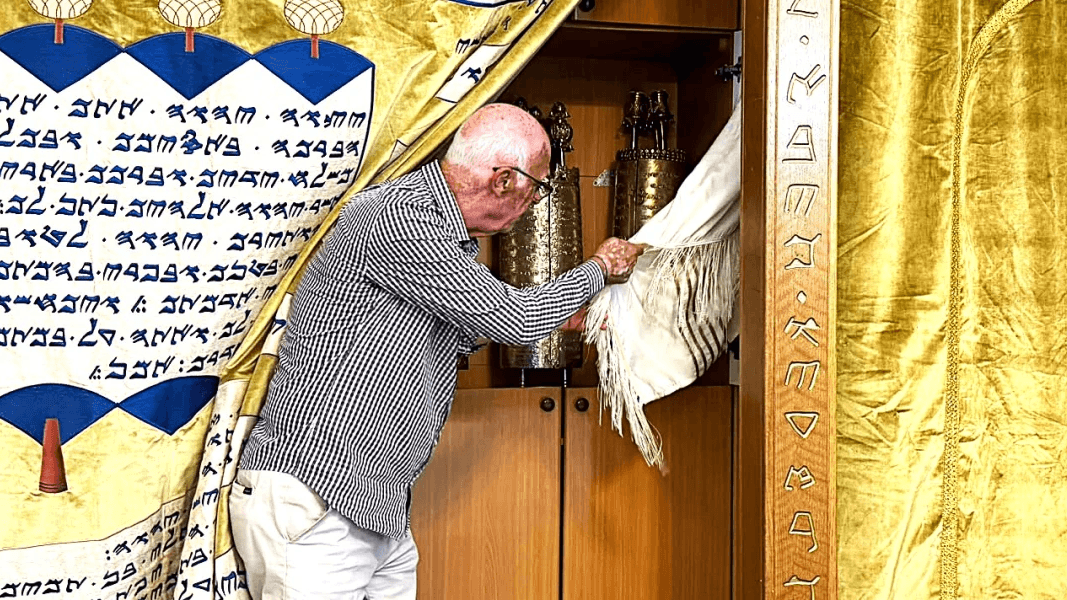
Samaritans observe Yom Kippur on Oct. 20 and Sukkot on Oct. 25, about a month after the Jewish dates, and build their sukkot indoors.
Tania Shalom Michaelian
October 1, 2026

World
Israel & Middle East
Israel’s President’s Residence opens sukkah to public
Herzog and his wife welcomed visitors to the annual Open Sukkah, themed around Israeli culture and sport.
Sharon Altshul
October 1, 2026

World
Israel & Middle East
Full text: Netanyahu’s address at the U.N. General Assembly 2026
Read Prime Minister Benjamin Netanyahu’s complete remarks to world leaders in New York, from Iran and Oct. 7 to the fight against antisemitism.
JNS
September 28, 2026
World
Israel & Middle East
Our brethren, the Samaritans of Israel, prepare for Yom Kippur and Sukkot
Samaritans observe Yom Kippur on Oct. 20 and Sukkot on Oct. 25, about a month after the Jewish dates, and build their sukkot indoors.
Tania Shalom Michaelian
October 1, 2026
World
Israel & Middle East
Israel’s President’s Residence opens sukkah to public
Herzog and his wife welcomed visitors to the annual Open Sukkah, themed around Israeli culture and sport.
Sharon Altshul
October 1, 2026
World
Israel & Middle East
Full text: Netanyahu’s address at the U.N. General Assembly 2026
Read Prime Minister Benjamin Netanyahu’s complete remarks to world leaders in New York, from Iran and Oct. 7 to the fight against antisemitism.
JNS
September 28, 2026

World
Israel & Middle East
Photos give glimpse of how Israelis celebrated Sukkot more than 60 years ago
Four rare KKL-JNF archive photos show how Israelis celebrated Sukkot decades ago, from a Jerusalem sukkah to a festive outdoor gathering.
The Jewish World
September 24, 2026

© 2026 The Jewish World · Since 1965 - The Capital Region's gateway to Jewish life
Designed and Developed by Ta-Da Studios
© 2026 The Jewish World · Since 1965 - The Capital Region's gateway to Jewish life
Designed and Developed by Ta-Da Studios
© 2026 The Jewish World · Since 1965 - The Capital Region's gateway to Jewish life
Designed and Developed by Ta-Da Studios
© 2026 The Jewish World · Since 1965 - The Capital Region's gateway to Jewish life
Designed and Developed by Ta-Da Studios