Lithuania tells JNS it’ll ‘respect’ Jewish burial site where commercial development was planned
Lithuania’s government says it is weighing a memorial at the former Vilnius Jewish cemetery site rather than allowing commercial development.
Mike Wagenheim
3
mins read time
Originally published at
JNS
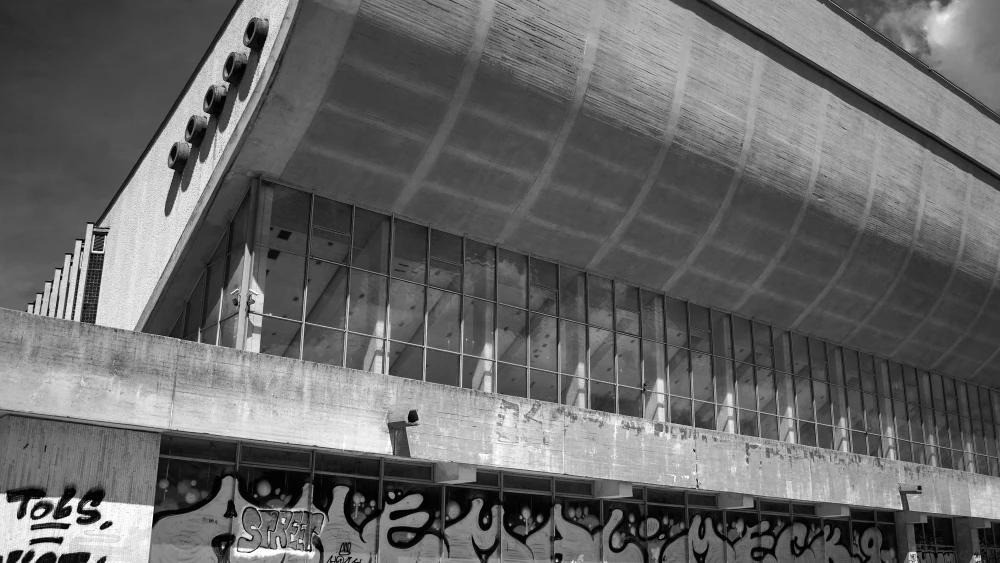
The abandoned Palace of Concerts and Sports in Vilnius, Lithuania, was built on a Jewish cemetery site in the 1970s. Photo courtesy of Brian Toward via Creative Commons.
The Lithuanian government told JNS exclusively that it will respect a historic Jewish burial site in Vilnius and, instead of allowing it to be developed commercially, as some of its legislators have sought, it is weighing creating a memorial there.
Already desecrated
“The government of Lithuania respects the historical memory of the country’s peoples and does not envisage any activities on the site of the former Jewish cemetery in Šnipiškės that would be incompatible with the historical significance of this place and respect for the Jewish community,” the government’s communications office told JNS.
“Lithuanian authorities and all interested parties are currently considering how the former Sports Palace might be transformed into a memorial of significance to the Jewish, Lithuanian and other nations of Lithuania,” the government told JNS.
The Šnipiškės Jewish cemetery was used to bury the capital city’s Jews until 1831. The site was considered sacred until Soviet-era desecration of headstones. The “sports palace,” an arena, was built on the site in the 1970s and remains there, though it was abandoned in 2004.
Thousands of Jewish graves are believed to be intact below ground. Elijah ben Solomon Zalma, known as the Vilan gaon, or genius, the 18th-century rabbi most associated with the city, was buried at Šnipiškės, but his remains and those of others were moved to a new cemetery.
“Struggle against Soviets”
The Lithuanian government told JNS that the Soviet-era arena “between 1988 and 1991 became an important symbol of the struggle of all the peoples of Lithuania for liberation from the Soviet Union.”
Agreements had previously been reached to avoid further development and to reserve the Šnipiškės site exclusively for commemoration, historical education and reflection.
Under pressure from the Trump administration, the Lithuanian government appears to be backtracking on plans to build a conference venue and concert hall over the remnants of the Jewish cemetery. Those plans are “dead,” a U.S. diplomatic source told JNS.
ADVERTISEMENT
U.S. makes demands
In August, Yehuda Kaploun, a rabbi and U.S. special envoy to monitor and combat anti-Semitism at the State Department, sent a letter to Lukas Alsys, Lithuania’s culture minister, warning Vilnius not to proceed with the plans to redevelop the site of the former arena.
“Cemeteries are a sacred ground for all of mankind,” Kaploun wrote in the letter. “No self-respecting government, institution or even community organization which claims to represent the needs of Jewish citizens can allow for their desecration.” (JNS sought comment from Kaploun and multiple Lithuanian Jewish groups.)
“Any attempt to further desecrate this cemetery is shameful for the government of Lithuania and will be met with opposition,” Kaploun wrote to the Lithuanian official. “The blood of an entire people demands nothing less.”
The U.S. special envoy warned in the letter that the Lithuanian Parliament’s initial approval of a resolution, which the anti-Semitic, right-wing National Alliance party pushed and which would reopen consideration of the arena site for new development, risks “legitimizing the ongoing and shameful attempts by members of the Seimas to further desecrate it.”
The Seimas is Lithuania’s legislative body.
Kaploun wrote that the conference center project “would send a clear signal to Jews around the world that not only can cemeteries be desecrated in Lithuania but that the rich, 600-year history of the Jews in this country before the Nazi regime is meaningless.”
Originally published at: https://www.jns.org/news/u-s-news/scoop-lithuania-tells-jns-itll-respect-jewish-burial-site-where-commercial-development-was-planned
Originally published at
JNS
ADVERTISEMENT
Lithuania tells JNS it’ll ‘respect’ Jewish burial site where commercial development was planned
Lithuania’s government says it is weighing a memorial at the former Vilnius Jewish cemetery site rather than allowing commercial development.
Mike Wagenheim
3
mins read time
Originally published at
JNS
The abandoned Palace of Concerts and Sports in Vilnius, Lithuania, was built on a Jewish cemetery site in the 1970s. Photo courtesy of Brian Toward via Creative Commons.
The Lithuanian government told JNS exclusively that it will respect a historic Jewish burial site in Vilnius and, instead of allowing it to be developed commercially, as some of its legislators have sought, it is weighing creating a memorial there.
Already desecrated
“The government of Lithuania respects the historical memory of the country’s peoples and does not envisage any activities on the site of the former Jewish cemetery in Šnipiškės that would be incompatible with the historical significance of this place and respect for the Jewish community,” the government’s communications office told JNS.
“Lithuanian authorities and all interested parties are currently considering how the former Sports Palace might be transformed into a memorial of significance to the Jewish, Lithuanian and other nations of Lithuania,” the government told JNS.
The Šnipiškės Jewish cemetery was used to bury the capital city’s Jews until 1831. The site was considered sacred until Soviet-era desecration of headstones. The “sports palace,” an arena, was built on the site in the 1970s and remains there, though it was abandoned in 2004.
Thousands of Jewish graves are believed to be intact below ground. Elijah ben Solomon Zalma, known as the Vilan gaon, or genius, the 18th-century rabbi most associated with the city, was buried at Šnipiškės, but his remains and those of others were moved to a new cemetery.
“Struggle against Soviets”
The Lithuanian government told JNS that the Soviet-era arena “between 1988 and 1991 became an important symbol of the struggle of all the peoples of Lithuania for liberation from the Soviet Union.”
Agreements had previously been reached to avoid further development and to reserve the Šnipiškės site exclusively for commemoration, historical education and reflection.
Under pressure from the Trump administration, the Lithuanian government appears to be backtracking on plans to build a conference venue and concert hall over the remnants of the Jewish cemetery. Those plans are “dead,” a U.S. diplomatic source told JNS.
ADVERTISEMENT
U.S. makes demands
In August, Yehuda Kaploun, a rabbi and U.S. special envoy to monitor and combat anti-Semitism at the State Department, sent a letter to Lukas Alsys, Lithuania’s culture minister, warning Vilnius not to proceed with the plans to redevelop the site of the former arena.
“Cemeteries are a sacred ground for all of mankind,” Kaploun wrote in the letter. “No self-respecting government, institution or even community organization which claims to represent the needs of Jewish citizens can allow for their desecration.” (JNS sought comment from Kaploun and multiple Lithuanian Jewish groups.)
“Any attempt to further desecrate this cemetery is shameful for the government of Lithuania and will be met with opposition,” Kaploun wrote to the Lithuanian official. “The blood of an entire people demands nothing less.”
The U.S. special envoy warned in the letter that the Lithuanian Parliament’s initial approval of a resolution, which the anti-Semitic, right-wing National Alliance party pushed and which would reopen consideration of the arena site for new development, risks “legitimizing the ongoing and shameful attempts by members of the Seimas to further desecrate it.”
The Seimas is Lithuania’s legislative body.
Kaploun wrote that the conference center project “would send a clear signal to Jews around the world that not only can cemeteries be desecrated in Lithuania but that the rich, 600-year history of the Jews in this country before the Nazi regime is meaningless.”
Originally published at: https://www.jns.org/news/u-s-news/scoop-lithuania-tells-jns-itll-respect-jewish-burial-site-where-commercial-development-was-planned
Originally published at
JNS
ADVERTISEMENT
Lithuania tells JNS it’ll ‘respect’ Jewish burial site where commercial development was planned
Lithuania’s government says it is weighing a memorial at the former Vilnius Jewish cemetery site rather than allowing commercial development.
Mike Wagenheim
3
mins read time
Originally published at
JNS
The abandoned Palace of Concerts and Sports in Vilnius, Lithuania, was built on a Jewish cemetery site in the 1970s. Photo courtesy of Brian Toward via Creative Commons.
The Lithuanian government told JNS exclusively that it will respect a historic Jewish burial site in Vilnius and, instead of allowing it to be developed commercially, as some of its legislators have sought, it is weighing creating a memorial there.
Already desecrated
“The government of Lithuania respects the historical memory of the country’s peoples and does not envisage any activities on the site of the former Jewish cemetery in Šnipiškės that would be incompatible with the historical significance of this place and respect for the Jewish community,” the government’s communications office told JNS.
“Lithuanian authorities and all interested parties are currently considering how the former Sports Palace might be transformed into a memorial of significance to the Jewish, Lithuanian and other nations of Lithuania,” the government told JNS.
The Šnipiškės Jewish cemetery was used to bury the capital city’s Jews until 1831. The site was considered sacred until Soviet-era desecration of headstones. The “sports palace,” an arena, was built on the site in the 1970s and remains there, though it was abandoned in 2004.
Thousands of Jewish graves are believed to be intact below ground. Elijah ben Solomon Zalma, known as the Vilan gaon, or genius, the 18th-century rabbi most associated with the city, was buried at Šnipiškės, but his remains and those of others were moved to a new cemetery.
“Struggle against Soviets”
The Lithuanian government told JNS that the Soviet-era arena “between 1988 and 1991 became an important symbol of the struggle of all the peoples of Lithuania for liberation from the Soviet Union.”
Agreements had previously been reached to avoid further development and to reserve the Šnipiškės site exclusively for commemoration, historical education and reflection.
Under pressure from the Trump administration, the Lithuanian government appears to be backtracking on plans to build a conference venue and concert hall over the remnants of the Jewish cemetery. Those plans are “dead,” a U.S. diplomatic source told JNS.
ADVERTISEMENT
U.S. makes demands
In August, Yehuda Kaploun, a rabbi and U.S. special envoy to monitor and combat anti-Semitism at the State Department, sent a letter to Lukas Alsys, Lithuania’s culture minister, warning Vilnius not to proceed with the plans to redevelop the site of the former arena.
“Cemeteries are a sacred ground for all of mankind,” Kaploun wrote in the letter. “No self-respecting government, institution or even community organization which claims to represent the needs of Jewish citizens can allow for their desecration.” (JNS sought comment from Kaploun and multiple Lithuanian Jewish groups.)
“Any attempt to further desecrate this cemetery is shameful for the government of Lithuania and will be met with opposition,” Kaploun wrote to the Lithuanian official. “The blood of an entire people demands nothing less.”
The U.S. special envoy warned in the letter that the Lithuanian Parliament’s initial approval of a resolution, which the anti-Semitic, right-wing National Alliance party pushed and which would reopen consideration of the arena site for new development, risks “legitimizing the ongoing and shameful attempts by members of the Seimas to further desecrate it.”
The Seimas is Lithuania’s legislative body.
Kaploun wrote that the conference center project “would send a clear signal to Jews around the world that not only can cemeteries be desecrated in Lithuania but that the rich, 600-year history of the Jews in this country before the Nazi regime is meaningless.”
Originally published at: https://www.jns.org/news/u-s-news/scoop-lithuania-tells-jns-itll-respect-jewish-burial-site-where-commercial-development-was-planned
Originally published at
JNS
ADVERTISEMENT
Lithuania tells JNS it’ll ‘respect’ Jewish burial site where commercial development was planned
Lithuania’s government says it is weighing a memorial at the former Vilnius Jewish cemetery site rather than allowing commercial development.
Mike Wagenheim
3
mins read time
Originally published at
JNS
The abandoned Palace of Concerts and Sports in Vilnius, Lithuania, was built on a Jewish cemetery site in the 1970s. Photo courtesy of Brian Toward via Creative Commons.
The Lithuanian government told JNS exclusively that it will respect a historic Jewish burial site in Vilnius and, instead of allowing it to be developed commercially, as some of its legislators have sought, it is weighing creating a memorial there.
Already desecrated
“The government of Lithuania respects the historical memory of the country’s peoples and does not envisage any activities on the site of the former Jewish cemetery in Šnipiškės that would be incompatible with the historical significance of this place and respect for the Jewish community,” the government’s communications office told JNS.
“Lithuanian authorities and all interested parties are currently considering how the former Sports Palace might be transformed into a memorial of significance to the Jewish, Lithuanian and other nations of Lithuania,” the government told JNS.
The Šnipiškės Jewish cemetery was used to bury the capital city’s Jews until 1831. The site was considered sacred until Soviet-era desecration of headstones. The “sports palace,” an arena, was built on the site in the 1970s and remains there, though it was abandoned in 2004.
Thousands of Jewish graves are believed to be intact below ground. Elijah ben Solomon Zalma, known as the Vilan gaon, or genius, the 18th-century rabbi most associated with the city, was buried at Šnipiškės, but his remains and those of others were moved to a new cemetery.
“Struggle against Soviets”
The Lithuanian government told JNS that the Soviet-era arena “between 1988 and 1991 became an important symbol of the struggle of all the peoples of Lithuania for liberation from the Soviet Union.”
Agreements had previously been reached to avoid further development and to reserve the Šnipiškės site exclusively for commemoration, historical education and reflection.
Under pressure from the Trump administration, the Lithuanian government appears to be backtracking on plans to build a conference venue and concert hall over the remnants of the Jewish cemetery. Those plans are “dead,” a U.S. diplomatic source told JNS.
ADVERTISEMENT
U.S. makes demands
In August, Yehuda Kaploun, a rabbi and U.S. special envoy to monitor and combat anti-Semitism at the State Department, sent a letter to Lukas Alsys, Lithuania’s culture minister, warning Vilnius not to proceed with the plans to redevelop the site of the former arena.
“Cemeteries are a sacred ground for all of mankind,” Kaploun wrote in the letter. “No self-respecting government, institution or even community organization which claims to represent the needs of Jewish citizens can allow for their desecration.” (JNS sought comment from Kaploun and multiple Lithuanian Jewish groups.)
“Any attempt to further desecrate this cemetery is shameful for the government of Lithuania and will be met with opposition,” Kaploun wrote to the Lithuanian official. “The blood of an entire people demands nothing less.”
The U.S. special envoy warned in the letter that the Lithuanian Parliament’s initial approval of a resolution, which the anti-Semitic, right-wing National Alliance party pushed and which would reopen consideration of the arena site for new development, risks “legitimizing the ongoing and shameful attempts by members of the Seimas to further desecrate it.”
The Seimas is Lithuania’s legislative body.
Kaploun wrote that the conference center project “would send a clear signal to Jews around the world that not only can cemeteries be desecrated in Lithuania but that the rich, 600-year history of the Jews in this country before the Nazi regime is meaningless.”
Originally published at: https://www.jns.org/news/u-s-news/scoop-lithuania-tells-jns-itll-respect-jewish-burial-site-where-commercial-development-was-planned
ADVERTISEMENT
Originally published at
JNS
ADVERTISEMENT
Related News

World
Global
Next U.N. leader must clean up anti-Semitism, world Jewish communities tell global body
Seven Jewish communities ask U.N. member states to weigh anti-Semitism when choosing the next secretary-general, who starts Jan. 1.
Mike Wagenheim
October 8, 2026

World
U.S. / National
FBI: Minnesota teen arrested for ISIS-style attack plan on Mall of America due to its Jewish owners
An 18-year-old Minnesota man was arrested after allegedly buying an AK-47-style rifle from an undercover FBI agent to attack the mall on Oct. 24.
JNS
October 8, 2026
World
Israel & Middle East
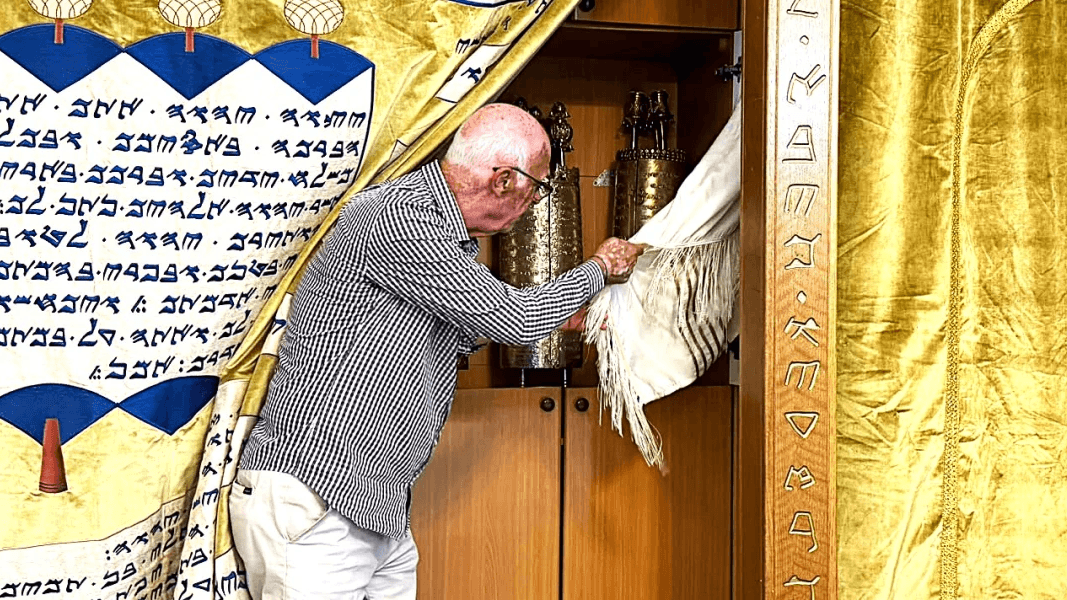
Our brethren, the Samaritans of Israel, prepare for Yom Kippur and Sukkot
Samaritans observe Yom Kippur on Oct. 20 and Sukkot on Oct. 25, about a month after the Jewish dates, and build their sukkot indoors.
Tania Shalom Michaelian
October 1, 2026
World
Global
Next U.N. leader must clean up anti-Semitism, world Jewish communities tell global body
Seven Jewish communities ask U.N. member states to weigh anti-Semitism when choosing the next secretary-general, who starts Jan. 1.
Mike Wagenheim
October 8, 2026
World
U.S. / National
FBI: Minnesota teen arrested for ISIS-style attack plan on Mall of America due to its Jewish owners
An 18-year-old Minnesota man was arrested after allegedly buying an AK-47-style rifle from an undercover FBI agent to attack the mall on Oct. 24.
JNS
October 8, 2026
World
Israel & Middle East
Our brethren, the Samaritans of Israel, prepare for Yom Kippur and Sukkot
Samaritans observe Yom Kippur on Oct. 20 and Sukkot on Oct. 25, about a month after the Jewish dates, and build their sukkot indoors.
Tania Shalom Michaelian
October 1, 2026

World
U.S. / National
U.S. Jewish leaders slam new Mamdani plan to fight Jew-hatred
NYC Mayor Zohran Mamdani’s new plan to fight Jew-hatred draws criticism from Jewish leaders and Israeli officials for sidestepping anti-Zionism.
Debra Nussbaum Cohen
October 1, 2026

© 2026 The Jewish World · Since 1965 - The Capital Region's gateway to Jewish life
Designed and Developed by Ta-Da Studios
© 2026 The Jewish World · Since 1965 - The Capital Region's gateway to Jewish life
Designed and Developed by Ta-Da Studios
© 2026 The Jewish World · Since 1965 - The Capital Region's gateway to Jewish life
Designed and Developed by Ta-Da Studios
© 2026 The Jewish World · Since 1965 - The Capital Region's gateway to Jewish life
Designed and Developed by Ta-Da Studios