Rabbi’s letter fetches $700,000 at auction
A handwritten letter from 18th-century Rabbi Chaim ibn Attar, author of the Or HaChaim, sold for $700,000 at Jerusalem’s Kedem Auction House.
Assaf Golan
2
mins read time
Originally published at
JNS
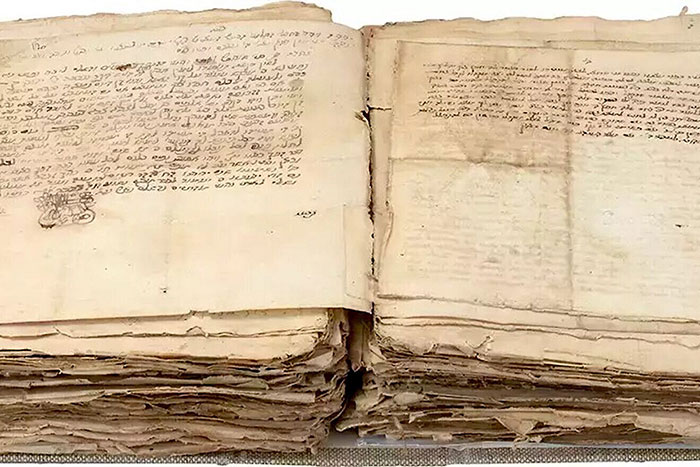
The letter bears Rabbi Chaim ibn Attar’s distinctive signature. Photo courtesy of Kedem Auction House.
A historic handwritten letter by Rabbi Chaim ibn Attar (c1696-1743), the author of the biblical commentary Or HaChaim, sold for $700,000 (2.5 million shekels) at a recent auction in Jerusalem. The sale, conducted by Kedem Auction House, includes an additional 25% commission fee.
The manuscript, which emerged from a comprehensive collection assembled by Israeli attorney Avigdor Klagsbald, features the distinctive signature of Rabbi Chaim ibn Attar and addresses the Jewish religious judges of Meknes regarding tax relief for a community member. The letter was discovered within a volume containing hundreds of manuscripts and signatures from prominent 18th-century Moroccan Torah scholars, including Rabbi Yaakov ibn Tzur and Rabbi Yehudah ben Attar.
ADVERTISEMENT
Chaim ibn Attar’s legacy extends far beyond this single document. As a leading advocate for Jewish emigration to the land of Israel, he led by example during a period of severe persecution and famine in Morocco. These challenging circumstances not only influenced his decision to immigrate but also impacted the writing of his seminal work Or HaChaim, where he acknowledged variations in commentary length due to the period’s upheavals.
In a journey that would shape Jerusalem’s religious landscape, Chaim ibn Attar arrived first in Acre with 30 students, intending to establish a yeshivah. After navigating through epidemics in the Galilee, he settled in Jerusalem, where he purchased a historic courtyard—now known as the Old Yishuv Courtyard, it is traditionally believed to be the birthplace of Rabbi Yitzchak Luria, commonly known as the Ari, two centuries earlier—and established his study hall.
Chaim ibn Attar, a Sephardic rabbi, achieved unprecedented recognition among Chasidic communities throughout Europe, with his writings becoming cornerstone texts in Chasidic thought. The study hall he founded demonstrated similar resilience, surviving the 1948 Jordanian destruction of Jewish institutions and later undergoing renovation on Or HaChaim Street in the Jewish Quarter following the Six-Day War.
Rabbi Chaim ibn Attar’s influence continues well beyond his brief life, which ended at age 47 in 1743. His tomb on Jerusalem’s Mount of Olives serves as a pilgrimage site, drawing thousands annually who seek blessings at the final resting place of this scholar.
Originally published by Israel Hayom.
Originally published at
JNS
ADVERTISEMENT
Rabbi’s letter fetches $700,000 at auction
A handwritten letter from 18th-century Rabbi Chaim ibn Attar, author of the Or HaChaim, sold for $700,000 at Jerusalem’s Kedem Auction House.
Assaf Golan
2
mins read time
Originally published at
JNS
The letter bears Rabbi Chaim ibn Attar’s distinctive signature. Photo courtesy of Kedem Auction House.
A historic handwritten letter by Rabbi Chaim ibn Attar (c1696-1743), the author of the biblical commentary Or HaChaim, sold for $700,000 (2.5 million shekels) at a recent auction in Jerusalem. The sale, conducted by Kedem Auction House, includes an additional 25% commission fee.
The manuscript, which emerged from a comprehensive collection assembled by Israeli attorney Avigdor Klagsbald, features the distinctive signature of Rabbi Chaim ibn Attar and addresses the Jewish religious judges of Meknes regarding tax relief for a community member. The letter was discovered within a volume containing hundreds of manuscripts and signatures from prominent 18th-century Moroccan Torah scholars, including Rabbi Yaakov ibn Tzur and Rabbi Yehudah ben Attar.
ADVERTISEMENT
Chaim ibn Attar’s legacy extends far beyond this single document. As a leading advocate for Jewish emigration to the land of Israel, he led by example during a period of severe persecution and famine in Morocco. These challenging circumstances not only influenced his decision to immigrate but also impacted the writing of his seminal work Or HaChaim, where he acknowledged variations in commentary length due to the period’s upheavals.
In a journey that would shape Jerusalem’s religious landscape, Chaim ibn Attar arrived first in Acre with 30 students, intending to establish a yeshivah. After navigating through epidemics in the Galilee, he settled in Jerusalem, where he purchased a historic courtyard—now known as the Old Yishuv Courtyard, it is traditionally believed to be the birthplace of Rabbi Yitzchak Luria, commonly known as the Ari, two centuries earlier—and established his study hall.
Chaim ibn Attar, a Sephardic rabbi, achieved unprecedented recognition among Chasidic communities throughout Europe, with his writings becoming cornerstone texts in Chasidic thought. The study hall he founded demonstrated similar resilience, surviving the 1948 Jordanian destruction of Jewish institutions and later undergoing renovation on Or HaChaim Street in the Jewish Quarter following the Six-Day War.
Rabbi Chaim ibn Attar’s influence continues well beyond his brief life, which ended at age 47 in 1743. His tomb on Jerusalem’s Mount of Olives serves as a pilgrimage site, drawing thousands annually who seek blessings at the final resting place of this scholar.
Originally published by Israel Hayom.
Originally published at
JNS
ADVERTISEMENT
Rabbi’s letter fetches $700,000 at auction
A handwritten letter from 18th-century Rabbi Chaim ibn Attar, author of the Or HaChaim, sold for $700,000 at Jerusalem’s Kedem Auction House.
Assaf Golan
2
mins read time
Originally published at
JNS
The letter bears Rabbi Chaim ibn Attar’s distinctive signature. Photo courtesy of Kedem Auction House.
A historic handwritten letter by Rabbi Chaim ibn Attar (c1696-1743), the author of the biblical commentary Or HaChaim, sold for $700,000 (2.5 million shekels) at a recent auction in Jerusalem. The sale, conducted by Kedem Auction House, includes an additional 25% commission fee.
The manuscript, which emerged from a comprehensive collection assembled by Israeli attorney Avigdor Klagsbald, features the distinctive signature of Rabbi Chaim ibn Attar and addresses the Jewish religious judges of Meknes regarding tax relief for a community member. The letter was discovered within a volume containing hundreds of manuscripts and signatures from prominent 18th-century Moroccan Torah scholars, including Rabbi Yaakov ibn Tzur and Rabbi Yehudah ben Attar.
ADVERTISEMENT
Chaim ibn Attar’s legacy extends far beyond this single document. As a leading advocate for Jewish emigration to the land of Israel, he led by example during a period of severe persecution and famine in Morocco. These challenging circumstances not only influenced his decision to immigrate but also impacted the writing of his seminal work Or HaChaim, where he acknowledged variations in commentary length due to the period’s upheavals.
In a journey that would shape Jerusalem’s religious landscape, Chaim ibn Attar arrived first in Acre with 30 students, intending to establish a yeshivah. After navigating through epidemics in the Galilee, he settled in Jerusalem, where he purchased a historic courtyard—now known as the Old Yishuv Courtyard, it is traditionally believed to be the birthplace of Rabbi Yitzchak Luria, commonly known as the Ari, two centuries earlier—and established his study hall.
Chaim ibn Attar, a Sephardic rabbi, achieved unprecedented recognition among Chasidic communities throughout Europe, with his writings becoming cornerstone texts in Chasidic thought. The study hall he founded demonstrated similar resilience, surviving the 1948 Jordanian destruction of Jewish institutions and later undergoing renovation on Or HaChaim Street in the Jewish Quarter following the Six-Day War.
Rabbi Chaim ibn Attar’s influence continues well beyond his brief life, which ended at age 47 in 1743. His tomb on Jerusalem’s Mount of Olives serves as a pilgrimage site, drawing thousands annually who seek blessings at the final resting place of this scholar.
Originally published by Israel Hayom.
Originally published at
JNS
ADVERTISEMENT
Rabbi’s letter fetches $700,000 at auction
A handwritten letter from 18th-century Rabbi Chaim ibn Attar, author of the Or HaChaim, sold for $700,000 at Jerusalem’s Kedem Auction House.
Assaf Golan
2
mins read time
Originally published at
JNS
The letter bears Rabbi Chaim ibn Attar’s distinctive signature. Photo courtesy of Kedem Auction House.
A historic handwritten letter by Rabbi Chaim ibn Attar (c1696-1743), the author of the biblical commentary Or HaChaim, sold for $700,000 (2.5 million shekels) at a recent auction in Jerusalem. The sale, conducted by Kedem Auction House, includes an additional 25% commission fee.
The manuscript, which emerged from a comprehensive collection assembled by Israeli attorney Avigdor Klagsbald, features the distinctive signature of Rabbi Chaim ibn Attar and addresses the Jewish religious judges of Meknes regarding tax relief for a community member. The letter was discovered within a volume containing hundreds of manuscripts and signatures from prominent 18th-century Moroccan Torah scholars, including Rabbi Yaakov ibn Tzur and Rabbi Yehudah ben Attar.
ADVERTISEMENT
Chaim ibn Attar’s legacy extends far beyond this single document. As a leading advocate for Jewish emigration to the land of Israel, he led by example during a period of severe persecution and famine in Morocco. These challenging circumstances not only influenced his decision to immigrate but also impacted the writing of his seminal work Or HaChaim, where he acknowledged variations in commentary length due to the period’s upheavals.
In a journey that would shape Jerusalem’s religious landscape, Chaim ibn Attar arrived first in Acre with 30 students, intending to establish a yeshivah. After navigating through epidemics in the Galilee, he settled in Jerusalem, where he purchased a historic courtyard—now known as the Old Yishuv Courtyard, it is traditionally believed to be the birthplace of Rabbi Yitzchak Luria, commonly known as the Ari, two centuries earlier—and established his study hall.
Chaim ibn Attar, a Sephardic rabbi, achieved unprecedented recognition among Chasidic communities throughout Europe, with his writings becoming cornerstone texts in Chasidic thought. The study hall he founded demonstrated similar resilience, surviving the 1948 Jordanian destruction of Jewish institutions and later undergoing renovation on Or HaChaim Street in the Jewish Quarter following the Six-Day War.
Rabbi Chaim ibn Attar’s influence continues well beyond his brief life, which ended at age 47 in 1743. His tomb on Jerusalem’s Mount of Olives serves as a pilgrimage site, drawing thousands annually who seek blessings at the final resting place of this scholar.
Originally published by Israel Hayom.
ADVERTISEMENT
Originally published at
JNS
ADVERTISEMENT
Related News

Opinions
Columns
Let us bask in the glory of our accomplishments
Mitchell Bard argues it’s time to stop debating Zionism and treat its success as settled, not something to keep defending.
Mitchell Bard
September 17, 2026

Opinions
Columns
Get out your crystal ball! Take the 5787 Jewish pundit quiz
JNS columnist Jonathan S. Tobin reviews last year’s picks and previews the new Jewish year with his annual Rosh Hashanah pundit quiz.
Jonathan S. Tobin
September 17, 2026

Opinions
Personal Stories
Greeting the new year with memories of loved ones and past holidays
Marilyn Shapiro reflects on High Holy Day gatherings past and present, and on placing a stone at yizkor in memory of loved ones.
Marilyn Shapiro
September 10, 2026
Opinions
Columns
Let us bask in the glory of our accomplishments
Mitchell Bard argues it’s time to stop debating Zionism and treat its success as settled, not something to keep defending.
Mitchell Bard
September 17, 2026
Opinions
Columns
Get out your crystal ball! Take the 5787 Jewish pundit quiz
JNS columnist Jonathan S. Tobin reviews last year’s picks and previews the new Jewish year with his annual Rosh Hashanah pundit quiz.
Jonathan S. Tobin
September 17, 2026
Opinions
Personal Stories
Greeting the new year with memories of loved ones and past holidays
Marilyn Shapiro reflects on High Holy Day gatherings past and present, and on placing a stone at yizkor in memory of loved ones.
Marilyn Shapiro
September 10, 2026

Opinions
Religion & Philosophy
Kavannah: A meditation
Rabbi Avi Weiss offers a meditation on the Unetaneh Tokef prayer as the 25th anniversary of 9/11 falls on Rosh Hashanah this year.
Rabbi Avi Weiss
September 10, 2026

© 2026 The Jewish World · Since 1965 - The Capital Region's gateway to Jewish life
Designed and Developed by Ta-Da Studios
© 2026 The Jewish World · Since 1965 - The Capital Region's gateway to Jewish life
Designed and Developed by Ta-Da Studios
© 2026 The Jewish World · Since 1965 - The Capital Region's gateway to Jewish life
Designed and Developed by Ta-Da Studios
© 2026 The Jewish World · Since 1965 - The Capital Region's gateway to Jewish life
Designed and Developed by Ta-Da Studios