Who is the Iranian crown prince?
From U.S. exile, Reza Pahlavi rallies protesters inside Iran at a fevered pace, with one goal: ending the regime that ousted his father in 1979.
Shachar Kleiman
6
mins read time
Originally published at
JNS
Dean Brandstetter
6
mins read time
Originally published at
JNS
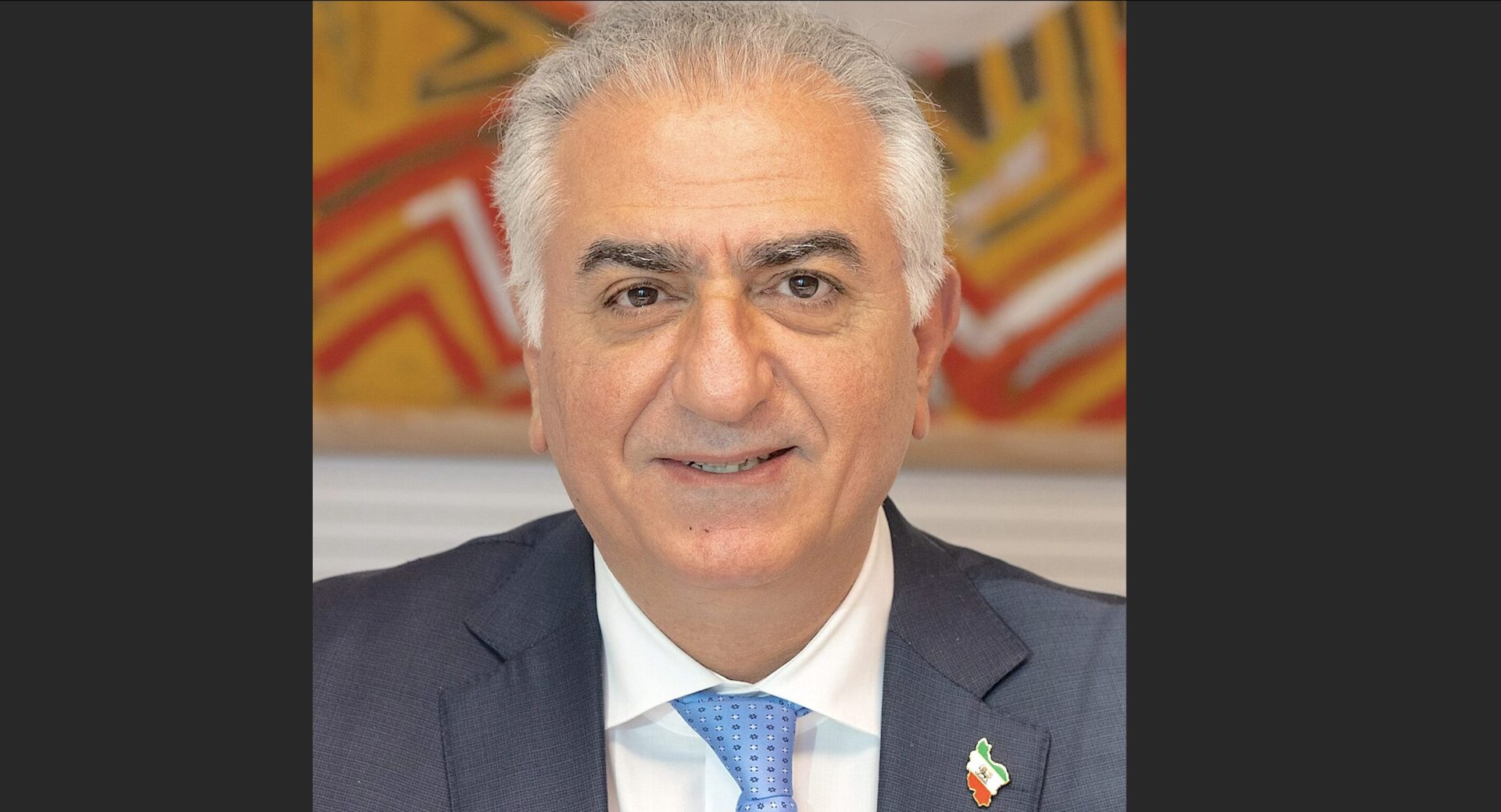
Crown Prince of Iran REZA PAHLAVI Photo courtesy of the © European Union, 1998 – 2026 Alain ROLLAND © European Union 2023.
Iranian Crown Prince Reza Pahlavi has been operating his social media accounts from exile in the United States at a heightened pace in recent days as he rallies protestors in the Islamic Republic.
Before him stands one clear objective: to overthrow the regime that took power from his father, Shah Mohammad Reza Pahlavi, in 1979, 47 years ago.
Born into royalty
The crown prince was born on Oct. 31, 1960, in Tehran, 19 years after his father inherited power from his grandfather. At that time, he did not imagine that he would never serve as the leader of the Persian Empire.
Reza Pahlavi studied at the Reza Pahlavi School, named after him, which was established within the walls of Niavaran Palace in northern Tehran, and lived a life of luxury. A biographer of his father noted that the talented crown prince once played rock music at the palace during a visit by then-President Jimmy Carter to Tehran on New Year’s Eve—shortly before losing power.
In 1978, at age 18, Reza left Iran for a flight course at the U.S. Air Force base in Texas, and has essentially not returned to his country since. A year later, in 1979, the Islamic Revolution broke out in Iran, which toppled the monarchy. His father, the shah, fled the country, and Reza found himself in exile.
With his father’s death in 1980, Reza Pahlavi officially became crown prince on his 20th birthday. In a speech he gave then, he addressed the Iranian people: “I can understand and sympathize with your suffering and your inner torments. I shed the tears that you must hide. But there is, I am sure, light beyond the darkness. Deep in your hearts, you can be certain that this nightmare, like others in our history, will pass.”
In the early 1980s, he settled in exile in the United States, in cities like Los Angeles and Washington, D.C., while his mother, Shahbanu (title for Iranian empress) Farah Pahlavi, lived in Paris.
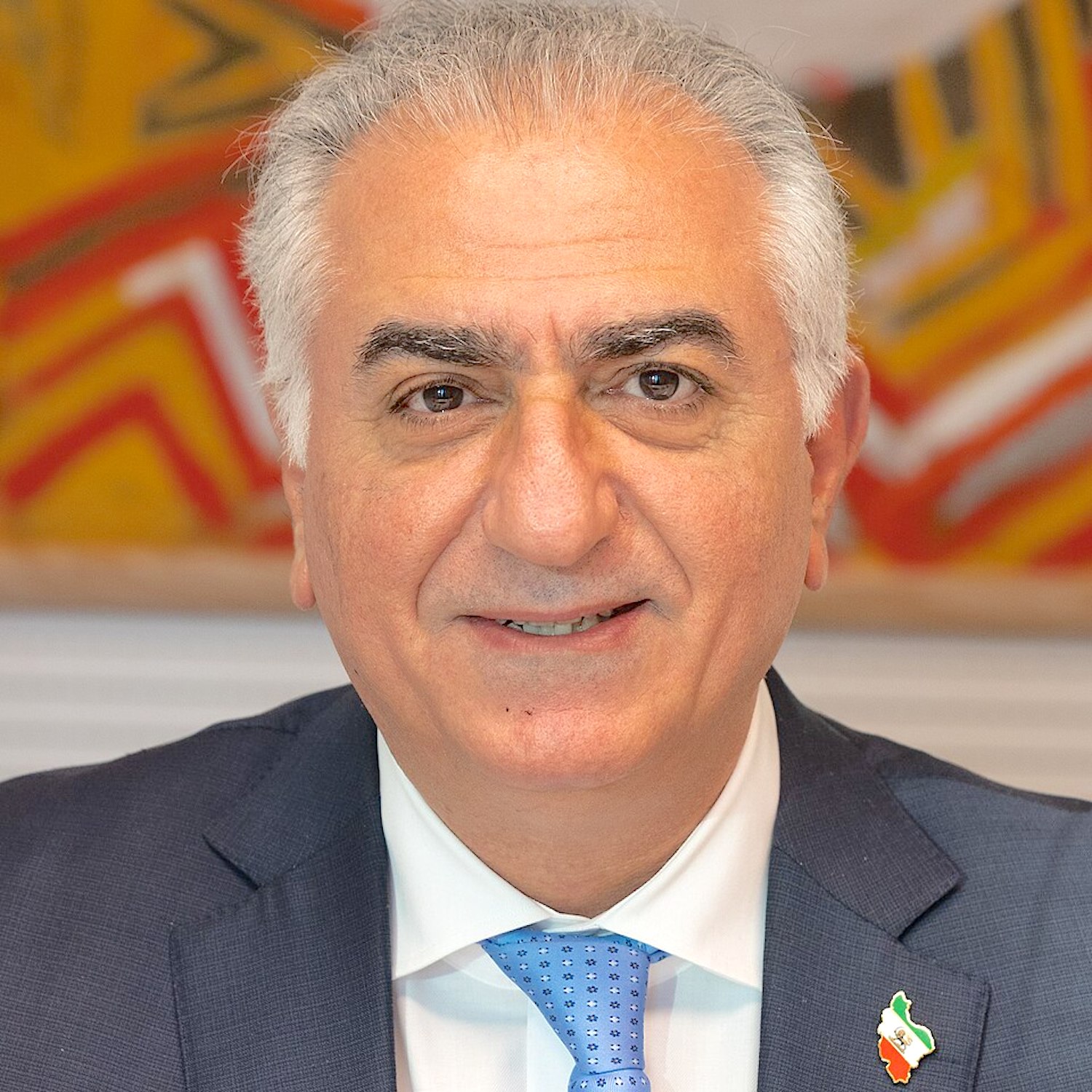
Crown Prince of Iran REZA PAHLAVI Photo courtesy of the © European Union, 1998 – 2026 Alain ROLLAND © European Union 2023.
ADVERTISEMENT
Visit to Israel
Over the years that passed, the crown prince invested effort in undermining the regime of the ayatollahs, but the chance for a reversal seemed slim until President Donald Trump’s arrival. Alongside the imposition of economic sanctions by the Trump administration, the prince returned to and intensified political activity, including paying a visit to Israel in April 2023.
He arrived in the country together with his wife at the invitation of Minister Gila Gamliel, and met with Israeli Prime Minister Benjamin Netanyahu. The program then included emotional appearances at the Western Wall and Yad Vashem, and an equally moving condolence visit to Rabbi Leo Dee, who lost his wife and two daughters in a terrorist attack in the Jordan Valley.
“To peace, to freedom, to security, human dignity, to live together. I bless the people of Iran and Israel,” the shah’s son wrote in the Western Wall guestbook.
Oct. 7 massacre
The connection between Pahlavi and Minister Gamliel has continued even after the Hamas-led Oct. 7 massacre. Pahlavi condemned the massacre in the harshest terms, and placed responsibility on Supreme Leader Ali Khamenei’s regime for the barbaric murder of 1,200 Israelis.
In an interview with Israel Hayom, days after the launch of Israel’s “Operation Rising Lion” against the Islamic Republic in June, the crown prince expressed hope for change. Pahlavi was convinced that the blows Israel delivered to the regime had shaken its grip on the country.
“The overwhelming majority of the Iranian people oppose this oppressive regime. Despite the risks, they continue to make their voices heard—something that constitutes proof of the depth and breadth of the opposition. Very few are truly willing to sacrifice themselves for the regime. A low percentage directly benefit from its mechanisms of corruption and oppression, and from it only a small minority truly adhere to the regime’s extremist ideology,” said Pahlavi. “My vision is a democratic and secular Iran, based on human rights, equality, prosperity and peace, a nation that earns partnership and respect from the international community, and that is governed according to the will of the Iranian people.”
In the same interview he expressed desire for cooperation with all countries of the region, including Israel. “Iran and Israel can and should cultivate relations of mutual respect and mutual benefit, that will be based on diplomacy, economic cooperation, regional stability and peaceful coexistence. We will also aspire to similar relations with all our neighbors in the Arab world—from Saudi Arabia, through Jordan and to the United Arab Emirates.”
ADVERTISEMENT
“You are the complete opposite of Obama and Joe Biden”
In an interview he recently gave to Fox News, Pahlavi.addressed Trump and called for overthrowing the regime while establishing relations with the State of Israel.
“Mr. President, you have already established your legacy as a man committed to peace and fighting the forces of evil. There is a reason why Iranians call your name in the streets. They know you are the complete opposite of Obama and Joe Biden. They know you won’t throw them under the bus,” said Pahlavi.
He added, “They draw strength from the hope that you have their back. Let’s hope you can cement this legacy forever by liberating Iran, so that we and you can restore it to its greatness. I am ready to return to Iran at the first opportunity and I am planning this with the transition team. We hope that this time the Iranian people will win and they will win.
“Because they are willing to die for this cause. This is not just for us Iranians, it is for the entire world. To ensure that all the evil this regime has brought to the world will disappear. That we can finally breathe, and achieve good relations with our neighbors, with the Israelis and with the Arab neighbors and with the rest of the world.”
Originally published by Israel Hayom.
Originally published at
JNS
Originally published at
JNS
ADVERTISEMENT
Who is the Iranian crown prince?
From U.S. exile, Reza Pahlavi rallies protesters inside Iran at a fevered pace, with one goal: ending the regime that ousted his father in 1979.
Shachar Kleiman
6
mins read time
Originally published at
JNS
Dean Brandstetter
6
mins read time
Originally published at
JNS
Crown Prince of Iran REZA PAHLAVI Photo courtesy of the © European Union, 1998 – 2026 Alain ROLLAND © European Union 2023.
Iranian Crown Prince Reza Pahlavi has been operating his social media accounts from exile in the United States at a heightened pace in recent days as he rallies protestors in the Islamic Republic.
Before him stands one clear objective: to overthrow the regime that took power from his father, Shah Mohammad Reza Pahlavi, in 1979, 47 years ago.
Born into royalty
The crown prince was born on Oct. 31, 1960, in Tehran, 19 years after his father inherited power from his grandfather. At that time, he did not imagine that he would never serve as the leader of the Persian Empire.
Reza Pahlavi studied at the Reza Pahlavi School, named after him, which was established within the walls of Niavaran Palace in northern Tehran, and lived a life of luxury. A biographer of his father noted that the talented crown prince once played rock music at the palace during a visit by then-President Jimmy Carter to Tehran on New Year’s Eve—shortly before losing power.
In 1978, at age 18, Reza left Iran for a flight course at the U.S. Air Force base in Texas, and has essentially not returned to his country since. A year later, in 1979, the Islamic Revolution broke out in Iran, which toppled the monarchy. His father, the shah, fled the country, and Reza found himself in exile.
With his father’s death in 1980, Reza Pahlavi officially became crown prince on his 20th birthday. In a speech he gave then, he addressed the Iranian people: “I can understand and sympathize with your suffering and your inner torments. I shed the tears that you must hide. But there is, I am sure, light beyond the darkness. Deep in your hearts, you can be certain that this nightmare, like others in our history, will pass.”
In the early 1980s, he settled in exile in the United States, in cities like Los Angeles and Washington, D.C., while his mother, Shahbanu (title for Iranian empress) Farah Pahlavi, lived in Paris.
Crown Prince of Iran REZA PAHLAVI Photo courtesy of the © European Union, 1998 – 2026 Alain ROLLAND © European Union 2023.
ADVERTISEMENT
Visit to Israel
Over the years that passed, the crown prince invested effort in undermining the regime of the ayatollahs, but the chance for a reversal seemed slim until President Donald Trump’s arrival. Alongside the imposition of economic sanctions by the Trump administration, the prince returned to and intensified political activity, including paying a visit to Israel in April 2023.
He arrived in the country together with his wife at the invitation of Minister Gila Gamliel, and met with Israeli Prime Minister Benjamin Netanyahu. The program then included emotional appearances at the Western Wall and Yad Vashem, and an equally moving condolence visit to Rabbi Leo Dee, who lost his wife and two daughters in a terrorist attack in the Jordan Valley.
“To peace, to freedom, to security, human dignity, to live together. I bless the people of Iran and Israel,” the shah’s son wrote in the Western Wall guestbook.
Oct. 7 massacre
The connection between Pahlavi and Minister Gamliel has continued even after the Hamas-led Oct. 7 massacre. Pahlavi condemned the massacre in the harshest terms, and placed responsibility on Supreme Leader Ali Khamenei’s regime for the barbaric murder of 1,200 Israelis.
In an interview with Israel Hayom, days after the launch of Israel’s “Operation Rising Lion” against the Islamic Republic in June, the crown prince expressed hope for change. Pahlavi was convinced that the blows Israel delivered to the regime had shaken its grip on the country.
“The overwhelming majority of the Iranian people oppose this oppressive regime. Despite the risks, they continue to make their voices heard—something that constitutes proof of the depth and breadth of the opposition. Very few are truly willing to sacrifice themselves for the regime. A low percentage directly benefit from its mechanisms of corruption and oppression, and from it only a small minority truly adhere to the regime’s extremist ideology,” said Pahlavi. “My vision is a democratic and secular Iran, based on human rights, equality, prosperity and peace, a nation that earns partnership and respect from the international community, and that is governed according to the will of the Iranian people.”
In the same interview he expressed desire for cooperation with all countries of the region, including Israel. “Iran and Israel can and should cultivate relations of mutual respect and mutual benefit, that will be based on diplomacy, economic cooperation, regional stability and peaceful coexistence. We will also aspire to similar relations with all our neighbors in the Arab world—from Saudi Arabia, through Jordan and to the United Arab Emirates.”
ADVERTISEMENT
“You are the complete opposite of Obama and Joe Biden”
In an interview he recently gave to Fox News, Pahlavi.addressed Trump and called for overthrowing the regime while establishing relations with the State of Israel.
“Mr. President, you have already established your legacy as a man committed to peace and fighting the forces of evil. There is a reason why Iranians call your name in the streets. They know you are the complete opposite of Obama and Joe Biden. They know you won’t throw them under the bus,” said Pahlavi.
He added, “They draw strength from the hope that you have their back. Let’s hope you can cement this legacy forever by liberating Iran, so that we and you can restore it to its greatness. I am ready to return to Iran at the first opportunity and I am planning this with the transition team. We hope that this time the Iranian people will win and they will win.
“Because they are willing to die for this cause. This is not just for us Iranians, it is for the entire world. To ensure that all the evil this regime has brought to the world will disappear. That we can finally breathe, and achieve good relations with our neighbors, with the Israelis and with the Arab neighbors and with the rest of the world.”
Originally published by Israel Hayom.
Originally published at
JNS
Originally published at
JNS
ADVERTISEMENT
Who is the Iranian crown prince?
From U.S. exile, Reza Pahlavi rallies protesters inside Iran at a fevered pace, with one goal: ending the regime that ousted his father in 1979.
Shachar Kleiman
6
mins read time
Originally published at
JNS
Dean Brandstetter
6
mins read time
Originally published at
JNS
Crown Prince of Iran REZA PAHLAVI Photo courtesy of the © European Union, 1998 – 2026 Alain ROLLAND © European Union 2023.
Iranian Crown Prince Reza Pahlavi has been operating his social media accounts from exile in the United States at a heightened pace in recent days as he rallies protestors in the Islamic Republic.
Before him stands one clear objective: to overthrow the regime that took power from his father, Shah Mohammad Reza Pahlavi, in 1979, 47 years ago.
Born into royalty
The crown prince was born on Oct. 31, 1960, in Tehran, 19 years after his father inherited power from his grandfather. At that time, he did not imagine that he would never serve as the leader of the Persian Empire.
Reza Pahlavi studied at the Reza Pahlavi School, named after him, which was established within the walls of Niavaran Palace in northern Tehran, and lived a life of luxury. A biographer of his father noted that the talented crown prince once played rock music at the palace during a visit by then-President Jimmy Carter to Tehran on New Year’s Eve—shortly before losing power.
In 1978, at age 18, Reza left Iran for a flight course at the U.S. Air Force base in Texas, and has essentially not returned to his country since. A year later, in 1979, the Islamic Revolution broke out in Iran, which toppled the monarchy. His father, the shah, fled the country, and Reza found himself in exile.
With his father’s death in 1980, Reza Pahlavi officially became crown prince on his 20th birthday. In a speech he gave then, he addressed the Iranian people: “I can understand and sympathize with your suffering and your inner torments. I shed the tears that you must hide. But there is, I am sure, light beyond the darkness. Deep in your hearts, you can be certain that this nightmare, like others in our history, will pass.”
In the early 1980s, he settled in exile in the United States, in cities like Los Angeles and Washington, D.C., while his mother, Shahbanu (title for Iranian empress) Farah Pahlavi, lived in Paris.
Crown Prince of Iran REZA PAHLAVI Photo courtesy of the © European Union, 1998 – 2026 Alain ROLLAND © European Union 2023.
ADVERTISEMENT
Visit to Israel
Over the years that passed, the crown prince invested effort in undermining the regime of the ayatollahs, but the chance for a reversal seemed slim until President Donald Trump’s arrival. Alongside the imposition of economic sanctions by the Trump administration, the prince returned to and intensified political activity, including paying a visit to Israel in April 2023.
He arrived in the country together with his wife at the invitation of Minister Gila Gamliel, and met with Israeli Prime Minister Benjamin Netanyahu. The program then included emotional appearances at the Western Wall and Yad Vashem, and an equally moving condolence visit to Rabbi Leo Dee, who lost his wife and two daughters in a terrorist attack in the Jordan Valley.
“To peace, to freedom, to security, human dignity, to live together. I bless the people of Iran and Israel,” the shah’s son wrote in the Western Wall guestbook.
Oct. 7 massacre
The connection between Pahlavi and Minister Gamliel has continued even after the Hamas-led Oct. 7 massacre. Pahlavi condemned the massacre in the harshest terms, and placed responsibility on Supreme Leader Ali Khamenei’s regime for the barbaric murder of 1,200 Israelis.
In an interview with Israel Hayom, days after the launch of Israel’s “Operation Rising Lion” against the Islamic Republic in June, the crown prince expressed hope for change. Pahlavi was convinced that the blows Israel delivered to the regime had shaken its grip on the country.
“The overwhelming majority of the Iranian people oppose this oppressive regime. Despite the risks, they continue to make their voices heard—something that constitutes proof of the depth and breadth of the opposition. Very few are truly willing to sacrifice themselves for the regime. A low percentage directly benefit from its mechanisms of corruption and oppression, and from it only a small minority truly adhere to the regime’s extremist ideology,” said Pahlavi. “My vision is a democratic and secular Iran, based on human rights, equality, prosperity and peace, a nation that earns partnership and respect from the international community, and that is governed according to the will of the Iranian people.”
In the same interview he expressed desire for cooperation with all countries of the region, including Israel. “Iran and Israel can and should cultivate relations of mutual respect and mutual benefit, that will be based on diplomacy, economic cooperation, regional stability and peaceful coexistence. We will also aspire to similar relations with all our neighbors in the Arab world—from Saudi Arabia, through Jordan and to the United Arab Emirates.”
ADVERTISEMENT
“You are the complete opposite of Obama and Joe Biden”
In an interview he recently gave to Fox News, Pahlavi.addressed Trump and called for overthrowing the regime while establishing relations with the State of Israel.
“Mr. President, you have already established your legacy as a man committed to peace and fighting the forces of evil. There is a reason why Iranians call your name in the streets. They know you are the complete opposite of Obama and Joe Biden. They know you won’t throw them under the bus,” said Pahlavi.
He added, “They draw strength from the hope that you have their back. Let’s hope you can cement this legacy forever by liberating Iran, so that we and you can restore it to its greatness. I am ready to return to Iran at the first opportunity and I am planning this with the transition team. We hope that this time the Iranian people will win and they will win.
“Because they are willing to die for this cause. This is not just for us Iranians, it is for the entire world. To ensure that all the evil this regime has brought to the world will disappear. That we can finally breathe, and achieve good relations with our neighbors, with the Israelis and with the Arab neighbors and with the rest of the world.”
Originally published by Israel Hayom.
Originally published at
JNS
Originally published at
JNS
ADVERTISEMENT
Who is the Iranian crown prince?
From U.S. exile, Reza Pahlavi rallies protesters inside Iran at a fevered pace, with one goal: ending the regime that ousted his father in 1979.
Shachar Kleiman
6
mins read time
Originally published at
JNS
Dean Brandstetter
6
mins read time
Originally published at
JNS
Crown Prince of Iran REZA PAHLAVI Photo courtesy of the © European Union, 1998 – 2026 Alain ROLLAND © European Union 2023.
Iranian Crown Prince Reza Pahlavi has been operating his social media accounts from exile in the United States at a heightened pace in recent days as he rallies protestors in the Islamic Republic.
Before him stands one clear objective: to overthrow the regime that took power from his father, Shah Mohammad Reza Pahlavi, in 1979, 47 years ago.
Born into royalty
The crown prince was born on Oct. 31, 1960, in Tehran, 19 years after his father inherited power from his grandfather. At that time, he did not imagine that he would never serve as the leader of the Persian Empire.
Reza Pahlavi studied at the Reza Pahlavi School, named after him, which was established within the walls of Niavaran Palace in northern Tehran, and lived a life of luxury. A biographer of his father noted that the talented crown prince once played rock music at the palace during a visit by then-President Jimmy Carter to Tehran on New Year’s Eve—shortly before losing power.
In 1978, at age 18, Reza left Iran for a flight course at the U.S. Air Force base in Texas, and has essentially not returned to his country since. A year later, in 1979, the Islamic Revolution broke out in Iran, which toppled the monarchy. His father, the shah, fled the country, and Reza found himself in exile.
With his father’s death in 1980, Reza Pahlavi officially became crown prince on his 20th birthday. In a speech he gave then, he addressed the Iranian people: “I can understand and sympathize with your suffering and your inner torments. I shed the tears that you must hide. But there is, I am sure, light beyond the darkness. Deep in your hearts, you can be certain that this nightmare, like others in our history, will pass.”
In the early 1980s, he settled in exile in the United States, in cities like Los Angeles and Washington, D.C., while his mother, Shahbanu (title for Iranian empress) Farah Pahlavi, lived in Paris.
Crown Prince of Iran REZA PAHLAVI Photo courtesy of the © European Union, 1998 – 2026 Alain ROLLAND © European Union 2023.
ADVERTISEMENT
Visit to Israel
Over the years that passed, the crown prince invested effort in undermining the regime of the ayatollahs, but the chance for a reversal seemed slim until President Donald Trump’s arrival. Alongside the imposition of economic sanctions by the Trump administration, the prince returned to and intensified political activity, including paying a visit to Israel in April 2023.
He arrived in the country together with his wife at the invitation of Minister Gila Gamliel, and met with Israeli Prime Minister Benjamin Netanyahu. The program then included emotional appearances at the Western Wall and Yad Vashem, and an equally moving condolence visit to Rabbi Leo Dee, who lost his wife and two daughters in a terrorist attack in the Jordan Valley.
“To peace, to freedom, to security, human dignity, to live together. I bless the people of Iran and Israel,” the shah’s son wrote in the Western Wall guestbook.
Oct. 7 massacre
The connection between Pahlavi and Minister Gamliel has continued even after the Hamas-led Oct. 7 massacre. Pahlavi condemned the massacre in the harshest terms, and placed responsibility on Supreme Leader Ali Khamenei’s regime for the barbaric murder of 1,200 Israelis.
In an interview with Israel Hayom, days after the launch of Israel’s “Operation Rising Lion” against the Islamic Republic in June, the crown prince expressed hope for change. Pahlavi was convinced that the blows Israel delivered to the regime had shaken its grip on the country.
“The overwhelming majority of the Iranian people oppose this oppressive regime. Despite the risks, they continue to make their voices heard—something that constitutes proof of the depth and breadth of the opposition. Very few are truly willing to sacrifice themselves for the regime. A low percentage directly benefit from its mechanisms of corruption and oppression, and from it only a small minority truly adhere to the regime’s extremist ideology,” said Pahlavi. “My vision is a democratic and secular Iran, based on human rights, equality, prosperity and peace, a nation that earns partnership and respect from the international community, and that is governed according to the will of the Iranian people.”
In the same interview he expressed desire for cooperation with all countries of the region, including Israel. “Iran and Israel can and should cultivate relations of mutual respect and mutual benefit, that will be based on diplomacy, economic cooperation, regional stability and peaceful coexistence. We will also aspire to similar relations with all our neighbors in the Arab world—from Saudi Arabia, through Jordan and to the United Arab Emirates.”
ADVERTISEMENT
“You are the complete opposite of Obama and Joe Biden”
In an interview he recently gave to Fox News, Pahlavi.addressed Trump and called for overthrowing the regime while establishing relations with the State of Israel.
“Mr. President, you have already established your legacy as a man committed to peace and fighting the forces of evil. There is a reason why Iranians call your name in the streets. They know you are the complete opposite of Obama and Joe Biden. They know you won’t throw them under the bus,” said Pahlavi.
He added, “They draw strength from the hope that you have their back. Let’s hope you can cement this legacy forever by liberating Iran, so that we and you can restore it to its greatness. I am ready to return to Iran at the first opportunity and I am planning this with the transition team. We hope that this time the Iranian people will win and they will win.
“Because they are willing to die for this cause. This is not just for us Iranians, it is for the entire world. To ensure that all the evil this regime has brought to the world will disappear. That we can finally breathe, and achieve good relations with our neighbors, with the Israelis and with the Arab neighbors and with the rest of the world.”
Originally published by Israel Hayom.
Originally published at
JNS
Originally published at
JNS
ADVERTISEMENT
Related News

Opinions
Columns
Let us bask in the glory of our accomplishments
Mitchell Bard argues it’s time to stop debating Zionism and treat its success as settled, not something to keep defending.
Mitchell Bard
September 17, 2026

Opinions
Columns
Get out your crystal ball! Take the 5787 Jewish pundit quiz
JNS columnist Jonathan S. Tobin reviews last year’s picks and previews the new Jewish year with his annual Rosh Hashanah pundit quiz.
Jonathan S. Tobin
September 17, 2026

Opinions
Personal Stories
Greeting the new year with memories of loved ones and past holidays
Marilyn Shapiro reflects on High Holy Day gatherings past and present, and on placing a stone at yizkor in memory of loved ones.
Marilyn Shapiro
September 10, 2026
Opinions
Columns
Let us bask in the glory of our accomplishments
Mitchell Bard argues it’s time to stop debating Zionism and treat its success as settled, not something to keep defending.
Mitchell Bard
September 17, 2026
Opinions
Columns
Get out your crystal ball! Take the 5787 Jewish pundit quiz
JNS columnist Jonathan S. Tobin reviews last year’s picks and previews the new Jewish year with his annual Rosh Hashanah pundit quiz.
Jonathan S. Tobin
September 17, 2026
Opinions
Personal Stories
Greeting the new year with memories of loved ones and past holidays
Marilyn Shapiro reflects on High Holy Day gatherings past and present, and on placing a stone at yizkor in memory of loved ones.
Marilyn Shapiro
September 10, 2026

Opinions
Religion & Philosophy
Kavannah: A meditation
Rabbi Avi Weiss offers a meditation on the Unetaneh Tokef prayer as the 25th anniversary of 9/11 falls on Rosh Hashanah this year.
Rabbi Avi Weiss
September 10, 2026

© 2026 The Jewish World · Since 1965 - The Capital Region's gateway to Jewish life
Designed and Developed by Ta-Da Studios
© 2026 The Jewish World · Since 1965 - The Capital Region's gateway to Jewish life
Designed and Developed by Ta-Da Studios
© 2026 The Jewish World · Since 1965 - The Capital Region's gateway to Jewish life
Designed and Developed by Ta-Da Studios
© 2026 The Jewish World · Since 1965 - The Capital Region's gateway to Jewish life
Designed and Developed by Ta-Da Studios