Bill revisited to designate Holocaust refugee home in NY state as national park
Legislation reintroduced to designate Fort Ontario in Oswego as a national park honoring Holocaust refugees housed there in 1944.
JNS
3 mins read
Published by
JNS
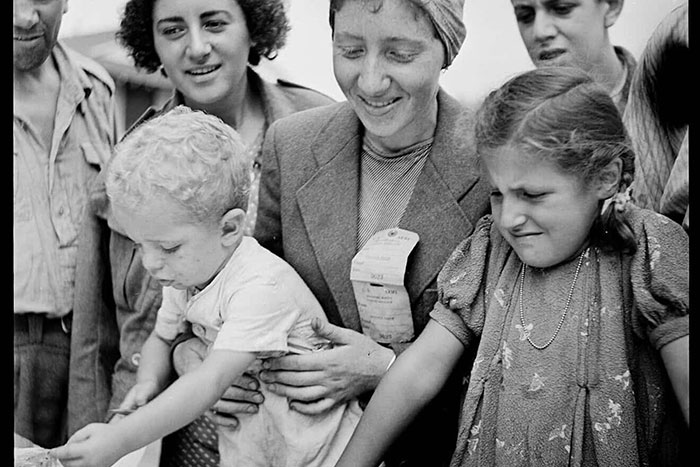
Women and children register for the Fort Ontario Refugee Camp in Oswego, N.Y., August 1944. Photo courtesy of Hikaru Iwasaki for the U.S. Department of the Interior, Public Domain, via Wikimedia Commons.
Eighty years ago, President Franklin D. Roosevelt lifted the immigration quotas for the only time during World War II and allowed almost 1,000 European refugees to enter the United States.
The 982 men, women and children—874 of them Jewish—were housed behind barbed wire in Fort Ontario in Oswego, N.Y., about 40 miles north of Syracuse. They remained there for 18 months until Roosevelt’s successor, Harry S. Truman, allowed them to become American citizens after first crossing into Canada and then returning to the United States.
Now legislation has been reintroduced in Congress to designate their temporary home as the Fort Ontario Holocaust Refugee Shelter National Historical Park.
“The Holocaust Refugee Shelter at Fort Ontario was a place of safety and hope during a dark moment in history, and it deserves recognition in the National Park System,” the bill’s chief Senate sponsor, Sen. Kirsten Gillibrand (D-N.Y.), said in a recent press release announcing the bill, which passed the Senate in the last Congress but was never considered in the U.S. House of Representatives.
A museum telling the story about the refugees sits in the old Fort Ontario administration building. The site itself first housed a British fort during the French and Indian War and was the scene of battles during the American Revolution and the War of 1812.
ADVERTISEMENT
“We must ensure that the historic importance of Fort Ontario is properly honored and preserved for future generations,” said the chief House sponsor, Rep. Claudia Tenney (R-N.Y.). “Once an important site in the battles of the French and Indian War and the War of 1812, as well as a refugee camp for Holocaust survivors, it is crucial that we secure the recognition this significant historic site truly deserves.”
The World War II refugees, who had fled their homes and were living in Italy, were selected from the 3,000 who applied. They sailed under constant fear of a German attack.
While some Oswego residents resented the newcomers, most felt differently. They handed candy to the refugees through the barbed wire. They organized a Boy Scout troop. Almost four dozen refugees were members of Oswego High School’s Class of 1945.
Senate Minority Leader Chuck Schumer, D-N.Y., a co-sponsor of the legislation, said the site is “standing proudly as a beacon of hope for hundreds of Jewish and European refugees forced to flee their homes to escape the horrors of the Holocaust and World War II.”
ADVERTISEMENT
Bill revisited to designate Holocaust refugee home in NY state as national park
Legislation reintroduced to designate Fort Ontario in Oswego as a national park honoring Holocaust refugees housed there in 1944.
JNS
3 mins read
Published by
JNS
Women and children register for the Fort Ontario Refugee Camp in Oswego, N.Y., August 1944. Photo courtesy of Hikaru Iwasaki for the U.S. Department of the Interior, Public Domain, via Wikimedia Commons.
Eighty years ago, President Franklin D. Roosevelt lifted the immigration quotas for the only time during World War II and allowed almost 1,000 European refugees to enter the United States.
The 982 men, women and children—874 of them Jewish—were housed behind barbed wire in Fort Ontario in Oswego, N.Y., about 40 miles north of Syracuse. They remained there for 18 months until Roosevelt’s successor, Harry S. Truman, allowed them to become American citizens after first crossing into Canada and then returning to the United States.
Now legislation has been reintroduced in Congress to designate their temporary home as the Fort Ontario Holocaust Refugee Shelter National Historical Park.
“The Holocaust Refugee Shelter at Fort Ontario was a place of safety and hope during a dark moment in history, and it deserves recognition in the National Park System,” the bill’s chief Senate sponsor, Sen. Kirsten Gillibrand (D-N.Y.), said in a recent press release announcing the bill, which passed the Senate in the last Congress but was never considered in the U.S. House of Representatives.
A museum telling the story about the refugees sits in the old Fort Ontario administration building. The site itself first housed a British fort during the French and Indian War and was the scene of battles during the American Revolution and the War of 1812.
ADVERTISEMENT
“We must ensure that the historic importance of Fort Ontario is properly honored and preserved for future generations,” said the chief House sponsor, Rep. Claudia Tenney (R-N.Y.). “Once an important site in the battles of the French and Indian War and the War of 1812, as well as a refugee camp for Holocaust survivors, it is crucial that we secure the recognition this significant historic site truly deserves.”
The World War II refugees, who had fled their homes and were living in Italy, were selected from the 3,000 who applied. They sailed under constant fear of a German attack.
While some Oswego residents resented the newcomers, most felt differently. They handed candy to the refugees through the barbed wire. They organized a Boy Scout troop. Almost four dozen refugees were members of Oswego High School’s Class of 1945.
Senate Minority Leader Chuck Schumer, D-N.Y., a co-sponsor of the legislation, said the site is “standing proudly as a beacon of hope for hundreds of Jewish and European refugees forced to flee their homes to escape the horrors of the Holocaust and World War II.”
ADVERTISEMENT
Bill revisited to designate Holocaust refugee home in NY state as national park
Legislation reintroduced to designate Fort Ontario in Oswego as a national park honoring Holocaust refugees housed there in 1944.
JNS
3 mins read
Published by
JNS
Women and children register for the Fort Ontario Refugee Camp in Oswego, N.Y., August 1944. Photo courtesy of Hikaru Iwasaki for the U.S. Department of the Interior, Public Domain, via Wikimedia Commons.
Eighty years ago, President Franklin D. Roosevelt lifted the immigration quotas for the only time during World War II and allowed almost 1,000 European refugees to enter the United States.
The 982 men, women and children—874 of them Jewish—were housed behind barbed wire in Fort Ontario in Oswego, N.Y., about 40 miles north of Syracuse. They remained there for 18 months until Roosevelt’s successor, Harry S. Truman, allowed them to become American citizens after first crossing into Canada and then returning to the United States.
Now legislation has been reintroduced in Congress to designate their temporary home as the Fort Ontario Holocaust Refugee Shelter National Historical Park.
“The Holocaust Refugee Shelter at Fort Ontario was a place of safety and hope during a dark moment in history, and it deserves recognition in the National Park System,” the bill’s chief Senate sponsor, Sen. Kirsten Gillibrand (D-N.Y.), said in a recent press release announcing the bill, which passed the Senate in the last Congress but was never considered in the U.S. House of Representatives.
A museum telling the story about the refugees sits in the old Fort Ontario administration building. The site itself first housed a British fort during the French and Indian War and was the scene of battles during the American Revolution and the War of 1812.
ADVERTISEMENT
“We must ensure that the historic importance of Fort Ontario is properly honored and preserved for future generations,” said the chief House sponsor, Rep. Claudia Tenney (R-N.Y.). “Once an important site in the battles of the French and Indian War and the War of 1812, as well as a refugee camp for Holocaust survivors, it is crucial that we secure the recognition this significant historic site truly deserves.”
The World War II refugees, who had fled their homes and were living in Italy, were selected from the 3,000 who applied. They sailed under constant fear of a German attack.
While some Oswego residents resented the newcomers, most felt differently. They handed candy to the refugees through the barbed wire. They organized a Boy Scout troop. Almost four dozen refugees were members of Oswego High School’s Class of 1945.
Senate Minority Leader Chuck Schumer, D-N.Y., a co-sponsor of the legislation, said the site is “standing proudly as a beacon of hope for hundreds of Jewish and European refugees forced to flee their homes to escape the horrors of the Holocaust and World War II.”
ADVERTISEMENT
Bill revisited to designate Holocaust refugee home in NY state as national park
Legislation reintroduced to designate Fort Ontario in Oswego as a national park honoring Holocaust refugees housed there in 1944.
JNS
3 mins read
Published by
JNS
Women and children register for the Fort Ontario Refugee Camp in Oswego, N.Y., August 1944. Photo courtesy of Hikaru Iwasaki for the U.S. Department of the Interior, Public Domain, via Wikimedia Commons.
Eighty years ago, President Franklin D. Roosevelt lifted the immigration quotas for the only time during World War II and allowed almost 1,000 European refugees to enter the United States.
The 982 men, women and children—874 of them Jewish—were housed behind barbed wire in Fort Ontario in Oswego, N.Y., about 40 miles north of Syracuse. They remained there for 18 months until Roosevelt’s successor, Harry S. Truman, allowed them to become American citizens after first crossing into Canada and then returning to the United States.
Now legislation has been reintroduced in Congress to designate their temporary home as the Fort Ontario Holocaust Refugee Shelter National Historical Park.
“The Holocaust Refugee Shelter at Fort Ontario was a place of safety and hope during a dark moment in history, and it deserves recognition in the National Park System,” the bill’s chief Senate sponsor, Sen. Kirsten Gillibrand (D-N.Y.), said in a recent press release announcing the bill, which passed the Senate in the last Congress but was never considered in the U.S. House of Representatives.
A museum telling the story about the refugees sits in the old Fort Ontario administration building. The site itself first housed a British fort during the French and Indian War and was the scene of battles during the American Revolution and the War of 1812.
ADVERTISEMENT
“We must ensure that the historic importance of Fort Ontario is properly honored and preserved for future generations,” said the chief House sponsor, Rep. Claudia Tenney (R-N.Y.). “Once an important site in the battles of the French and Indian War and the War of 1812, as well as a refugee camp for Holocaust survivors, it is crucial that we secure the recognition this significant historic site truly deserves.”
The World War II refugees, who had fled their homes and were living in Italy, were selected from the 3,000 who applied. They sailed under constant fear of a German attack.
While some Oswego residents resented the newcomers, most felt differently. They handed candy to the refugees through the barbed wire. They organized a Boy Scout troop. Almost four dozen refugees were members of Oswego High School’s Class of 1945.
Senate Minority Leader Chuck Schumer, D-N.Y., a co-sponsor of the legislation, said the site is “standing proudly as a beacon of hope for hundreds of Jewish and European refugees forced to flee their homes to escape the horrors of the Holocaust and World War II.”
ADVERTISEMENT
Related News
Culture
Arts & Entertainment
Diaries of maverick Rabbi Mordecai Kaplan, founder of Reconstructionist Judaism reviewed in new book
Jenna Weissman Joselit was looking for a project that wasn’t so “heavily freighted” after her book on the American “embrace” of the Ten Commandments…
Menachem Wecker
April 30, 2026
Culture
Arts & Entertainment
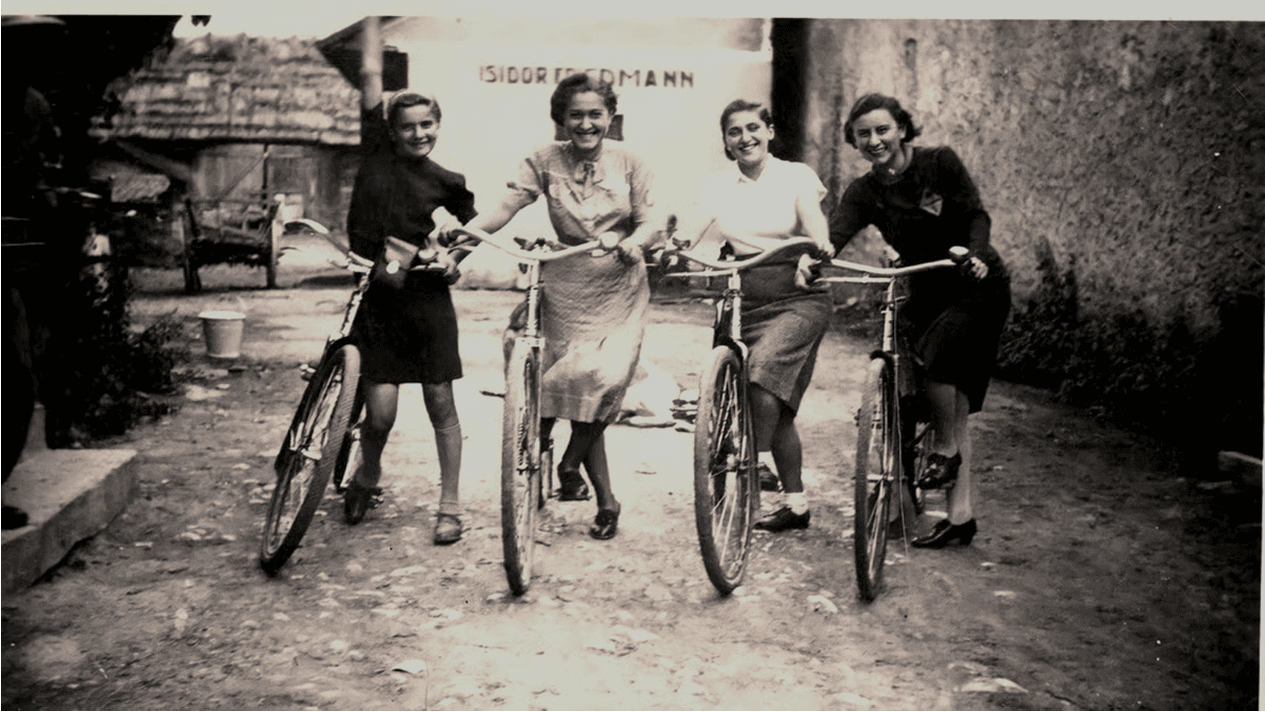
May 3 documentary at SJCC reveals overlooked Shoah women’s history
A still from the “999: The Forgotten Girls” documentary slated to be shown at the SJCC film festival on May 3.
The Jewish World Team
April 23, 2026
Culture
Arts & Entertainment
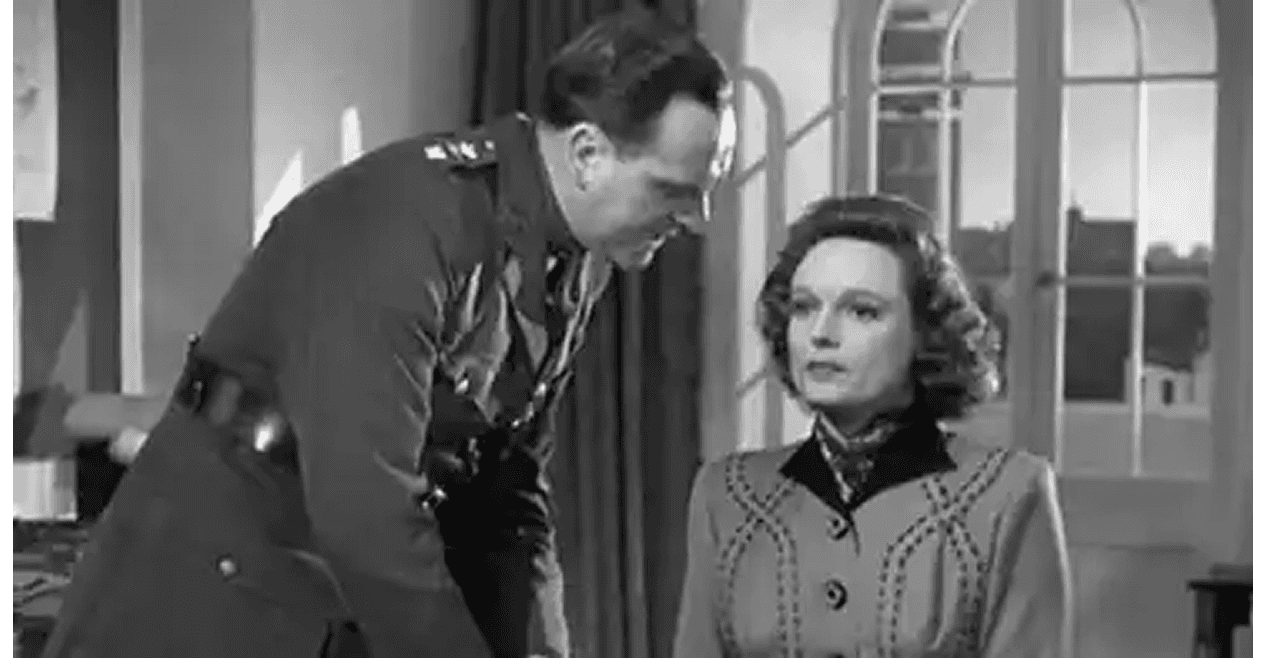
‘Odette,’ screening set for April 12 at Temple Sinai
Screenshot from the movie “Odette.” SARATOGA SPRINGS – Saratoga Jewish Community Arts (SJCA), with a grant from the Jewish Federation of Northeastern…
The Jewish World Team
April 9, 2026
Culture
Arts & Entertainment
Diaries of maverick Rabbi Mordecai Kaplan, founder of Reconstructionist Judaism reviewed in new book
Jenna Weissman Joselit was looking for a project that wasn’t so “heavily freighted” after her book on the American “embrace” of the Ten Commandments…
Menachem Wecker
April 30, 2026
Culture
Arts & Entertainment
May 3 documentary at SJCC reveals overlooked Shoah women’s history
A still from the “999: The Forgotten Girls” documentary slated to be shown at the SJCC film festival on May 3.
The Jewish World Team
April 23, 2026
Culture
Arts & Entertainment
‘Odette,’ screening set for April 12 at Temple Sinai
Screenshot from the movie “Odette.” SARATOGA SPRINGS – Saratoga Jewish Community Arts (SJCA), with a grant from the Jewish Federation of Northeastern…
The Jewish World Team
April 9, 2026

Culture
Arts & Entertainment
The Prague Haggadah, ‘created mold from which Haggadot would be illustrated for years to come’
Lewith emigrated to Charleston, S.C., from Europe in the late 19th century, he brought with him a copy of the Prague Haggadah , printed by Gershom…
Menachem Wecker
March 26, 2026

© 2026 The Jewish World · Since 1965 - The Capital Region's gateway to Jewish life
Designed and Developed by Ta-Da Studios
© 2026 The Jewish World · Since 1965 - The Capital Region's gateway to Jewish life
Designed and Developed by Ta-Da Studios
© 2026 The Jewish World · Since 1965 - The Capital Region's gateway to Jewish life
Designed and Developed by Ta-Da Studios
© 2026 The Jewish World · Since 1965 - The Capital Region's gateway to Jewish life
Designed and Developed by Ta-Da Studios