California calendar marks ‘New Year of the Trees’
California’s Save the Redwoods League annual calendar includes Tu B’Shevat, celebrating both environmental wonders and Jewish tradition.
The Jewish World
3
mins read time
Originally published at
The Jewish World
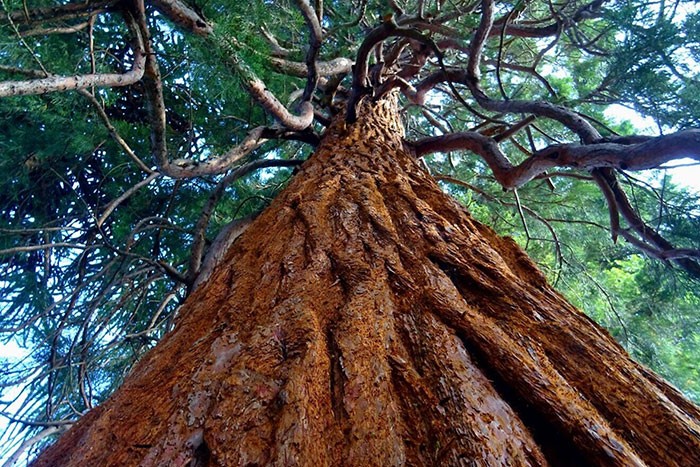
California redwoods. Photo courtesy of SevenStorm Juhaszimrus/Pexels.
America boasts copious environmental marvels, but the redwoods in California tend to top the list. Lonely Planet, for instance, names them first in its “10 of the Best Natural Wonders in the USA” rankings, noting that they can reach a height of 380 feet—the tallest trees in the world and higher than the Statue of Liberty in New York City—and live for up to two millennia.
On the calendar
To showcase their splendor, Save the Redwoods League prints an annual wall calendar for supporters and donors, not unlike similarly sized glossy calendars sent free around the United States and the world. But unlike many others, it includes an annual Jewish tradition: Tu B’Shevat.
The holiday takes place on the 15th day of the Jewish month of Shevat, which this year falls on Feb. 13. Commonly called the “New Year of the Trees” (or Rosh Hashanah La’Ilanot in Hebrew), it marks the earliest time certain trees in Israel begin to emerge after winter. Some Jews celebrate with a seder, when it is customary to nibble on the seven species mentioned in the Torah: wheat, barley, grapes, figs, pomegranates, olives and dates.
Tu B’Shevat has been included in the “Glorious Redwoods Forest” calendar, along with a wide array of holidays, for years—at least since 2018, the organization’s centennial. In that year, the league also organized an event in Golden Gate Park to mark the day.
The iconic redwoods exist naturally only along the California coast, it says, and “have long inspired people from around the world and represent resiliency, the power of nature and simple awe. They are also powerful climate allies, sequestering more carbon per acre than any other forest type in the world.”
ADVERTISEMENT
Fire, other threats
The league pointed out that “only 5% of the original old-growth trees survived the logging of the past 150 years and are now protected, thanks to the work of conservation organizations.”
Multiple fires in the Los Angeles area in January that have burned as much as 60,000 acres of land, in addition to blazes that have destroyed approximately 20,000 acres in northern Israel after Hezbollah started launching rockets and missiles from Lebanon 16 months ago, thrust forests into the news and on the priority lists of government replenishment programs.
The league noted that “it’s important for everyone to understand how important restoration and proactive forest management is in rebuilding resiliency.”
A handful of other calendars with environmental themes and animal habits had no mention of the “New Year of the Trees,” including the National Park Foundation, National Parks Conservation Association, Nature Conservancy, World Wildlife Fund, National Wildlife Federation, Defenders of Wildlife, Ocean Wildlife Calendar and the Sierra Club.
Founded by preservationist John Muir, the Sierra Club does offer an annual trip to Israel (in addition to one to see the redwoods), though it has been postponed due to the multifront war, said a spokesperson. Its most recent visit was in March 2023, six months before the Hamas-led terrorist attacks in southern Israel on Oct. 7, 2023.
Originally published at
The Jewish World
ADVERTISEMENT
California calendar marks ‘New Year of the Trees’
California’s Save the Redwoods League annual calendar includes Tu B’Shevat, celebrating both environmental wonders and Jewish tradition.
The Jewish World
3
mins read time
Originally published at
The Jewish World
California redwoods. Photo courtesy of SevenStorm Juhaszimrus/Pexels.
America boasts copious environmental marvels, but the redwoods in California tend to top the list. Lonely Planet, for instance, names them first in its “10 of the Best Natural Wonders in the USA” rankings, noting that they can reach a height of 380 feet—the tallest trees in the world and higher than the Statue of Liberty in New York City—and live for up to two millennia.
On the calendar
To showcase their splendor, Save the Redwoods League prints an annual wall calendar for supporters and donors, not unlike similarly sized glossy calendars sent free around the United States and the world. But unlike many others, it includes an annual Jewish tradition: Tu B’Shevat.
The holiday takes place on the 15th day of the Jewish month of Shevat, which this year falls on Feb. 13. Commonly called the “New Year of the Trees” (or Rosh Hashanah La’Ilanot in Hebrew), it marks the earliest time certain trees in Israel begin to emerge after winter. Some Jews celebrate with a seder, when it is customary to nibble on the seven species mentioned in the Torah: wheat, barley, grapes, figs, pomegranates, olives and dates.
Tu B’Shevat has been included in the “Glorious Redwoods Forest” calendar, along with a wide array of holidays, for years—at least since 2018, the organization’s centennial. In that year, the league also organized an event in Golden Gate Park to mark the day.
The iconic redwoods exist naturally only along the California coast, it says, and “have long inspired people from around the world and represent resiliency, the power of nature and simple awe. They are also powerful climate allies, sequestering more carbon per acre than any other forest type in the world.”
ADVERTISEMENT
Fire, other threats
The league pointed out that “only 5% of the original old-growth trees survived the logging of the past 150 years and are now protected, thanks to the work of conservation organizations.”
Multiple fires in the Los Angeles area in January that have burned as much as 60,000 acres of land, in addition to blazes that have destroyed approximately 20,000 acres in northern Israel after Hezbollah started launching rockets and missiles from Lebanon 16 months ago, thrust forests into the news and on the priority lists of government replenishment programs.
The league noted that “it’s important for everyone to understand how important restoration and proactive forest management is in rebuilding resiliency.”
A handful of other calendars with environmental themes and animal habits had no mention of the “New Year of the Trees,” including the National Park Foundation, National Parks Conservation Association, Nature Conservancy, World Wildlife Fund, National Wildlife Federation, Defenders of Wildlife, Ocean Wildlife Calendar and the Sierra Club.
Founded by preservationist John Muir, the Sierra Club does offer an annual trip to Israel (in addition to one to see the redwoods), though it has been postponed due to the multifront war, said a spokesperson. Its most recent visit was in March 2023, six months before the Hamas-led terrorist attacks in southern Israel on Oct. 7, 2023.
Originally published at
The Jewish World
ADVERTISEMENT
California calendar marks ‘New Year of the Trees’
California’s Save the Redwoods League annual calendar includes Tu B’Shevat, celebrating both environmental wonders and Jewish tradition.
The Jewish World
3
mins read time
Originally published at
The Jewish World
California redwoods. Photo courtesy of SevenStorm Juhaszimrus/Pexels.
America boasts copious environmental marvels, but the redwoods in California tend to top the list. Lonely Planet, for instance, names them first in its “10 of the Best Natural Wonders in the USA” rankings, noting that they can reach a height of 380 feet—the tallest trees in the world and higher than the Statue of Liberty in New York City—and live for up to two millennia.
On the calendar
To showcase their splendor, Save the Redwoods League prints an annual wall calendar for supporters and donors, not unlike similarly sized glossy calendars sent free around the United States and the world. But unlike many others, it includes an annual Jewish tradition: Tu B’Shevat.
The holiday takes place on the 15th day of the Jewish month of Shevat, which this year falls on Feb. 13. Commonly called the “New Year of the Trees” (or Rosh Hashanah La’Ilanot in Hebrew), it marks the earliest time certain trees in Israel begin to emerge after winter. Some Jews celebrate with a seder, when it is customary to nibble on the seven species mentioned in the Torah: wheat, barley, grapes, figs, pomegranates, olives and dates.
Tu B’Shevat has been included in the “Glorious Redwoods Forest” calendar, along with a wide array of holidays, for years—at least since 2018, the organization’s centennial. In that year, the league also organized an event in Golden Gate Park to mark the day.
The iconic redwoods exist naturally only along the California coast, it says, and “have long inspired people from around the world and represent resiliency, the power of nature and simple awe. They are also powerful climate allies, sequestering more carbon per acre than any other forest type in the world.”
ADVERTISEMENT
Fire, other threats
The league pointed out that “only 5% of the original old-growth trees survived the logging of the past 150 years and are now protected, thanks to the work of conservation organizations.”
Multiple fires in the Los Angeles area in January that have burned as much as 60,000 acres of land, in addition to blazes that have destroyed approximately 20,000 acres in northern Israel after Hezbollah started launching rockets and missiles from Lebanon 16 months ago, thrust forests into the news and on the priority lists of government replenishment programs.
The league noted that “it’s important for everyone to understand how important restoration and proactive forest management is in rebuilding resiliency.”
A handful of other calendars with environmental themes and animal habits had no mention of the “New Year of the Trees,” including the National Park Foundation, National Parks Conservation Association, Nature Conservancy, World Wildlife Fund, National Wildlife Federation, Defenders of Wildlife, Ocean Wildlife Calendar and the Sierra Club.
Founded by preservationist John Muir, the Sierra Club does offer an annual trip to Israel (in addition to one to see the redwoods), though it has been postponed due to the multifront war, said a spokesperson. Its most recent visit was in March 2023, six months before the Hamas-led terrorist attacks in southern Israel on Oct. 7, 2023.
Originally published at
The Jewish World
ADVERTISEMENT
California calendar marks ‘New Year of the Trees’
California’s Save the Redwoods League annual calendar includes Tu B’Shevat, celebrating both environmental wonders and Jewish tradition.
The Jewish World
3
mins read time
Originally published at
The Jewish World
California redwoods. Photo courtesy of SevenStorm Juhaszimrus/Pexels.
America boasts copious environmental marvels, but the redwoods in California tend to top the list. Lonely Planet, for instance, names them first in its “10 of the Best Natural Wonders in the USA” rankings, noting that they can reach a height of 380 feet—the tallest trees in the world and higher than the Statue of Liberty in New York City—and live for up to two millennia.
On the calendar
To showcase their splendor, Save the Redwoods League prints an annual wall calendar for supporters and donors, not unlike similarly sized glossy calendars sent free around the United States and the world. But unlike many others, it includes an annual Jewish tradition: Tu B’Shevat.
The holiday takes place on the 15th day of the Jewish month of Shevat, which this year falls on Feb. 13. Commonly called the “New Year of the Trees” (or Rosh Hashanah La’Ilanot in Hebrew), it marks the earliest time certain trees in Israel begin to emerge after winter. Some Jews celebrate with a seder, when it is customary to nibble on the seven species mentioned in the Torah: wheat, barley, grapes, figs, pomegranates, olives and dates.
Tu B’Shevat has been included in the “Glorious Redwoods Forest” calendar, along with a wide array of holidays, for years—at least since 2018, the organization’s centennial. In that year, the league also organized an event in Golden Gate Park to mark the day.
The iconic redwoods exist naturally only along the California coast, it says, and “have long inspired people from around the world and represent resiliency, the power of nature and simple awe. They are also powerful climate allies, sequestering more carbon per acre than any other forest type in the world.”
ADVERTISEMENT
Fire, other threats
The league pointed out that “only 5% of the original old-growth trees survived the logging of the past 150 years and are now protected, thanks to the work of conservation organizations.”
Multiple fires in the Los Angeles area in January that have burned as much as 60,000 acres of land, in addition to blazes that have destroyed approximately 20,000 acres in northern Israel after Hezbollah started launching rockets and missiles from Lebanon 16 months ago, thrust forests into the news and on the priority lists of government replenishment programs.
The league noted that “it’s important for everyone to understand how important restoration and proactive forest management is in rebuilding resiliency.”
A handful of other calendars with environmental themes and animal habits had no mention of the “New Year of the Trees,” including the National Park Foundation, National Parks Conservation Association, Nature Conservancy, World Wildlife Fund, National Wildlife Federation, Defenders of Wildlife, Ocean Wildlife Calendar and the Sierra Club.
Founded by preservationist John Muir, the Sierra Club does offer an annual trip to Israel (in addition to one to see the redwoods), though it has been postponed due to the multifront war, said a spokesperson. Its most recent visit was in March 2023, six months before the Hamas-led terrorist attacks in southern Israel on Oct. 7, 2023.
ADVERTISEMENT
Originally published at
The Jewish World
ADVERTISEMENT
Related News

Local
Community News
[Past event] Congregation Gates of Heaven invites the community to an open house
Congregation Gates of Heaven hosts an open house and Family Sukkot Celebration on Sept. 25 in Schenectady, with dinner and a family service.
The Jewish World
September 10, 2026
Local
Community News
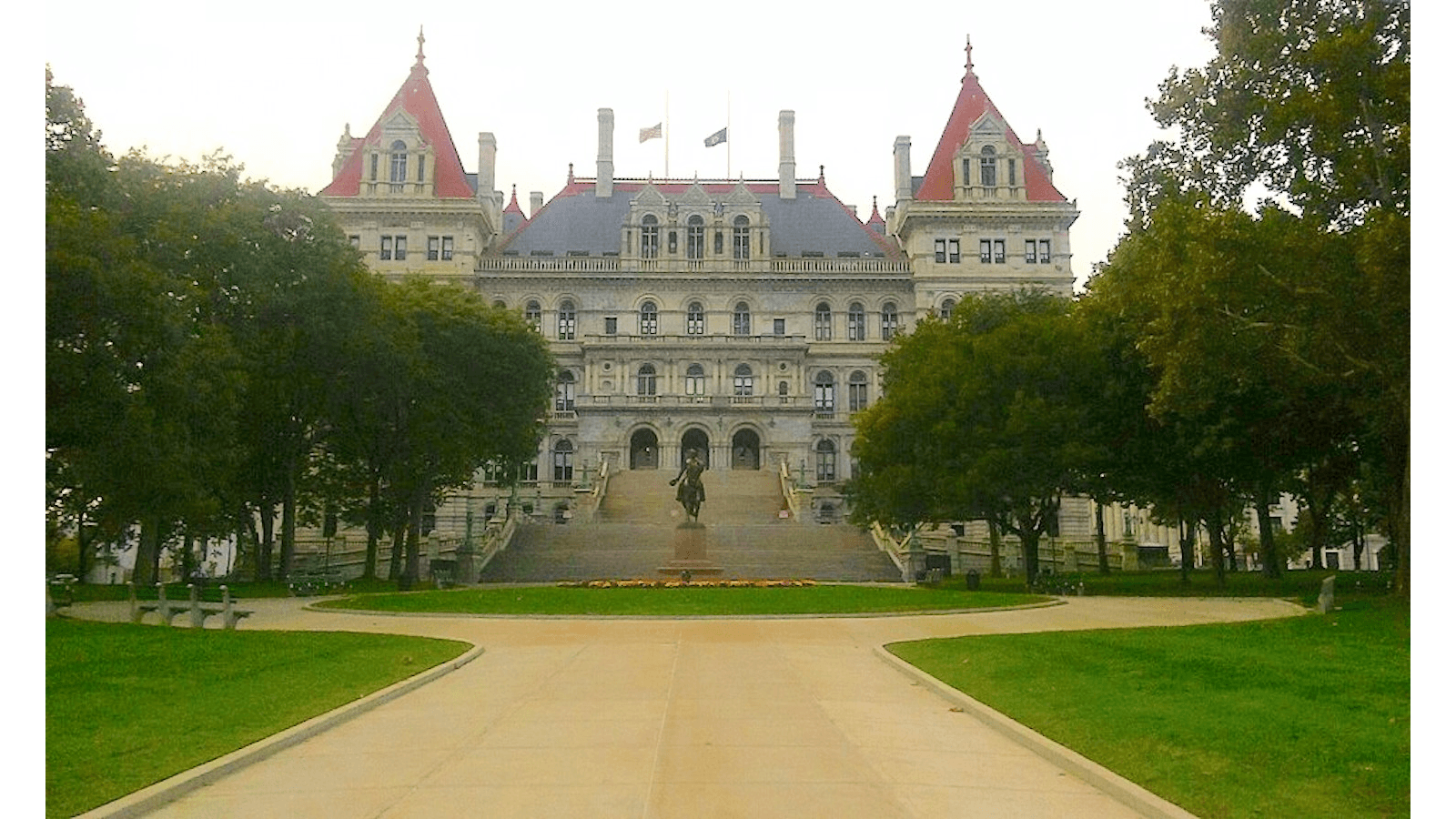
FBI arrests Albany resident in alleged plot to bomb NYS Capitol
An Albany woman was arrested by the FBI on suspicion of plotting to bomb the New York State Capitol and target state senators.
The Jewish World
August 26, 2026

Local
Community News
Iron Dome Coffee’s readers met a $5,000 goal for an IDF unit in a single day
Iron Dome Coffee gives 18 percent of its profits to Israel-related causes. This week its readers went further, clearing a $5,000 resupply goal for one soldier’s unit before the day was out.
The Jewish World
August 13, 2026
Local
Community News
[Past event] Congregation Gates of Heaven invites the community to an open house
Congregation Gates of Heaven hosts an open house and Family Sukkot Celebration on Sept. 25 in Schenectady, with dinner and a family service.
The Jewish World
September 10, 2026
Local
Community News
FBI arrests Albany resident in alleged plot to bomb NYS Capitol
An Albany woman was arrested by the FBI on suspicion of plotting to bomb the New York State Capitol and target state senators.
The Jewish World
August 26, 2026
Local
Community News
Iron Dome Coffee’s readers met a $5,000 goal for an IDF unit in a single day
Iron Dome Coffee gives 18 percent of its profits to Israel-related causes. This week its readers went further, clearing a $5,000 resupply goal for one soldier’s unit before the day was out.
The Jewish World
August 13, 2026

Local
Community News
Columbia County Jewish Festival draws 400 to Hudson
A live concert, kosher food and family activities marked the second annual celebration of Jewish life on Hudson’s riverfront.
The Jewish World
August 3, 2026

© 2026 The Jewish World · Since 1965 - The Capital Region's gateway to Jewish life
Designed and Developed by Ta-Da Studios
© 2026 The Jewish World · Since 1965 - The Capital Region's gateway to Jewish life
Designed and Developed by Ta-Da Studios
© 2026 The Jewish World · Since 1965 - The Capital Region's gateway to Jewish life
Designed and Developed by Ta-Da Studios
© 2026 The Jewish World · Since 1965 - The Capital Region's gateway to Jewish life
Designed and Developed by Ta-Da Studios