‘Earliest known,’ $4 million kiddush cup sold to Ohio museum for four million dollars
The Toledo Museum of Art acquired the earliest known kiddush cup for four million dollars, an 11th-12th century silver artifact with Hebrew and…
JNS
3 mins read
Published by
JNS
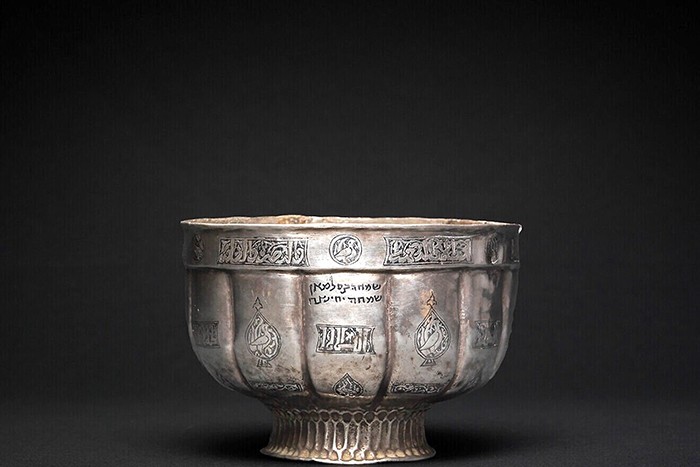
Silver cup with Arabic and Hebrew inscriptions, engraved and inlaid with niello, 3.5 inches tall and circumference of five inches. Eastern Khurasan, 11th-12th century
The Toledo Museum of Art in Ohio acquired what Sotheby’s calls the earliest known kiddush cup, after the auction house sold the object, which set a record for ritual Judaica, for $4 million on Oct. 29.
The silver kiddush cup, which the auction house called the “cup of joy,” has Arabic and Hebrew inscriptions and measures 3.5 inches tall and has a circumference of five inches. It dates to 11th- or 12th-century eastern Khurasan, a part of the Silk Road that includes present-day Afghanistan.
“This extraordinary object deepens our ability to tell a more expansive and inclusive story of human creativity,” stated Adam Levine, director and CEO of the Toledo museum. “We are honored to bring the Cup of Joy into our collection, where it will help illuminate new connections across cultures and deepen visitors’ understanding of the global forces that have shaped artistic expression over time,” he stated.
Sharon Liberman Mintz, the auction house’s international senior Judaica specialist for books and manuscripts, stated that it “has been a true privilege to be entrusted with the sale of this remarkable and historically important object of Judaica.”
“Researching its story and sharing its significance has been a joy, and it is deeply gratifying to see the Toledo Museum of Art recognize its importance and welcome it into such a distinguished collection,” she stated.
According to Sotheby’s, the Hebrew inscription on the cup reads, “Simchah son of Salman. Simchah, may he live for eternity.”
“However, as the name Simchah also means ‘joy,’ there is another possible reading of the second line of the inscription,” it stated. “Joy! May it last for eternity.”
ADVERTISEMENT
One Arabic inscription on the cup states, “Glory and prosperity and wealth and grace and victory and health and contentment and wealth and happiness and health and long life to its owner.” Another says, “with fortune and blessing and joy and joy and happiness.”
The cup features a “rare early pairing of Hebrew and Arabic inscriptions,” Sotheby’s stated. “The kiddush cup represents the richly intertwined histories of Islamic artistry and Jewish tradition.”
According to Sotheby’s, the cup will go on view in Toledo in 2027 in the museum’s “reimagined galleries,” which are being reinstalled now for the first time in more than 40 years.
Very few objects like the cup rare found today. “Many were buried or hidden, often in hoards, during times of unrest or invasion, as, for example, during the conquests of Genghis Khan, while other pieces were lost due to the custom of melting down outdated silver for recycling into newer objects and coinage,” the auction house stated.
“This Silk Road treasure remained hidden for many centuries, until it emerged in a private family collection circa 1956, where it has since remained,” it added.
Sotheby’s added that “interestingly, the Arabic inscription features the blessing of ‘joy’ (surur), written twice,” suggesting that “the master silversmith intentionally duplicated the word to mirror the Hebrew name of the early owner, Simcha, which also translates to joy, appears twice on the cup.”
“This is an object which bridges cultures and constitutes a profound witness to a period of cooperation and openness between people of different faiths,” it said.
The previous record sale of a Judaic ritual object was a Torah ark that sold for $1.6 million in 2014, according to Sotheby’s.
ADVERTISEMENT
‘Earliest known,’ $4 million kiddush cup sold to Ohio museum for four million dollars
The Toledo Museum of Art acquired the earliest known kiddush cup for four million dollars, an 11th-12th century silver artifact with Hebrew and…
JNS
3 mins read
Published by
JNS
Silver cup with Arabic and Hebrew inscriptions, engraved and inlaid with niello, 3.5 inches tall and circumference of five inches. Eastern Khurasan, 11th-12th century
The Toledo Museum of Art in Ohio acquired what Sotheby’s calls the earliest known kiddush cup, after the auction house sold the object, which set a record for ritual Judaica, for $4 million on Oct. 29.
The silver kiddush cup, which the auction house called the “cup of joy,” has Arabic and Hebrew inscriptions and measures 3.5 inches tall and has a circumference of five inches. It dates to 11th- or 12th-century eastern Khurasan, a part of the Silk Road that includes present-day Afghanistan.
“This extraordinary object deepens our ability to tell a more expansive and inclusive story of human creativity,” stated Adam Levine, director and CEO of the Toledo museum. “We are honored to bring the Cup of Joy into our collection, where it will help illuminate new connections across cultures and deepen visitors’ understanding of the global forces that have shaped artistic expression over time,” he stated.
Sharon Liberman Mintz, the auction house’s international senior Judaica specialist for books and manuscripts, stated that it “has been a true privilege to be entrusted with the sale of this remarkable and historically important object of Judaica.”
“Researching its story and sharing its significance has been a joy, and it is deeply gratifying to see the Toledo Museum of Art recognize its importance and welcome it into such a distinguished collection,” she stated.
According to Sotheby’s, the Hebrew inscription on the cup reads, “Simchah son of Salman. Simchah, may he live for eternity.”
“However, as the name Simchah also means ‘joy,’ there is another possible reading of the second line of the inscription,” it stated. “Joy! May it last for eternity.”
ADVERTISEMENT
One Arabic inscription on the cup states, “Glory and prosperity and wealth and grace and victory and health and contentment and wealth and happiness and health and long life to its owner.” Another says, “with fortune and blessing and joy and joy and happiness.”
The cup features a “rare early pairing of Hebrew and Arabic inscriptions,” Sotheby’s stated. “The kiddush cup represents the richly intertwined histories of Islamic artistry and Jewish tradition.”
According to Sotheby’s, the cup will go on view in Toledo in 2027 in the museum’s “reimagined galleries,” which are being reinstalled now for the first time in more than 40 years.
Very few objects like the cup rare found today. “Many were buried or hidden, often in hoards, during times of unrest or invasion, as, for example, during the conquests of Genghis Khan, while other pieces were lost due to the custom of melting down outdated silver for recycling into newer objects and coinage,” the auction house stated.
“This Silk Road treasure remained hidden for many centuries, until it emerged in a private family collection circa 1956, where it has since remained,” it added.
Sotheby’s added that “interestingly, the Arabic inscription features the blessing of ‘joy’ (surur), written twice,” suggesting that “the master silversmith intentionally duplicated the word to mirror the Hebrew name of the early owner, Simcha, which also translates to joy, appears twice on the cup.”
“This is an object which bridges cultures and constitutes a profound witness to a period of cooperation and openness between people of different faiths,” it said.
The previous record sale of a Judaic ritual object was a Torah ark that sold for $1.6 million in 2014, according to Sotheby’s.
ADVERTISEMENT
‘Earliest known,’ $4 million kiddush cup sold to Ohio museum for four million dollars
The Toledo Museum of Art acquired the earliest known kiddush cup for four million dollars, an 11th-12th century silver artifact with Hebrew and…
JNS
3 mins read
Published by
JNS
Silver cup with Arabic and Hebrew inscriptions, engraved and inlaid with niello, 3.5 inches tall and circumference of five inches. Eastern Khurasan, 11th-12th century
The Toledo Museum of Art in Ohio acquired what Sotheby’s calls the earliest known kiddush cup, after the auction house sold the object, which set a record for ritual Judaica, for $4 million on Oct. 29.
The silver kiddush cup, which the auction house called the “cup of joy,” has Arabic and Hebrew inscriptions and measures 3.5 inches tall and has a circumference of five inches. It dates to 11th- or 12th-century eastern Khurasan, a part of the Silk Road that includes present-day Afghanistan.
“This extraordinary object deepens our ability to tell a more expansive and inclusive story of human creativity,” stated Adam Levine, director and CEO of the Toledo museum. “We are honored to bring the Cup of Joy into our collection, where it will help illuminate new connections across cultures and deepen visitors’ understanding of the global forces that have shaped artistic expression over time,” he stated.
Sharon Liberman Mintz, the auction house’s international senior Judaica specialist for books and manuscripts, stated that it “has been a true privilege to be entrusted with the sale of this remarkable and historically important object of Judaica.”
“Researching its story and sharing its significance has been a joy, and it is deeply gratifying to see the Toledo Museum of Art recognize its importance and welcome it into such a distinguished collection,” she stated.
According to Sotheby’s, the Hebrew inscription on the cup reads, “Simchah son of Salman. Simchah, may he live for eternity.”
“However, as the name Simchah also means ‘joy,’ there is another possible reading of the second line of the inscription,” it stated. “Joy! May it last for eternity.”
ADVERTISEMENT
One Arabic inscription on the cup states, “Glory and prosperity and wealth and grace and victory and health and contentment and wealth and happiness and health and long life to its owner.” Another says, “with fortune and blessing and joy and joy and happiness.”
The cup features a “rare early pairing of Hebrew and Arabic inscriptions,” Sotheby’s stated. “The kiddush cup represents the richly intertwined histories of Islamic artistry and Jewish tradition.”
According to Sotheby’s, the cup will go on view in Toledo in 2027 in the museum’s “reimagined galleries,” which are being reinstalled now for the first time in more than 40 years.
Very few objects like the cup rare found today. “Many were buried or hidden, often in hoards, during times of unrest or invasion, as, for example, during the conquests of Genghis Khan, while other pieces were lost due to the custom of melting down outdated silver for recycling into newer objects and coinage,” the auction house stated.
“This Silk Road treasure remained hidden for many centuries, until it emerged in a private family collection circa 1956, where it has since remained,” it added.
Sotheby’s added that “interestingly, the Arabic inscription features the blessing of ‘joy’ (surur), written twice,” suggesting that “the master silversmith intentionally duplicated the word to mirror the Hebrew name of the early owner, Simcha, which also translates to joy, appears twice on the cup.”
“This is an object which bridges cultures and constitutes a profound witness to a period of cooperation and openness between people of different faiths,” it said.
The previous record sale of a Judaic ritual object was a Torah ark that sold for $1.6 million in 2014, according to Sotheby’s.
ADVERTISEMENT
‘Earliest known,’ $4 million kiddush cup sold to Ohio museum for four million dollars
The Toledo Museum of Art acquired the earliest known kiddush cup for four million dollars, an 11th-12th century silver artifact with Hebrew and…
JNS
3 mins read
Published by
JNS
Silver cup with Arabic and Hebrew inscriptions, engraved and inlaid with niello, 3.5 inches tall and circumference of five inches. Eastern Khurasan, 11th-12th century
The Toledo Museum of Art in Ohio acquired what Sotheby’s calls the earliest known kiddush cup, after the auction house sold the object, which set a record for ritual Judaica, for $4 million on Oct. 29.
The silver kiddush cup, which the auction house called the “cup of joy,” has Arabic and Hebrew inscriptions and measures 3.5 inches tall and has a circumference of five inches. It dates to 11th- or 12th-century eastern Khurasan, a part of the Silk Road that includes present-day Afghanistan.
“This extraordinary object deepens our ability to tell a more expansive and inclusive story of human creativity,” stated Adam Levine, director and CEO of the Toledo museum. “We are honored to bring the Cup of Joy into our collection, where it will help illuminate new connections across cultures and deepen visitors’ understanding of the global forces that have shaped artistic expression over time,” he stated.
Sharon Liberman Mintz, the auction house’s international senior Judaica specialist for books and manuscripts, stated that it “has been a true privilege to be entrusted with the sale of this remarkable and historically important object of Judaica.”
“Researching its story and sharing its significance has been a joy, and it is deeply gratifying to see the Toledo Museum of Art recognize its importance and welcome it into such a distinguished collection,” she stated.
According to Sotheby’s, the Hebrew inscription on the cup reads, “Simchah son of Salman. Simchah, may he live for eternity.”
“However, as the name Simchah also means ‘joy,’ there is another possible reading of the second line of the inscription,” it stated. “Joy! May it last for eternity.”
ADVERTISEMENT
One Arabic inscription on the cup states, “Glory and prosperity and wealth and grace and victory and health and contentment and wealth and happiness and health and long life to its owner.” Another says, “with fortune and blessing and joy and joy and happiness.”
The cup features a “rare early pairing of Hebrew and Arabic inscriptions,” Sotheby’s stated. “The kiddush cup represents the richly intertwined histories of Islamic artistry and Jewish tradition.”
According to Sotheby’s, the cup will go on view in Toledo in 2027 in the museum’s “reimagined galleries,” which are being reinstalled now for the first time in more than 40 years.
Very few objects like the cup rare found today. “Many were buried or hidden, often in hoards, during times of unrest or invasion, as, for example, during the conquests of Genghis Khan, while other pieces were lost due to the custom of melting down outdated silver for recycling into newer objects and coinage,” the auction house stated.
“This Silk Road treasure remained hidden for many centuries, until it emerged in a private family collection circa 1956, where it has since remained,” it added.
Sotheby’s added that “interestingly, the Arabic inscription features the blessing of ‘joy’ (surur), written twice,” suggesting that “the master silversmith intentionally duplicated the word to mirror the Hebrew name of the early owner, Simcha, which also translates to joy, appears twice on the cup.”
“This is an object which bridges cultures and constitutes a profound witness to a period of cooperation and openness between people of different faiths,” it said.
The previous record sale of a Judaic ritual object was a Torah ark that sold for $1.6 million in 2014, according to Sotheby’s.
ADVERTISEMENT
Related News

Opinions
Personal Stories
Love letters to Israel
The last time I went to Carnegie Hall to see something Jewish, it didn’t go well.
Karen Lehrman Bloch
March 19, 2026

Opinions
Personal Stories
Israeli UN mission pays tribute to Iranian women on International Women’s Day
The Israeli mission to the United Nations marked International Women’s Day by spotlighting four Iranian women who have spoken out against the…
Mike Wagenheim
March 12, 2026
Opinions
Religion & Philosophy
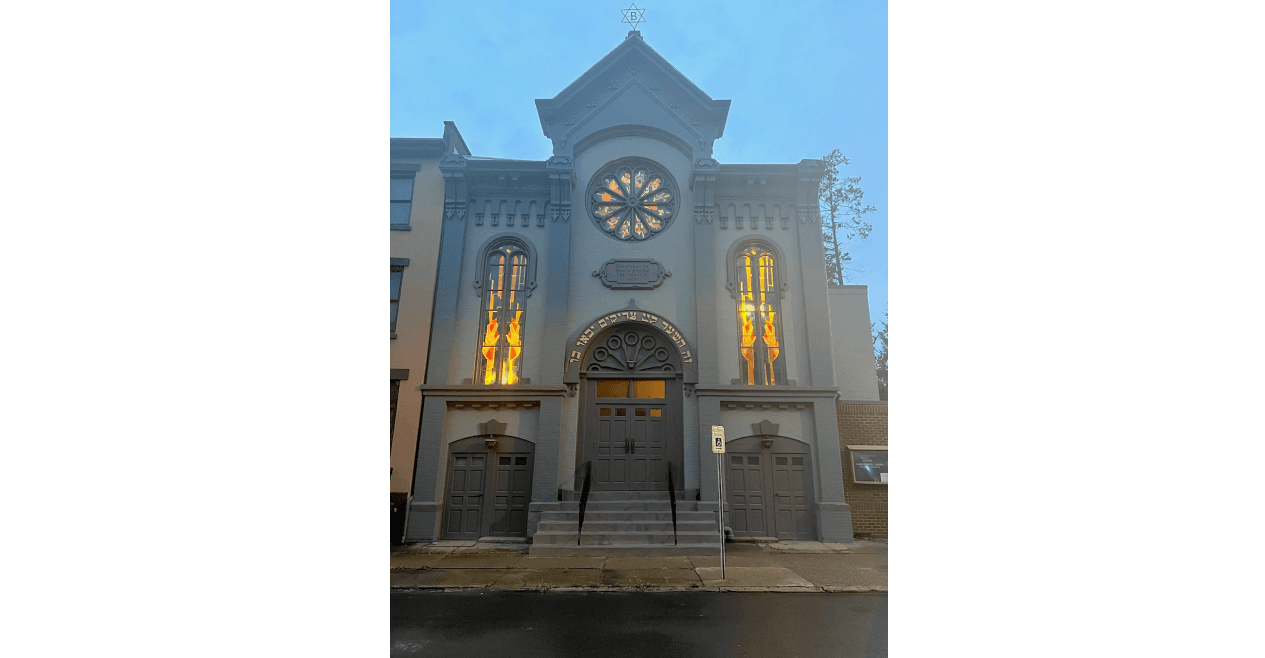
Congregation Berith Sholom to host Founders’ Day service, dinner on March 27
This year’s Founders’ Day Shabbat Service will be held at Berith Sholom Reform Congregation, 167 3rd St., Troy.
The Jewish World Team
March 5, 2026
Opinions
Personal Stories
Love letters to Israel
The last time I went to Carnegie Hall to see something Jewish, it didn’t go well.
Karen Lehrman Bloch
March 19, 2026
Opinions
Personal Stories
Israeli UN mission pays tribute to Iranian women on International Women’s Day
The Israeli mission to the United Nations marked International Women’s Day by spotlighting four Iranian women who have spoken out against the…
Mike Wagenheim
March 12, 2026
Opinions
Religion & Philosophy
Congregation Berith Sholom to host Founders’ Day service, dinner on March 27
This year’s Founders’ Day Shabbat Service will be held at Berith Sholom Reform Congregation, 167 3rd St., Troy.
The Jewish World Team
March 5, 2026
Opinions
Personal Stories
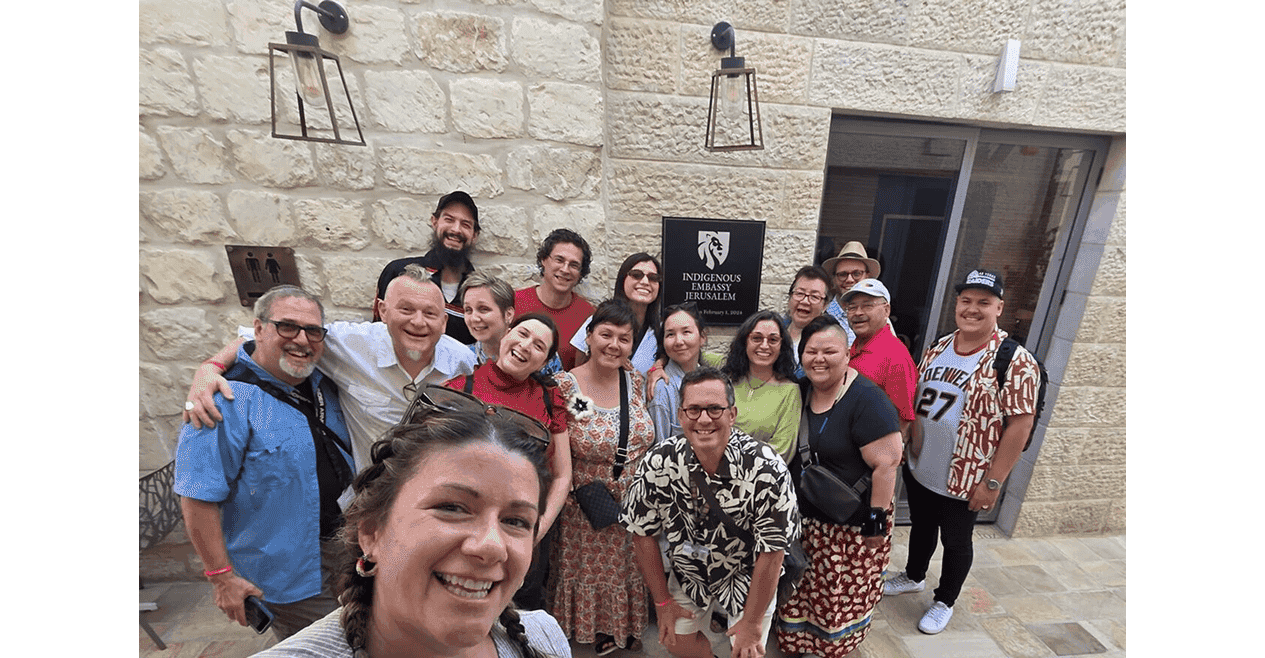
‘When the plane landed, I started crying, it felt like home,’ indigenous Canadian says of Israel
Crystal Lavallee, front left, a filmmaker from the Niagara area in Ontario who is of Métis and Greek descent, with fellow indigenous Canadians in…
The Jewish World Team
February 12, 2026

© 2026 The Jewish World · Since 1965 - The Capital Region's gateway to Jewish life
Designed and Developed by Ta-Da Studios
© 2026 The Jewish World · Since 1965 - The Capital Region's gateway to Jewish life
Designed and Developed by Ta-Da Studios
© 2026 The Jewish World · Since 1965 - The Capital Region's gateway to Jewish life
Designed and Developed by Ta-Da Studios
© 2026 The Jewish World · Since 1965 - The Capital Region's gateway to Jewish life
Designed and Developed by Ta-Da Studios