Iran reaffirms that it will not give up nuclear enrichment
Iran’s foreign minister stated the country will not abandon its uranium enrichment program despite Israeli strikes damaging nuclear facilities.
The Jewish World
2
mins read time
Originally published at
The Jewish World
Iran will not give up its uranium enrichment program, Iranian Foreign Minister Abbas Araghchi said in an interview with Fox News that aired on Monday evening, July 21.
“We cannot give up enrichment because it is an achievement of our own scientists. And now, more than that, it is a question of national pride,” Araghchi told Special Report‘s Bret Baier.
The foreign minister admitted that the Israeli strikes which took place over the course of 12 days in June set back his country’s nuclear program.“Our facilities have been damaged,” Araghchi said. “The extent of which is now under evaluation by our atomic energy organization. But as far as I know, they are seriously damaged.”
The damage has forced Iran to cease all enrichment for the time being, he added.
Responding to the interview, U.S. President Donald Trump posted to his social media platform, Truth Social: “Iran’s Foreign Minister, Abbas Araghchi, on the Iran Nuclear Sites, ‘Damages are very severe, they are destroyed.’ Of course they are, just like I said—and we will do it again, if necessary!”
ADVERTISEMENT
On June 16, the International Atomic Energy Agency (IAEA) said that all of the 15,000 centrifuges operating at Iran’s largest uranium enrichment facility in Natanz had likely been destroyed.
A day before the Israeli attack, on June 12, the IAEA censured Iran, declaring it was not in compliance with its non-proliferation obligations. It was the first time the agency had censured Iran in 20 years. The last time was in 2005. Iran responded with defiance, saying it would “launch a new enrichment center in a secure location and replace the first-generation machines” at another site where it would modernize the equipment.
Just prior to the attack, the IAEA had estimated that Iran has more than 400 kilograms of 60%-enriched uranium—enough for about 10 bombs.
Following the Israeli strike, IAEA chief Rafael Grossi told CBS News on June 28 that some of the enriched uranium may have survived; that Iran retained its “industrial and technological capacities” and could start enriching uranium again “if they so wish.”
However, David Albright, founder and president of the Washington, D.C.-based Institute for Science and International Security, told JNS in early July that while it’s difficult to assess how far back the Israeli strike pushed Iran’s nuclear program, it would be “many years” before the Islamic Republic could launch a nuclear warhead.
Originally published at
The Jewish World
ADVERTISEMENT
Iran reaffirms that it will not give up nuclear enrichment
Iran’s foreign minister stated the country will not abandon its uranium enrichment program despite Israeli strikes damaging nuclear facilities.
The Jewish World
2
mins read time
Originally published at
The Jewish World
Iran will not give up its uranium enrichment program, Iranian Foreign Minister Abbas Araghchi said in an interview with Fox News that aired on Monday evening, July 21.
“We cannot give up enrichment because it is an achievement of our own scientists. And now, more than that, it is a question of national pride,” Araghchi told Special Report‘s Bret Baier.
The foreign minister admitted that the Israeli strikes which took place over the course of 12 days in June set back his country’s nuclear program.“Our facilities have been damaged,” Araghchi said. “The extent of which is now under evaluation by our atomic energy organization. But as far as I know, they are seriously damaged.”
The damage has forced Iran to cease all enrichment for the time being, he added.
Responding to the interview, U.S. President Donald Trump posted to his social media platform, Truth Social: “Iran’s Foreign Minister, Abbas Araghchi, on the Iran Nuclear Sites, ‘Damages are very severe, they are destroyed.’ Of course they are, just like I said—and we will do it again, if necessary!”
ADVERTISEMENT
On June 16, the International Atomic Energy Agency (IAEA) said that all of the 15,000 centrifuges operating at Iran’s largest uranium enrichment facility in Natanz had likely been destroyed.
A day before the Israeli attack, on June 12, the IAEA censured Iran, declaring it was not in compliance with its non-proliferation obligations. It was the first time the agency had censured Iran in 20 years. The last time was in 2005. Iran responded with defiance, saying it would “launch a new enrichment center in a secure location and replace the first-generation machines” at another site where it would modernize the equipment.
Just prior to the attack, the IAEA had estimated that Iran has more than 400 kilograms of 60%-enriched uranium—enough for about 10 bombs.
Following the Israeli strike, IAEA chief Rafael Grossi told CBS News on June 28 that some of the enriched uranium may have survived; that Iran retained its “industrial and technological capacities” and could start enriching uranium again “if they so wish.”
However, David Albright, founder and president of the Washington, D.C.-based Institute for Science and International Security, told JNS in early July that while it’s difficult to assess how far back the Israeli strike pushed Iran’s nuclear program, it would be “many years” before the Islamic Republic could launch a nuclear warhead.
Originally published at
The Jewish World
ADVERTISEMENT
Iran reaffirms that it will not give up nuclear enrichment
Iran’s foreign minister stated the country will not abandon its uranium enrichment program despite Israeli strikes damaging nuclear facilities.
The Jewish World
2
mins read time
Originally published at
The Jewish World
Iran will not give up its uranium enrichment program, Iranian Foreign Minister Abbas Araghchi said in an interview with Fox News that aired on Monday evening, July 21.
“We cannot give up enrichment because it is an achievement of our own scientists. And now, more than that, it is a question of national pride,” Araghchi told Special Report‘s Bret Baier.
The foreign minister admitted that the Israeli strikes which took place over the course of 12 days in June set back his country’s nuclear program.“Our facilities have been damaged,” Araghchi said. “The extent of which is now under evaluation by our atomic energy organization. But as far as I know, they are seriously damaged.”
The damage has forced Iran to cease all enrichment for the time being, he added.
Responding to the interview, U.S. President Donald Trump posted to his social media platform, Truth Social: “Iran’s Foreign Minister, Abbas Araghchi, on the Iran Nuclear Sites, ‘Damages are very severe, they are destroyed.’ Of course they are, just like I said—and we will do it again, if necessary!”
ADVERTISEMENT
On June 16, the International Atomic Energy Agency (IAEA) said that all of the 15,000 centrifuges operating at Iran’s largest uranium enrichment facility in Natanz had likely been destroyed.
A day before the Israeli attack, on June 12, the IAEA censured Iran, declaring it was not in compliance with its non-proliferation obligations. It was the first time the agency had censured Iran in 20 years. The last time was in 2005. Iran responded with defiance, saying it would “launch a new enrichment center in a secure location and replace the first-generation machines” at another site where it would modernize the equipment.
Just prior to the attack, the IAEA had estimated that Iran has more than 400 kilograms of 60%-enriched uranium—enough for about 10 bombs.
Following the Israeli strike, IAEA chief Rafael Grossi told CBS News on June 28 that some of the enriched uranium may have survived; that Iran retained its “industrial and technological capacities” and could start enriching uranium again “if they so wish.”
However, David Albright, founder and president of the Washington, D.C.-based Institute for Science and International Security, told JNS in early July that while it’s difficult to assess how far back the Israeli strike pushed Iran’s nuclear program, it would be “many years” before the Islamic Republic could launch a nuclear warhead.
Originally published at
The Jewish World
ADVERTISEMENT
Iran reaffirms that it will not give up nuclear enrichment
Iran’s foreign minister stated the country will not abandon its uranium enrichment program despite Israeli strikes damaging nuclear facilities.
The Jewish World
2
mins read time
Originally published at
The Jewish World
Iran will not give up its uranium enrichment program, Iranian Foreign Minister Abbas Araghchi said in an interview with Fox News that aired on Monday evening, July 21.
“We cannot give up enrichment because it is an achievement of our own scientists. And now, more than that, it is a question of national pride,” Araghchi told Special Report‘s Bret Baier.
The foreign minister admitted that the Israeli strikes which took place over the course of 12 days in June set back his country’s nuclear program.“Our facilities have been damaged,” Araghchi said. “The extent of which is now under evaluation by our atomic energy organization. But as far as I know, they are seriously damaged.”
The damage has forced Iran to cease all enrichment for the time being, he added.
Responding to the interview, U.S. President Donald Trump posted to his social media platform, Truth Social: “Iran’s Foreign Minister, Abbas Araghchi, on the Iran Nuclear Sites, ‘Damages are very severe, they are destroyed.’ Of course they are, just like I said—and we will do it again, if necessary!”
ADVERTISEMENT
On June 16, the International Atomic Energy Agency (IAEA) said that all of the 15,000 centrifuges operating at Iran’s largest uranium enrichment facility in Natanz had likely been destroyed.
A day before the Israeli attack, on June 12, the IAEA censured Iran, declaring it was not in compliance with its non-proliferation obligations. It was the first time the agency had censured Iran in 20 years. The last time was in 2005. Iran responded with defiance, saying it would “launch a new enrichment center in a secure location and replace the first-generation machines” at another site where it would modernize the equipment.
Just prior to the attack, the IAEA had estimated that Iran has more than 400 kilograms of 60%-enriched uranium—enough for about 10 bombs.
Following the Israeli strike, IAEA chief Rafael Grossi told CBS News on June 28 that some of the enriched uranium may have survived; that Iran retained its “industrial and technological capacities” and could start enriching uranium again “if they so wish.”
However, David Albright, founder and president of the Washington, D.C.-based Institute for Science and International Security, told JNS in early July that while it’s difficult to assess how far back the Israeli strike pushed Iran’s nuclear program, it would be “many years” before the Islamic Republic could launch a nuclear warhead.
ADVERTISEMENT
Originally published at
The Jewish World
ADVERTISEMENT
Related News
World
Israel & Middle East
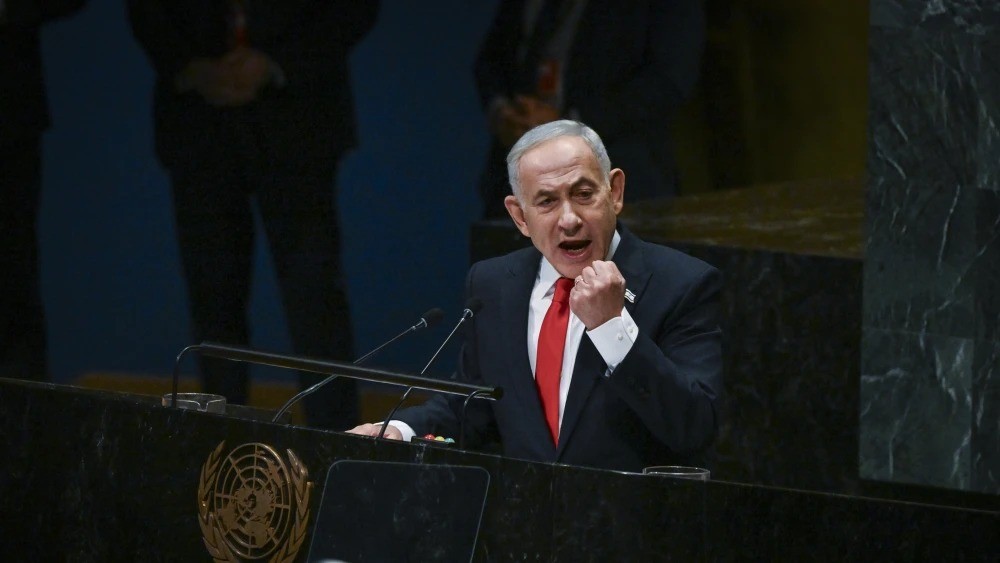
Full text: Netanyahu’s address at the U.N. General Assembly 2026
Read Prime Minister Benjamin Netanyahu’s complete remarks to world leaders in New York, from Iran and Oct. 7 to the fight against antisemitism.
JNS
September 28, 2026
World
Israel & Middle East
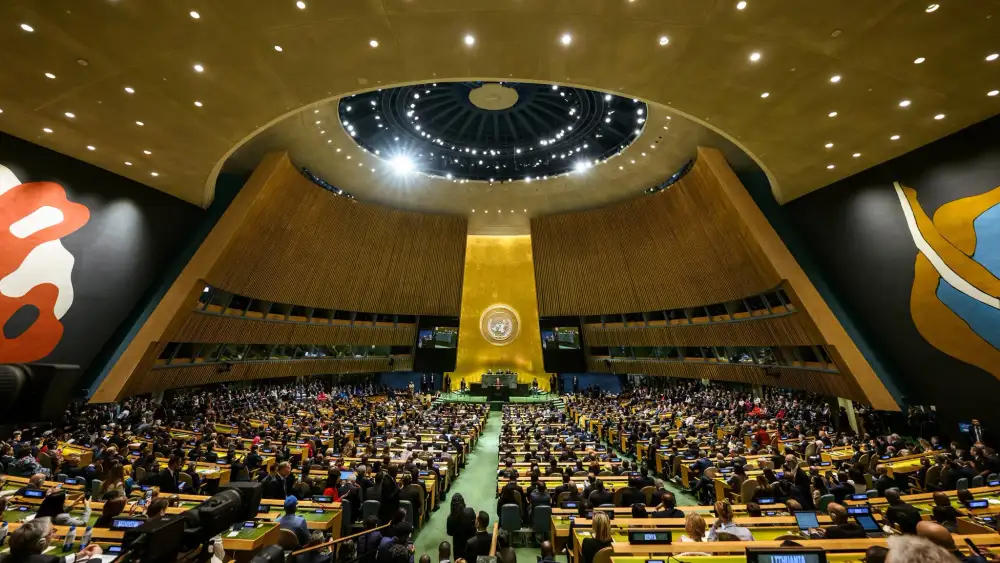
U.S. denies Palestinian representatives again at UN as dispute over ICC, terror payments deepens
The U.S. again barred Palestinian Authority officials from the UN, citing ICC provocations against Israel and unended terror payments.
David Isaac
September 24, 2026

World
Israel & Middle East
Israeli envoy to DC says doctors ‘fighting to save life’ of son after car-ramming attack
Ambassador Yechiel Leiter says his son Neria, wounded in a car-ramming attack in Samaria, needs a miracle as doctors fight to save his life.
Andrew Bernard
September 23, 2026
World
Israel & Middle East
Full text: Netanyahu’s address at the U.N. General Assembly 2026
Read Prime Minister Benjamin Netanyahu’s complete remarks to world leaders in New York, from Iran and Oct. 7 to the fight against antisemitism.
JNS
September 28, 2026
World
Israel & Middle East
U.S. denies Palestinian representatives again at UN as dispute over ICC, terror payments deepens
The U.S. again barred Palestinian Authority officials from the UN, citing ICC provocations against Israel and unended terror payments.
David Isaac
September 24, 2026
World
Israel & Middle East
Israeli envoy to DC says doctors ‘fighting to save life’ of son after car-ramming attack
Ambassador Yechiel Leiter says his son Neria, wounded in a car-ramming attack in Samaria, needs a miracle as doctors fight to save his life.
Andrew Bernard
September 23, 2026
World
Israel & Middle East
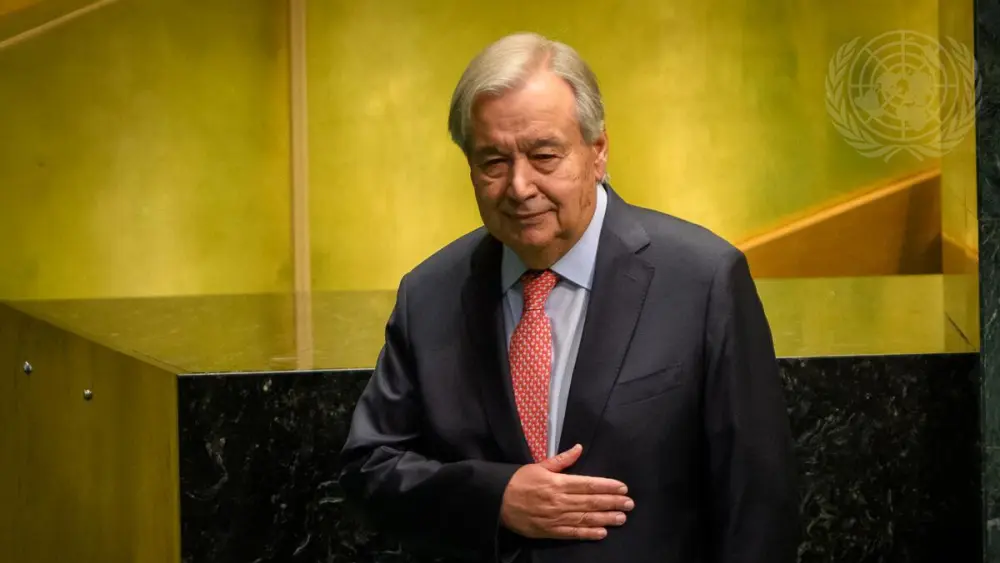
UN head opens G.A., accuses Israel of ‘bulldozing’ road to peace; others also blast Israel
UN chief Guterres accuses Israel of blocking Mideast peace at the General Assembly, as Jordan’s King Abdullah also criticizes Israel’s policies.
Mike Wagenheim
September 23, 2026

© 2026 The Jewish World · Since 1965 - The Capital Region's gateway to Jewish life
Designed and Developed by Ta-Da Studios
© 2026 The Jewish World · Since 1965 - The Capital Region's gateway to Jewish life
Designed and Developed by Ta-Da Studios
© 2026 The Jewish World · Since 1965 - The Capital Region's gateway to Jewish life
Designed and Developed by Ta-Da Studios
© 2026 The Jewish World · Since 1965 - The Capital Region's gateway to Jewish life
Designed and Developed by Ta-Da Studios