Netanyahu announces intensified strikes on Hezbollah; Washington shows support
After a U.S.-brokered ceasefire frayed, Israel signals a sharper phase against Hezbollah, while a senior U.S. official blames the group entirely.
Mike Wagenheim
4 mins read
Published by
JNS
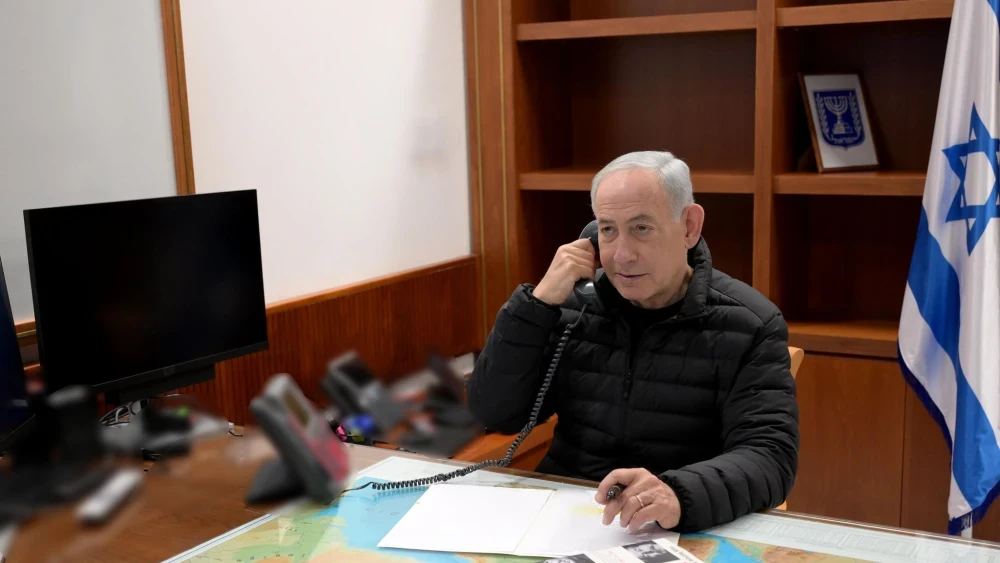
Israeli Prime Minister Benjamin Netanyahu talks to U.S. President Donald Trump in February 2026. Photo courtesy of Avi Ohayon/GPO.
A senior U.S. official on Monday, May 25, blamed the Iran-backed terror group for the necessity of Israeli action in southern Lebanon, after Israeli Prime Minister Benjamin Netanyahu said he'd given the Israeli military authorization to deal Hezbollah "a crushing blow."
Hezbollah controls Lebanon
Hezbollah "has ignored repeated requests to stop firing at Israel," the official said, adding that Israel "will never be expected to passively absorb attacks on its forces and civilians."
The Israeli military conducted a wave of strikes across Lebanon on Monday, including against Hezbollah targets in the Bekaa Valley in Lebanon's east, close to the Syrian border, with Netanyahu stating Jerusalem will intensify its actions.
Israel has largely struck in the south of the country over the last five weeks.
Earlier this month, Israel and Lebanon agreed to extend a U.S.-brokered 45-day ceasefire, though Hezbollah has refused to hold its fire.
"What this requires of us now is to increase the strikes, to increase the intensity," said Netanyahu, announcing that over 600 Hezbollah terrorists had thus far been eliminated. Ten Israeli soldiers have been killed since the initial ceasefire with Lebanon was announced.
Iran's demands
This comes as Iran has reportedly demanded a complete cessation of hostilities by Israel against Hezbollah as part of a broader deal to end Washington's war with Tehran U.S. Secretary of State Marco Rubio insisted on Monday that the two conflicts are to be treated separately. The senior U.S. official said the status quo was "untenable," accusing Hezbollah of trying to "derail ongoing negotiations between Lebanon and Israel."
Israel opposes ending the fighting against Hezbollah, as a fourth round of direct talks between the Israeli and Lebanese governments take place soon in Washington, including discussions on Hezbollah's disarmament, which Beirut says can only take place under ceasefire conditions.
The official put the blame on Hezbollah for the current situation, saying the terror group is "entirely responsible" and "is now intent on denying the Lebanese people a path to peace and reconstruction."
"The idea that the Lebanese government is negotiating directly with Israel and stands to get significant support from the United States, all while Hezbollah is having their narrative of resistance challenged, is an existential threat to Hezbollah," the official said, adding, "A successful ceasefire led by the government of Lebanon would strip Hezbollah of their power and their narrative."
Israeli Foreign Minister Gideon Sa'ar has blamed the Lebanese government for insufficiently pushing Hezbollah north of the strategic Litani River, contrary to a U.N. Security Council resolution.
"Israel's activities in southern Lebanon are solely intended to protect its citizens from Hezbollah attacks and to dismantle the terror kingdom it built there," Sa'ar wrote. "This is the result of the Lebanese government's total failure to uphold its commitments."
ADVERTISEMENT
IDF to expand operations
Netanyahu announced on Tuesday night May 26, that he had ordered the Israel Defense Forces to expand ground operations against Iranian-backed Hezbollah terrorists in Lebanon.
"The IDF is operating with large forces on the ground and seizing dominant terrain. We are fortifying the security zone to protect the communities of the north," the premier said, according to a readout of remarks delivered at a Security Cabinet meeting.
"Concurrently, we are leading a massive national effort to advance creative and innovative solutions against explosive drones," Netanyahu continued. "We back and praise our heroic commanders and soldiers. They are deep in the field. We trust you!"
The announcement came hours after Netanyahu convened Defense Minister Israel Katz and IDF Chief of Staff Lt. Gen. Eyal Zamir for a security assessment at the Kirya military headquarters in Tel Aviv.
In a separate statement on Tuesday night, Netanyahu said the IDF had eliminated some 2,500 Hezbollah terrorists since the terror organization joined the war on Iran's behalf on March 2.
The prime minister noted that since the U.S.-brokered ceasefire with Lebanon took effect on April 17, the military has eliminated 700 Hezbollah operatives in defensive operations, adding that fewer terrorists were killed during the entire Second Lebanon War in 2006.
Air-raid sirens continued to sound in northern Israel on Tuesday night, sending roughly 35,000 residents of 11 border communities scrambling to bomb shelters, as the IDF confirmed that several "suspicious aerial targets" from Lebanon crossed the border in multiple incidents.
The IDF also confirmed that "one projectile that was launched from Lebanon crossed into Israeli territory and fell in an open area." No injuries were reported in the rocket assault.
As part of ground operations in Southern Lebanon, the IDF struck infrastructure used to launch rockets at the Jewish state, it announced on Tuesday.
Iranian-backed Hezbollah began firing rockets and drones at Israel on March 2, following the targeted killing of Iranian Supreme Leader Ali Khamenei during the opening stages of "Operation Roaring Lion" on Feb. 28.
In response, Israel launched a broad aerial campaign against Hezbollah targets and expanded military operations in Southern Lebanon aimed at preventing cross-border attacks on Israeli communities.
"The IDF continues to strike Hezbollah terrorists and infrastructure in Southern Lebanon," said the military.
ADVERTISEMENT
Netanyahu announces intensified strikes on Hezbollah; Washington shows support
After a U.S.-brokered ceasefire frayed, Israel signals a sharper phase against Hezbollah, while a senior U.S. official blames the group entirely.
Mike Wagenheim
4 mins read
Published by
JNS
Israeli Prime Minister Benjamin Netanyahu talks to U.S. President Donald Trump in February 2026. Photo courtesy of Avi Ohayon/GPO.
A senior U.S. official on Monday, May 25, blamed the Iran-backed terror group for the necessity of Israeli action in southern Lebanon, after Israeli Prime Minister Benjamin Netanyahu said he'd given the Israeli military authorization to deal Hezbollah "a crushing blow."
Hezbollah controls Lebanon
Hezbollah "has ignored repeated requests to stop firing at Israel," the official said, adding that Israel "will never be expected to passively absorb attacks on its forces and civilians."
The Israeli military conducted a wave of strikes across Lebanon on Monday, including against Hezbollah targets in the Bekaa Valley in Lebanon's east, close to the Syrian border, with Netanyahu stating Jerusalem will intensify its actions.
Israel has largely struck in the south of the country over the last five weeks.
Earlier this month, Israel and Lebanon agreed to extend a U.S.-brokered 45-day ceasefire, though Hezbollah has refused to hold its fire.
"What this requires of us now is to increase the strikes, to increase the intensity," said Netanyahu, announcing that over 600 Hezbollah terrorists had thus far been eliminated. Ten Israeli soldiers have been killed since the initial ceasefire with Lebanon was announced.
Iran's demands
This comes as Iran has reportedly demanded a complete cessation of hostilities by Israel against Hezbollah as part of a broader deal to end Washington's war with Tehran U.S. Secretary of State Marco Rubio insisted on Monday that the two conflicts are to be treated separately. The senior U.S. official said the status quo was "untenable," accusing Hezbollah of trying to "derail ongoing negotiations between Lebanon and Israel."
Israel opposes ending the fighting against Hezbollah, as a fourth round of direct talks between the Israeli and Lebanese governments take place soon in Washington, including discussions on Hezbollah's disarmament, which Beirut says can only take place under ceasefire conditions.
The official put the blame on Hezbollah for the current situation, saying the terror group is "entirely responsible" and "is now intent on denying the Lebanese people a path to peace and reconstruction."
"The idea that the Lebanese government is negotiating directly with Israel and stands to get significant support from the United States, all while Hezbollah is having their narrative of resistance challenged, is an existential threat to Hezbollah," the official said, adding, "A successful ceasefire led by the government of Lebanon would strip Hezbollah of their power and their narrative."
Israeli Foreign Minister Gideon Sa'ar has blamed the Lebanese government for insufficiently pushing Hezbollah north of the strategic Litani River, contrary to a U.N. Security Council resolution.
"Israel's activities in southern Lebanon are solely intended to protect its citizens from Hezbollah attacks and to dismantle the terror kingdom it built there," Sa'ar wrote. "This is the result of the Lebanese government's total failure to uphold its commitments."
ADVERTISEMENT
IDF to expand operations
Netanyahu announced on Tuesday night May 26, that he had ordered the Israel Defense Forces to expand ground operations against Iranian-backed Hezbollah terrorists in Lebanon.
"The IDF is operating with large forces on the ground and seizing dominant terrain. We are fortifying the security zone to protect the communities of the north," the premier said, according to a readout of remarks delivered at a Security Cabinet meeting.
"Concurrently, we are leading a massive national effort to advance creative and innovative solutions against explosive drones," Netanyahu continued. "We back and praise our heroic commanders and soldiers. They are deep in the field. We trust you!"
The announcement came hours after Netanyahu convened Defense Minister Israel Katz and IDF Chief of Staff Lt. Gen. Eyal Zamir for a security assessment at the Kirya military headquarters in Tel Aviv.
In a separate statement on Tuesday night, Netanyahu said the IDF had eliminated some 2,500 Hezbollah terrorists since the terror organization joined the war on Iran's behalf on March 2.
The prime minister noted that since the U.S.-brokered ceasefire with Lebanon took effect on April 17, the military has eliminated 700 Hezbollah operatives in defensive operations, adding that fewer terrorists were killed during the entire Second Lebanon War in 2006.
Air-raid sirens continued to sound in northern Israel on Tuesday night, sending roughly 35,000 residents of 11 border communities scrambling to bomb shelters, as the IDF confirmed that several "suspicious aerial targets" from Lebanon crossed the border in multiple incidents.
The IDF also confirmed that "one projectile that was launched from Lebanon crossed into Israeli territory and fell in an open area." No injuries were reported in the rocket assault.
As part of ground operations in Southern Lebanon, the IDF struck infrastructure used to launch rockets at the Jewish state, it announced on Tuesday.
Iranian-backed Hezbollah began firing rockets and drones at Israel on March 2, following the targeted killing of Iranian Supreme Leader Ali Khamenei during the opening stages of "Operation Roaring Lion" on Feb. 28.
In response, Israel launched a broad aerial campaign against Hezbollah targets and expanded military operations in Southern Lebanon aimed at preventing cross-border attacks on Israeli communities.
"The IDF continues to strike Hezbollah terrorists and infrastructure in Southern Lebanon," said the military.
ADVERTISEMENT
Netanyahu announces intensified strikes on Hezbollah; Washington shows support
After a U.S.-brokered ceasefire frayed, Israel signals a sharper phase against Hezbollah, while a senior U.S. official blames the group entirely.
Mike Wagenheim
4 mins read
Published by
JNS
Israeli Prime Minister Benjamin Netanyahu talks to U.S. President Donald Trump in February 2026. Photo courtesy of Avi Ohayon/GPO.
A senior U.S. official on Monday, May 25, blamed the Iran-backed terror group for the necessity of Israeli action in southern Lebanon, after Israeli Prime Minister Benjamin Netanyahu said he'd given the Israeli military authorization to deal Hezbollah "a crushing blow."
Hezbollah controls Lebanon
Hezbollah "has ignored repeated requests to stop firing at Israel," the official said, adding that Israel "will never be expected to passively absorb attacks on its forces and civilians."
The Israeli military conducted a wave of strikes across Lebanon on Monday, including against Hezbollah targets in the Bekaa Valley in Lebanon's east, close to the Syrian border, with Netanyahu stating Jerusalem will intensify its actions.
Israel has largely struck in the south of the country over the last five weeks.
Earlier this month, Israel and Lebanon agreed to extend a U.S.-brokered 45-day ceasefire, though Hezbollah has refused to hold its fire.
"What this requires of us now is to increase the strikes, to increase the intensity," said Netanyahu, announcing that over 600 Hezbollah terrorists had thus far been eliminated. Ten Israeli soldiers have been killed since the initial ceasefire with Lebanon was announced.
Iran's demands
This comes as Iran has reportedly demanded a complete cessation of hostilities by Israel against Hezbollah as part of a broader deal to end Washington's war with Tehran U.S. Secretary of State Marco Rubio insisted on Monday that the two conflicts are to be treated separately. The senior U.S. official said the status quo was "untenable," accusing Hezbollah of trying to "derail ongoing negotiations between Lebanon and Israel."
Israel opposes ending the fighting against Hezbollah, as a fourth round of direct talks between the Israeli and Lebanese governments take place soon in Washington, including discussions on Hezbollah's disarmament, which Beirut says can only take place under ceasefire conditions.
The official put the blame on Hezbollah for the current situation, saying the terror group is "entirely responsible" and "is now intent on denying the Lebanese people a path to peace and reconstruction."
"The idea that the Lebanese government is negotiating directly with Israel and stands to get significant support from the United States, all while Hezbollah is having their narrative of resistance challenged, is an existential threat to Hezbollah," the official said, adding, "A successful ceasefire led by the government of Lebanon would strip Hezbollah of their power and their narrative."
Israeli Foreign Minister Gideon Sa'ar has blamed the Lebanese government for insufficiently pushing Hezbollah north of the strategic Litani River, contrary to a U.N. Security Council resolution.
"Israel's activities in southern Lebanon are solely intended to protect its citizens from Hezbollah attacks and to dismantle the terror kingdom it built there," Sa'ar wrote. "This is the result of the Lebanese government's total failure to uphold its commitments."
ADVERTISEMENT
IDF to expand operations
Netanyahu announced on Tuesday night May 26, that he had ordered the Israel Defense Forces to expand ground operations against Iranian-backed Hezbollah terrorists in Lebanon.
"The IDF is operating with large forces on the ground and seizing dominant terrain. We are fortifying the security zone to protect the communities of the north," the premier said, according to a readout of remarks delivered at a Security Cabinet meeting.
"Concurrently, we are leading a massive national effort to advance creative and innovative solutions against explosive drones," Netanyahu continued. "We back and praise our heroic commanders and soldiers. They are deep in the field. We trust you!"
The announcement came hours after Netanyahu convened Defense Minister Israel Katz and IDF Chief of Staff Lt. Gen. Eyal Zamir for a security assessment at the Kirya military headquarters in Tel Aviv.
In a separate statement on Tuesday night, Netanyahu said the IDF had eliminated some 2,500 Hezbollah terrorists since the terror organization joined the war on Iran's behalf on March 2.
The prime minister noted that since the U.S.-brokered ceasefire with Lebanon took effect on April 17, the military has eliminated 700 Hezbollah operatives in defensive operations, adding that fewer terrorists were killed during the entire Second Lebanon War in 2006.
Air-raid sirens continued to sound in northern Israel on Tuesday night, sending roughly 35,000 residents of 11 border communities scrambling to bomb shelters, as the IDF confirmed that several "suspicious aerial targets" from Lebanon crossed the border in multiple incidents.
The IDF also confirmed that "one projectile that was launched from Lebanon crossed into Israeli territory and fell in an open area." No injuries were reported in the rocket assault.
As part of ground operations in Southern Lebanon, the IDF struck infrastructure used to launch rockets at the Jewish state, it announced on Tuesday.
Iranian-backed Hezbollah began firing rockets and drones at Israel on March 2, following the targeted killing of Iranian Supreme Leader Ali Khamenei during the opening stages of "Operation Roaring Lion" on Feb. 28.
In response, Israel launched a broad aerial campaign against Hezbollah targets and expanded military operations in Southern Lebanon aimed at preventing cross-border attacks on Israeli communities.
"The IDF continues to strike Hezbollah terrorists and infrastructure in Southern Lebanon," said the military.
ADVERTISEMENT
Netanyahu announces intensified strikes on Hezbollah; Washington shows support
After a U.S.-brokered ceasefire frayed, Israel signals a sharper phase against Hezbollah, while a senior U.S. official blames the group entirely.
Mike Wagenheim
4 mins read
Published by
JNS
Israeli Prime Minister Benjamin Netanyahu talks to U.S. President Donald Trump in February 2026. Photo courtesy of Avi Ohayon/GPO.
A senior U.S. official on Monday, May 25, blamed the Iran-backed terror group for the necessity of Israeli action in southern Lebanon, after Israeli Prime Minister Benjamin Netanyahu said he'd given the Israeli military authorization to deal Hezbollah "a crushing blow."
Hezbollah controls Lebanon
Hezbollah "has ignored repeated requests to stop firing at Israel," the official said, adding that Israel "will never be expected to passively absorb attacks on its forces and civilians."
The Israeli military conducted a wave of strikes across Lebanon on Monday, including against Hezbollah targets in the Bekaa Valley in Lebanon's east, close to the Syrian border, with Netanyahu stating Jerusalem will intensify its actions.
Israel has largely struck in the south of the country over the last five weeks.
Earlier this month, Israel and Lebanon agreed to extend a U.S.-brokered 45-day ceasefire, though Hezbollah has refused to hold its fire.
"What this requires of us now is to increase the strikes, to increase the intensity," said Netanyahu, announcing that over 600 Hezbollah terrorists had thus far been eliminated. Ten Israeli soldiers have been killed since the initial ceasefire with Lebanon was announced.
Iran's demands
This comes as Iran has reportedly demanded a complete cessation of hostilities by Israel against Hezbollah as part of a broader deal to end Washington's war with Tehran U.S. Secretary of State Marco Rubio insisted on Monday that the two conflicts are to be treated separately. The senior U.S. official said the status quo was "untenable," accusing Hezbollah of trying to "derail ongoing negotiations between Lebanon and Israel."
Israel opposes ending the fighting against Hezbollah, as a fourth round of direct talks between the Israeli and Lebanese governments take place soon in Washington, including discussions on Hezbollah's disarmament, which Beirut says can only take place under ceasefire conditions.
The official put the blame on Hezbollah for the current situation, saying the terror group is "entirely responsible" and "is now intent on denying the Lebanese people a path to peace and reconstruction."
"The idea that the Lebanese government is negotiating directly with Israel and stands to get significant support from the United States, all while Hezbollah is having their narrative of resistance challenged, is an existential threat to Hezbollah," the official said, adding, "A successful ceasefire led by the government of Lebanon would strip Hezbollah of their power and their narrative."
Israeli Foreign Minister Gideon Sa'ar has blamed the Lebanese government for insufficiently pushing Hezbollah north of the strategic Litani River, contrary to a U.N. Security Council resolution.
"Israel's activities in southern Lebanon are solely intended to protect its citizens from Hezbollah attacks and to dismantle the terror kingdom it built there," Sa'ar wrote. "This is the result of the Lebanese government's total failure to uphold its commitments."
ADVERTISEMENT
IDF to expand operations
Netanyahu announced on Tuesday night May 26, that he had ordered the Israel Defense Forces to expand ground operations against Iranian-backed Hezbollah terrorists in Lebanon.
"The IDF is operating with large forces on the ground and seizing dominant terrain. We are fortifying the security zone to protect the communities of the north," the premier said, according to a readout of remarks delivered at a Security Cabinet meeting.
"Concurrently, we are leading a massive national effort to advance creative and innovative solutions against explosive drones," Netanyahu continued. "We back and praise our heroic commanders and soldiers. They are deep in the field. We trust you!"
The announcement came hours after Netanyahu convened Defense Minister Israel Katz and IDF Chief of Staff Lt. Gen. Eyal Zamir for a security assessment at the Kirya military headquarters in Tel Aviv.
In a separate statement on Tuesday night, Netanyahu said the IDF had eliminated some 2,500 Hezbollah terrorists since the terror organization joined the war on Iran's behalf on March 2.
The prime minister noted that since the U.S.-brokered ceasefire with Lebanon took effect on April 17, the military has eliminated 700 Hezbollah operatives in defensive operations, adding that fewer terrorists were killed during the entire Second Lebanon War in 2006.
Air-raid sirens continued to sound in northern Israel on Tuesday night, sending roughly 35,000 residents of 11 border communities scrambling to bomb shelters, as the IDF confirmed that several "suspicious aerial targets" from Lebanon crossed the border in multiple incidents.
The IDF also confirmed that "one projectile that was launched from Lebanon crossed into Israeli territory and fell in an open area." No injuries were reported in the rocket assault.
As part of ground operations in Southern Lebanon, the IDF struck infrastructure used to launch rockets at the Jewish state, it announced on Tuesday.
Iranian-backed Hezbollah began firing rockets and drones at Israel on March 2, following the targeted killing of Iranian Supreme Leader Ali Khamenei during the opening stages of "Operation Roaring Lion" on Feb. 28.
In response, Israel launched a broad aerial campaign against Hezbollah targets and expanded military operations in Southern Lebanon aimed at preventing cross-border attacks on Israeli communities.
"The IDF continues to strike Hezbollah terrorists and infrastructure in Southern Lebanon," said the military.
ADVERTISEMENT
Related News
World
U.S. / National
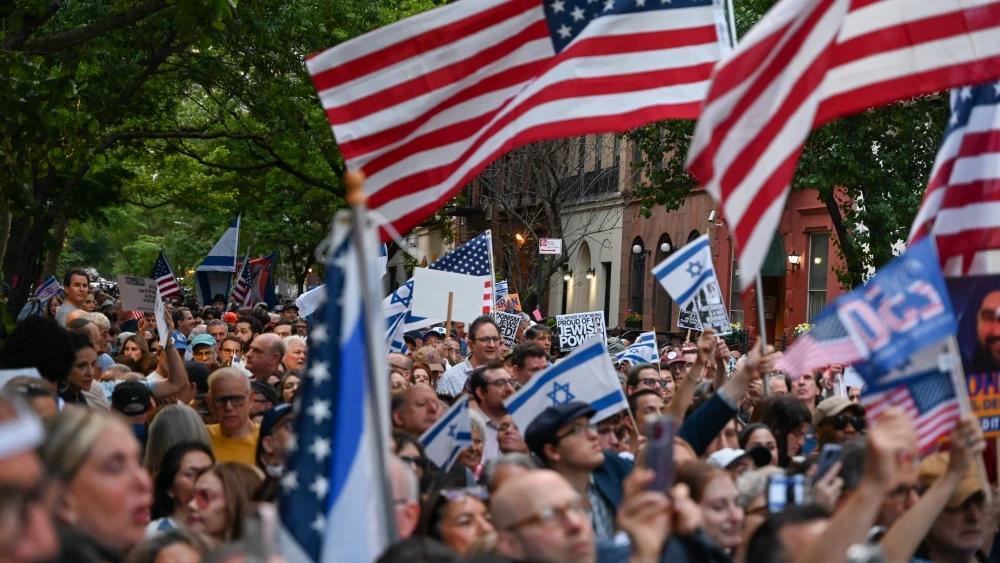
Jews, others protest NYC mayor at Gracie Mansion
Hundreds gather near Gracie Mansion as a Jewish-led coalition presses Gov. Hochul to use a rarely invoked power against Mayor Mamdani.
Debra Nussbaum Cohen
May 27, 2026
World
Israel & Middle East
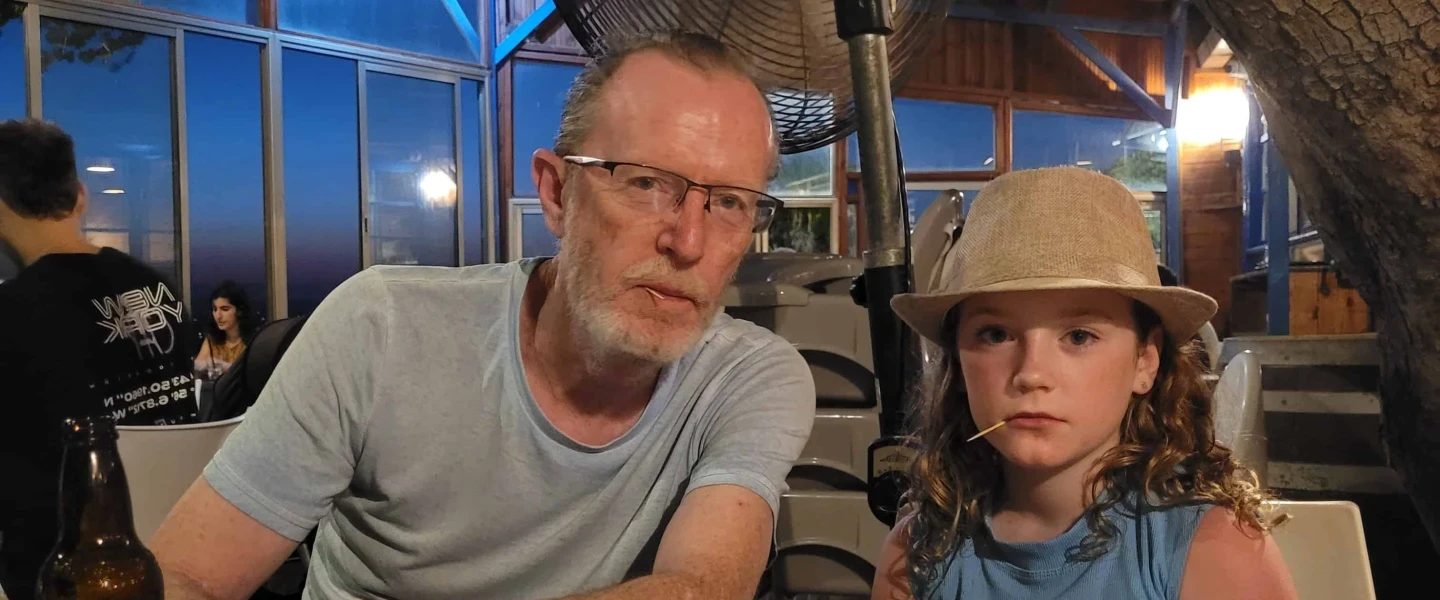
From Gaza captivity to a new beginning, Emily Hand and father prepare to return to kibbutz
Nearly three years after 50 days as a Hamas hostage, an 11-year-old and her father weigh what going home to Be'eri now means.
Amelie Botbol
May 27, 2026

World
Israel & Middle East
Israel's Noam Bettan places second behind Bulgaria at Eurovision
Noam Bettan ended his trilingual "Michelle" with "Am Yisrael Chai" before 160 million viewers, defying boos and a five-country boycott.
Steve Linde
May 21, 2026
World
U.S. / National
Jews, others protest NYC mayor at Gracie Mansion
Hundreds gather near Gracie Mansion as a Jewish-led coalition presses Gov. Hochul to use a rarely invoked power against Mayor Mamdani.
Debra Nussbaum Cohen
May 27, 2026
World
Israel & Middle East
From Gaza captivity to a new beginning, Emily Hand and father prepare to return to kibbutz
Nearly three years after 50 days as a Hamas hostage, an 11-year-old and her father weigh what going home to Be'eri now means.
Amelie Botbol
May 27, 2026
World
Israel & Middle East
Israel's Noam Bettan places second behind Bulgaria at Eurovision
Noam Bettan ended his trilingual "Michelle" with "Am Yisrael Chai" before 160 million viewers, defying boos and a five-country boycott.
Steve Linde
May 21, 2026
World
U.S. / National
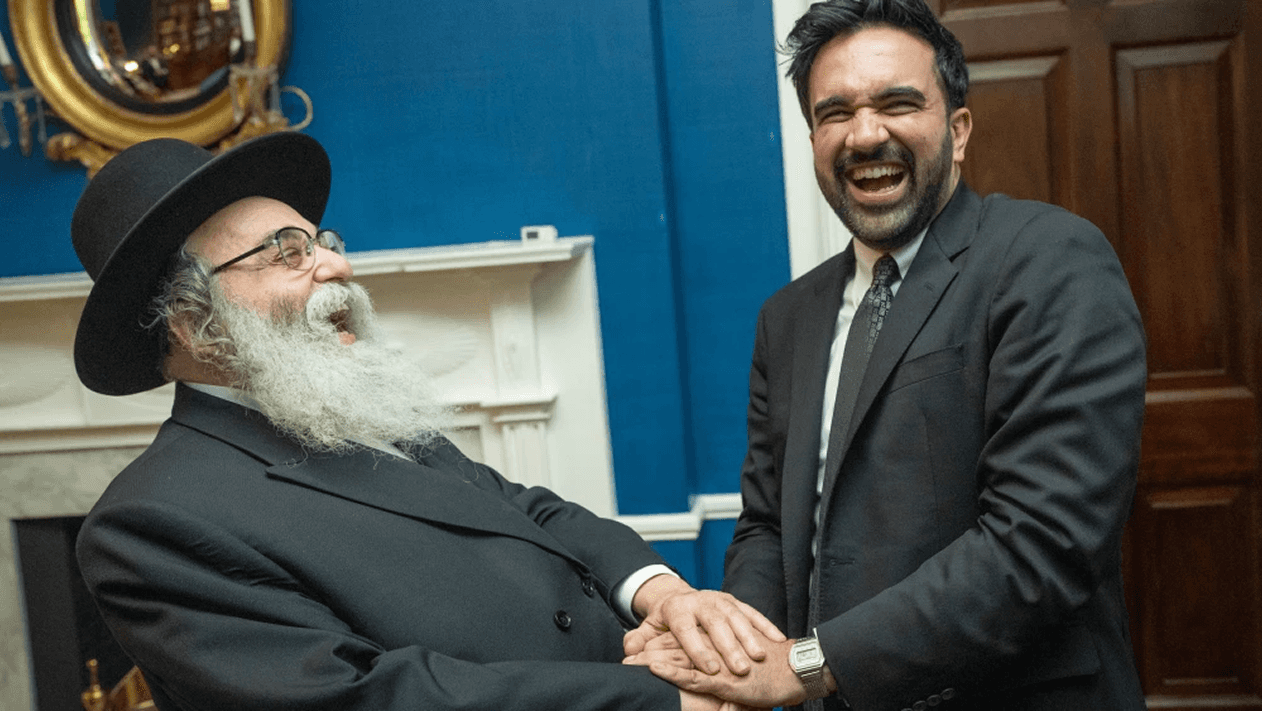
At NYC Jewish American Heritage Month reception, Mayor Mamdani pledges $26 million to fight hate crimes
Every major NYC Jewish group boycotted Mayor Mamdani's Heritage Month reception. Rabbi Irwin Kula stayed to give the invocation.
JNS
May 21, 2026

© 2026 The Jewish World · Since 1965 - The Capital Region's gateway to Jewish life
Designed and Developed by Ta-Da Studios
© 2026 The Jewish World · Since 1965 - The Capital Region's gateway to Jewish life
Designed and Developed by Ta-Da Studios
© 2026 The Jewish World · Since 1965 - The Capital Region's gateway to Jewish life
Designed and Developed by Ta-Da Studios
© 2026 The Jewish World · Since 1965 - The Capital Region's gateway to Jewish life
Designed and Developed by Ta-Da Studios