Albany author Sophie Panzer’s first novel blends Jewish magical realism and existential questions
Mindy the Book Yenta reviews Albany author Sophie Panzer’s debut novel, Son of Sasha, which blends Jewish magical realism with life after Oct. 7.
Mindy Holland
6
mins read time
Originally published at
The Jewish World

Albany author Sophie Panzer, whose debut novel Son of Sasha blends Jewish magical realism with post-Oct. 7 identity questions.
Mindy ‘the Book Yenta’ Holland
Sophie Panzer
Being Jewish today
Albany’s Panzer combines in first novel
Jewish magical realism, existential questions
By MINDY HOLLAND
(“Mindy the Book Yenta”)
I’ve always loved recommending books. Nothing makes me happier than suggesting a title and hearing that someone loved it as much as I did. That’s why I call myself Mindy the Book Yenta. Every book I review earns up to five stars—and up to five Jewish stars (the six-pointed kind).
Son of Sasha by Capital Region author Sophie Panzer earns five of each.
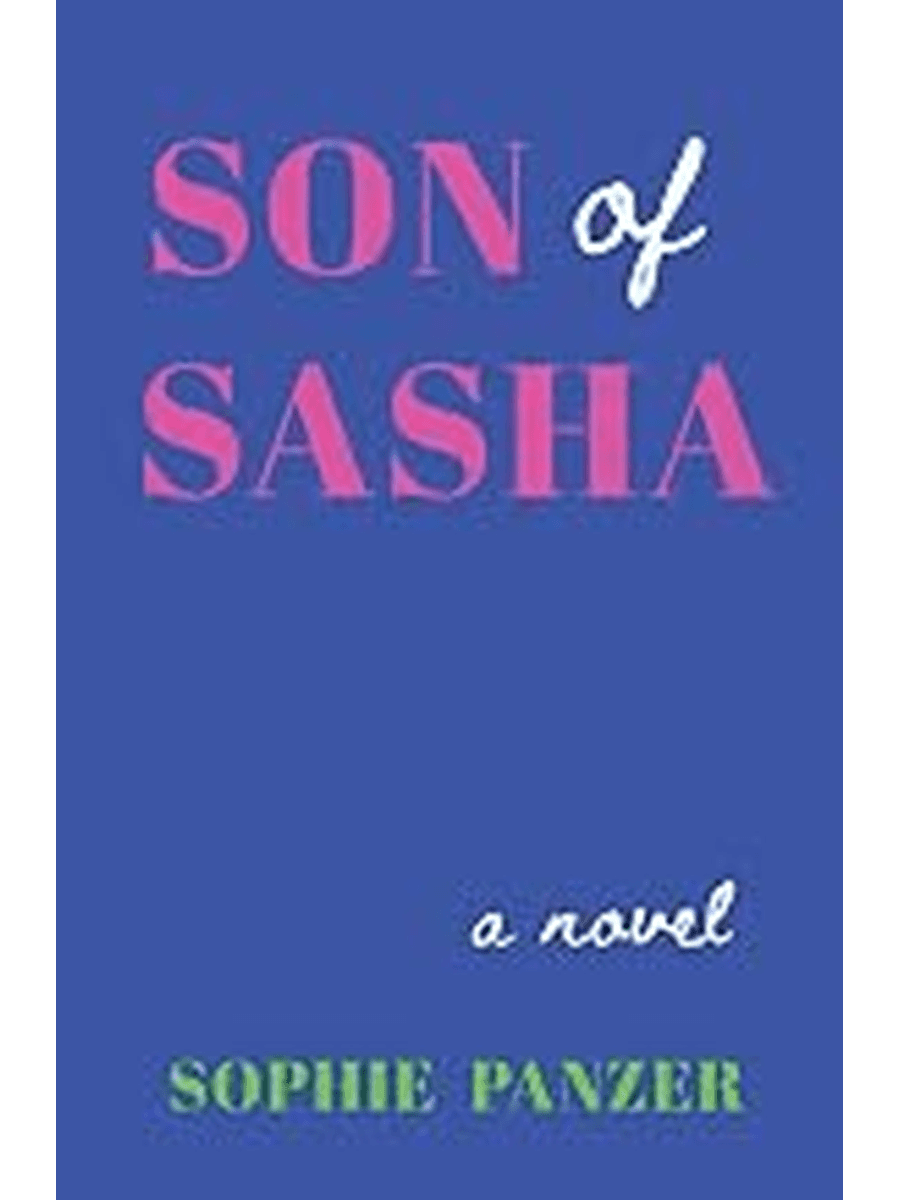
The cover of Sophie Panzer’s debut novel, “Son of Sasha.”
At first glance, Ollie, the novel’s 29-year-old protagonist, isn’t especially observant. She doesn’t spend her weekends in synagogue or studying Talmud. Yet her Jewish identity quietly accompanies her everywhere, shaping her relationships, decisions, and understanding of the world.
Set against the backdrop of rising antisemitism and the passing of the Holocaust survivor generation, Son of Sasha explores what it means to be Jewish in today’s world. While readers of every background will appreciate the story, those who carry Judaism in their kishkes will recognize something deeply familiar.
Ollie writes online arts curricula for children she’ll never meet. Professionally stalled, nursing a broken relationship with her former girlfriend while dating a man who doesn’t inspire her, she faces an increasingly urgent question: should she become a mother before time closes that door?
What makes this novel especially memorable is its supporting cast. Panzer introduces readers to a black Jew weary of constantly explaining her identity, members of the vibrant Persian Jewish community, a secular Jew who unexpectedly finds meaning through Chabad, and characters connected by the shared trauma of antisemitic violence. Together they create a rich tapestry of contemporary Jewish life while helping Ollie navigate an extraordinary supernatural event.
The magical realism never overwhelms the story. Instead, it enhances it, echoing centuries of Jewish storytelling in which the mystical and the everyday exist side by side.
Panzer in May received the Samuel Booth Leadership Award from the Jewish Federation of Northeastern New York. She serves on the cabinet of the Federation’s Young Leadership Division and belongs to Congregation Beth Emeth. Last year she founded the People of the Books Chavurah, bringing young adults together to discuss Jewish literature while supporting Jewish authors facing increasing antisemitism and boycotts in the publishing world. Her writing has appeared in JTA, The Forward, Philadelphia Jewish Exponent, Washington Jewish Week, and other publications.
The Federation will host Panzer for an author presentation on Oct. 25.
* * *
I asked Sophie about her debut novel, her writing journey, and why this story felt necessary.
What inspired Son of Sasha?
“When I began writing in late 2022, I thought I was writing a love story about two Jewish women whose lives took very different paths,” Panzer explained. “Then October 7 happened. The world changed, and I couldn’t write that same story.”
Instead, she found herself asking larger questions about Jewish history, vulnerability, and identity.
“I realized it was going to be impossible to write a meaningful Jewish story that didn’t acknowledge the enormity of what had happened. I started reflecting on existential questions about Jewish history and vulnerability. Months went by, and a newer story began to take shape. It was different from the one I had anticipated, but it incorporated elements of the original while also speaking to our moment in history, which satisfied me.”
How much of Ollie is based on you?
“I love Ollie, but we’re very different. I like to think I’m a little less self-destructive, a little less angry, and just generally more boring and functional than she is. As the descendant of Holocaust survivors, she also feels the impact of antisemitism and genocide in a much more direct and personal way. For example, she has a very limited family life as a result of antisemitic violence, while I’m lucky to have a pretty large extended family. I do share her fascination with museums, and I even worked as a history fellow at the Museum of Jewish Montreal, in college.”
Why magical realism?
“I’ve always been fascinated by the fairy tale of the golem and how it combines the violent reality of Jewish life in medieval Europe with the mystical elements of bringing a creature to life through magic. That story uses fantastical events to reveal these essential truths about the anxieties Jews face in exile and how they grapple with their vulnerability. After 10/7 and the subsequent rise of global antisemitism, I felt it was time to revisit that story, with a key twist: instead of building a huge, hulking monster to protect Jews living in a ghetto, my story would feature a tiny, vulnerable baby that would bring my main character a more complete understanding of her identity and her place in the world.
“I also feel that magical realism is a deeply Jewish storytelling tradition, although the term wasn’t created in a Jewish context. If you think about it, the Torah as a literary work falls in this category. It combines these mundane, earthy details about families, labor, disputes, politics, and everyday life with miraculous moments of awe and divinity. The fantasy elements of this story were very carefully considered – I never wanted magic to obscure or excuse the reality of human evil – but this approach felt very natural to me.”
On writing and publishing
Although Panzer works a full-time day job, she says structure actually helps her creativity.
“I romanticized having endless time to write, but I became much more productive once I had to manage my time intentionally.”
She chose to self-publish because it allowed complete creative freedom.
“I learned typography, cover design, and every step of the publishing process. It was incredibly rewarding to bring the project to life on my own timeline.”
You self-published your novel—do you have advice for others who would like to get their writing out into the world?
“I think self-publishing is a fantastic creative opportunity if you’re working on something more experimental and you enjoy a challenge. I was drawn to self-publishing because I have an independent streak and I love DIY projects. It’s such an amazing feeling to manage an art project from beginning to end and then hold the result in your hands. I had so much flexibility and creative freedom, and I learned new skills like typography and cover design. I was also able to work on my own timeline and get this book into the hands of readers quite quickly compared to the traditional publishing process, which worked out well given the urgency and timeliness of the topics in the story.”
Looking ahead
Panzer commented, “The Capital Region Jewish community’s response to this book has been absolutely amazing. People have read the story with so much enthusiasm and given me such wonderful feedback. I am deeply grateful to everyone who has given Son of Sasha their time and attention. It is especially meaningful given the rise of antisemitism in the broader publishing world, which is rife with anti-Jewish blacklists and boycotts. The best way to support Jewish authors in this climate is to seek out Jewish books and recommend the ones you love to your friends and family.”
Mindy the Book Yenta’s Rating: ⭐⭐⭐⭐⭐ Jewish Rating: ✡✡✡✡✡
If you’re looking for a thoughtful novel that wrestles with Jewish identity, grief, resilience, and hope while weaving in elements of magical realism, Son of Sasha deserves a place on your reading list.
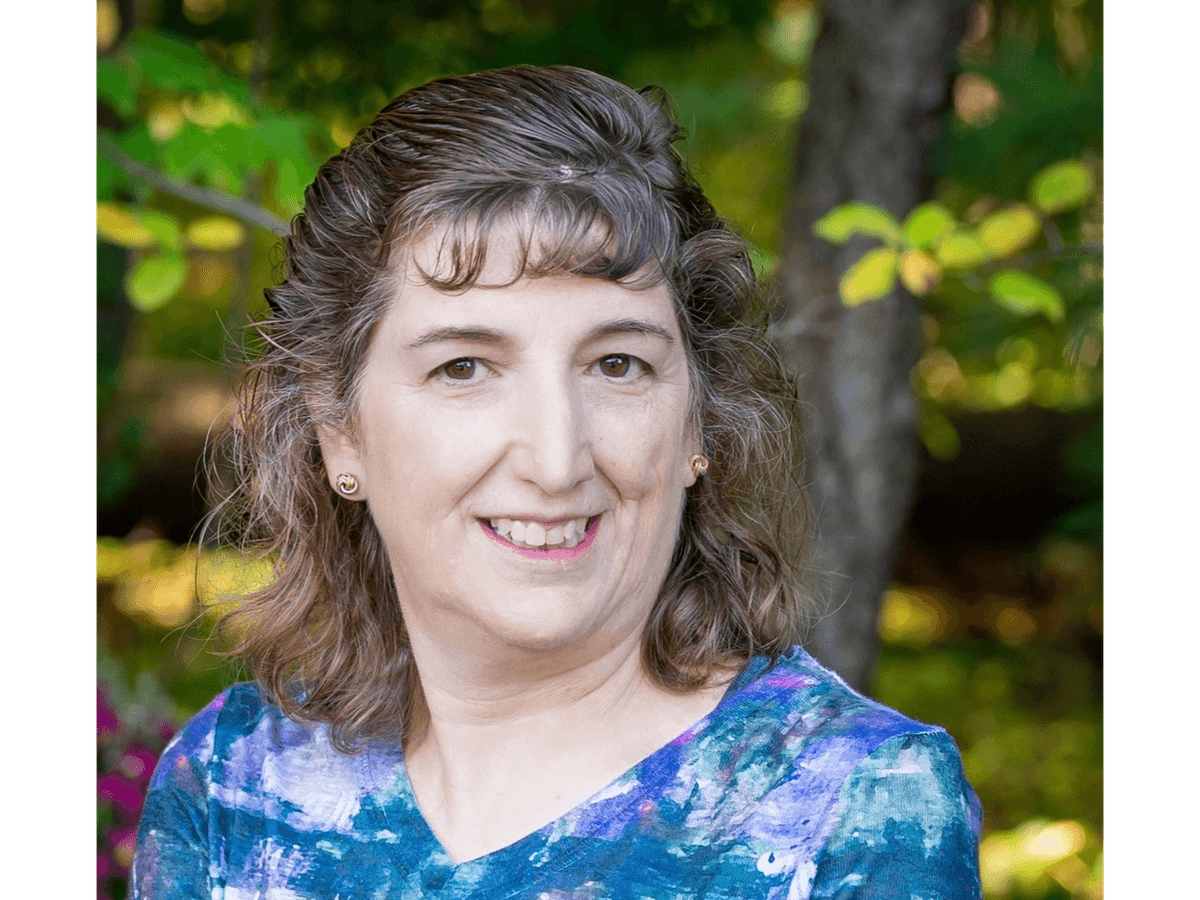
Mindy Holland, “Mindy the Book Yenta.”
Mindy Holland is chairwoman of the board of directors of Jewish Federation.

ADVERTISEMENT
Originally published at
The Jewish World
ADVERTISEMENT
Albany author Sophie Panzer’s first novel blends Jewish magical realism and existential questions
Mindy the Book Yenta reviews Albany author Sophie Panzer’s debut novel, Son of Sasha, which blends Jewish magical realism with life after Oct. 7.
Mindy Holland
6
mins read time
Originally published at
The Jewish World
Albany author Sophie Panzer, whose debut novel Son of Sasha blends Jewish magical realism with post-Oct. 7 identity questions.
Mindy ‘the Book Yenta’ Holland
Sophie Panzer
Being Jewish today
Albany’s Panzer combines in first novel
Jewish magical realism, existential questions
By MINDY HOLLAND
(“Mindy the Book Yenta”)
I’ve always loved recommending books. Nothing makes me happier than suggesting a title and hearing that someone loved it as much as I did. That’s why I call myself Mindy the Book Yenta. Every book I review earns up to five stars—and up to five Jewish stars (the six-pointed kind).
Son of Sasha by Capital Region author Sophie Panzer earns five of each.
The cover of Sophie Panzer’s debut novel, “Son of Sasha.”
At first glance, Ollie, the novel’s 29-year-old protagonist, isn’t especially observant. She doesn’t spend her weekends in synagogue or studying Talmud. Yet her Jewish identity quietly accompanies her everywhere, shaping her relationships, decisions, and understanding of the world.
Set against the backdrop of rising antisemitism and the passing of the Holocaust survivor generation, Son of Sasha explores what it means to be Jewish in today’s world. While readers of every background will appreciate the story, those who carry Judaism in their kishkes will recognize something deeply familiar.
Ollie writes online arts curricula for children she’ll never meet. Professionally stalled, nursing a broken relationship with her former girlfriend while dating a man who doesn’t inspire her, she faces an increasingly urgent question: should she become a mother before time closes that door?
What makes this novel especially memorable is its supporting cast. Panzer introduces readers to a black Jew weary of constantly explaining her identity, members of the vibrant Persian Jewish community, a secular Jew who unexpectedly finds meaning through Chabad, and characters connected by the shared trauma of antisemitic violence. Together they create a rich tapestry of contemporary Jewish life while helping Ollie navigate an extraordinary supernatural event.
The magical realism never overwhelms the story. Instead, it enhances it, echoing centuries of Jewish storytelling in which the mystical and the everyday exist side by side.
Panzer in May received the Samuel Booth Leadership Award from the Jewish Federation of Northeastern New York. She serves on the cabinet of the Federation’s Young Leadership Division and belongs to Congregation Beth Emeth. Last year she founded the People of the Books Chavurah, bringing young adults together to discuss Jewish literature while supporting Jewish authors facing increasing antisemitism and boycotts in the publishing world. Her writing has appeared in JTA, The Forward, Philadelphia Jewish Exponent, Washington Jewish Week, and other publications.
The Federation will host Panzer for an author presentation on Oct. 25.
* * *
I asked Sophie about her debut novel, her writing journey, and why this story felt necessary.
What inspired Son of Sasha?
“When I began writing in late 2022, I thought I was writing a love story about two Jewish women whose lives took very different paths,” Panzer explained. “Then October 7 happened. The world changed, and I couldn’t write that same story.”
Instead, she found herself asking larger questions about Jewish history, vulnerability, and identity.
“I realized it was going to be impossible to write a meaningful Jewish story that didn’t acknowledge the enormity of what had happened. I started reflecting on existential questions about Jewish history and vulnerability. Months went by, and a newer story began to take shape. It was different from the one I had anticipated, but it incorporated elements of the original while also speaking to our moment in history, which satisfied me.”
How much of Ollie is based on you?
“I love Ollie, but we’re very different. I like to think I’m a little less self-destructive, a little less angry, and just generally more boring and functional than she is. As the descendant of Holocaust survivors, she also feels the impact of antisemitism and genocide in a much more direct and personal way. For example, she has a very limited family life as a result of antisemitic violence, while I’m lucky to have a pretty large extended family. I do share her fascination with museums, and I even worked as a history fellow at the Museum of Jewish Montreal, in college.”
Why magical realism?
“I’ve always been fascinated by the fairy tale of the golem and how it combines the violent reality of Jewish life in medieval Europe with the mystical elements of bringing a creature to life through magic. That story uses fantastical events to reveal these essential truths about the anxieties Jews face in exile and how they grapple with their vulnerability. After 10/7 and the subsequent rise of global antisemitism, I felt it was time to revisit that story, with a key twist: instead of building a huge, hulking monster to protect Jews living in a ghetto, my story would feature a tiny, vulnerable baby that would bring my main character a more complete understanding of her identity and her place in the world.
“I also feel that magical realism is a deeply Jewish storytelling tradition, although the term wasn’t created in a Jewish context. If you think about it, the Torah as a literary work falls in this category. It combines these mundane, earthy details about families, labor, disputes, politics, and everyday life with miraculous moments of awe and divinity. The fantasy elements of this story were very carefully considered – I never wanted magic to obscure or excuse the reality of human evil – but this approach felt very natural to me.”
On writing and publishing
Although Panzer works a full-time day job, she says structure actually helps her creativity.
“I romanticized having endless time to write, but I became much more productive once I had to manage my time intentionally.”
She chose to self-publish because it allowed complete creative freedom.
“I learned typography, cover design, and every step of the publishing process. It was incredibly rewarding to bring the project to life on my own timeline.”
You self-published your novel—do you have advice for others who would like to get their writing out into the world?
“I think self-publishing is a fantastic creative opportunity if you’re working on something more experimental and you enjoy a challenge. I was drawn to self-publishing because I have an independent streak and I love DIY projects. It’s such an amazing feeling to manage an art project from beginning to end and then hold the result in your hands. I had so much flexibility and creative freedom, and I learned new skills like typography and cover design. I was also able to work on my own timeline and get this book into the hands of readers quite quickly compared to the traditional publishing process, which worked out well given the urgency and timeliness of the topics in the story.”
Looking ahead
Panzer commented, “The Capital Region Jewish community’s response to this book has been absolutely amazing. People have read the story with so much enthusiasm and given me such wonderful feedback. I am deeply grateful to everyone who has given Son of Sasha their time and attention. It is especially meaningful given the rise of antisemitism in the broader publishing world, which is rife with anti-Jewish blacklists and boycotts. The best way to support Jewish authors in this climate is to seek out Jewish books and recommend the ones you love to your friends and family.”
Mindy the Book Yenta’s Rating: ⭐⭐⭐⭐⭐ Jewish Rating: ✡✡✡✡✡
If you’re looking for a thoughtful novel that wrestles with Jewish identity, grief, resilience, and hope while weaving in elements of magical realism, Son of Sasha deserves a place on your reading list.
Mindy Holland, “Mindy the Book Yenta.”
Mindy Holland is chairwoman of the board of directors of Jewish Federation.
ADVERTISEMENT
Originally published at
The Jewish World
ADVERTISEMENT
Albany author Sophie Panzer’s first novel blends Jewish magical realism and existential questions
Mindy the Book Yenta reviews Albany author Sophie Panzer’s debut novel, Son of Sasha, which blends Jewish magical realism with life after Oct. 7.
Mindy Holland
6
mins read time
Originally published at
The Jewish World
Albany author Sophie Panzer, whose debut novel Son of Sasha blends Jewish magical realism with post-Oct. 7 identity questions.
Mindy ‘the Book Yenta’ Holland
Sophie Panzer
Being Jewish today
Albany’s Panzer combines in first novel
Jewish magical realism, existential questions
By MINDY HOLLAND
(“Mindy the Book Yenta”)
I’ve always loved recommending books. Nothing makes me happier than suggesting a title and hearing that someone loved it as much as I did. That’s why I call myself Mindy the Book Yenta. Every book I review earns up to five stars—and up to five Jewish stars (the six-pointed kind).
Son of Sasha by Capital Region author Sophie Panzer earns five of each.
The cover of Sophie Panzer’s debut novel, “Son of Sasha.”
At first glance, Ollie, the novel’s 29-year-old protagonist, isn’t especially observant. She doesn’t spend her weekends in synagogue or studying Talmud. Yet her Jewish identity quietly accompanies her everywhere, shaping her relationships, decisions, and understanding of the world.
Set against the backdrop of rising antisemitism and the passing of the Holocaust survivor generation, Son of Sasha explores what it means to be Jewish in today’s world. While readers of every background will appreciate the story, those who carry Judaism in their kishkes will recognize something deeply familiar.
Ollie writes online arts curricula for children she’ll never meet. Professionally stalled, nursing a broken relationship with her former girlfriend while dating a man who doesn’t inspire her, she faces an increasingly urgent question: should she become a mother before time closes that door?
What makes this novel especially memorable is its supporting cast. Panzer introduces readers to a black Jew weary of constantly explaining her identity, members of the vibrant Persian Jewish community, a secular Jew who unexpectedly finds meaning through Chabad, and characters connected by the shared trauma of antisemitic violence. Together they create a rich tapestry of contemporary Jewish life while helping Ollie navigate an extraordinary supernatural event.
The magical realism never overwhelms the story. Instead, it enhances it, echoing centuries of Jewish storytelling in which the mystical and the everyday exist side by side.
Panzer in May received the Samuel Booth Leadership Award from the Jewish Federation of Northeastern New York. She serves on the cabinet of the Federation’s Young Leadership Division and belongs to Congregation Beth Emeth. Last year she founded the People of the Books Chavurah, bringing young adults together to discuss Jewish literature while supporting Jewish authors facing increasing antisemitism and boycotts in the publishing world. Her writing has appeared in JTA, The Forward, Philadelphia Jewish Exponent, Washington Jewish Week, and other publications.
The Federation will host Panzer for an author presentation on Oct. 25.
* * *
I asked Sophie about her debut novel, her writing journey, and why this story felt necessary.
What inspired Son of Sasha?
“When I began writing in late 2022, I thought I was writing a love story about two Jewish women whose lives took very different paths,” Panzer explained. “Then October 7 happened. The world changed, and I couldn’t write that same story.”
Instead, she found herself asking larger questions about Jewish history, vulnerability, and identity.
“I realized it was going to be impossible to write a meaningful Jewish story that didn’t acknowledge the enormity of what had happened. I started reflecting on existential questions about Jewish history and vulnerability. Months went by, and a newer story began to take shape. It was different from the one I had anticipated, but it incorporated elements of the original while also speaking to our moment in history, which satisfied me.”
How much of Ollie is based on you?
“I love Ollie, but we’re very different. I like to think I’m a little less self-destructive, a little less angry, and just generally more boring and functional than she is. As the descendant of Holocaust survivors, she also feels the impact of antisemitism and genocide in a much more direct and personal way. For example, she has a very limited family life as a result of antisemitic violence, while I’m lucky to have a pretty large extended family. I do share her fascination with museums, and I even worked as a history fellow at the Museum of Jewish Montreal, in college.”
Why magical realism?
“I’ve always been fascinated by the fairy tale of the golem and how it combines the violent reality of Jewish life in medieval Europe with the mystical elements of bringing a creature to life through magic. That story uses fantastical events to reveal these essential truths about the anxieties Jews face in exile and how they grapple with their vulnerability. After 10/7 and the subsequent rise of global antisemitism, I felt it was time to revisit that story, with a key twist: instead of building a huge, hulking monster to protect Jews living in a ghetto, my story would feature a tiny, vulnerable baby that would bring my main character a more complete understanding of her identity and her place in the world.
“I also feel that magical realism is a deeply Jewish storytelling tradition, although the term wasn’t created in a Jewish context. If you think about it, the Torah as a literary work falls in this category. It combines these mundane, earthy details about families, labor, disputes, politics, and everyday life with miraculous moments of awe and divinity. The fantasy elements of this story were very carefully considered – I never wanted magic to obscure or excuse the reality of human evil – but this approach felt very natural to me.”
On writing and publishing
Although Panzer works a full-time day job, she says structure actually helps her creativity.
“I romanticized having endless time to write, but I became much more productive once I had to manage my time intentionally.”
She chose to self-publish because it allowed complete creative freedom.
“I learned typography, cover design, and every step of the publishing process. It was incredibly rewarding to bring the project to life on my own timeline.”
You self-published your novel—do you have advice for others who would like to get their writing out into the world?
“I think self-publishing is a fantastic creative opportunity if you’re working on something more experimental and you enjoy a challenge. I was drawn to self-publishing because I have an independent streak and I love DIY projects. It’s such an amazing feeling to manage an art project from beginning to end and then hold the result in your hands. I had so much flexibility and creative freedom, and I learned new skills like typography and cover design. I was also able to work on my own timeline and get this book into the hands of readers quite quickly compared to the traditional publishing process, which worked out well given the urgency and timeliness of the topics in the story.”
Looking ahead
Panzer commented, “The Capital Region Jewish community’s response to this book has been absolutely amazing. People have read the story with so much enthusiasm and given me such wonderful feedback. I am deeply grateful to everyone who has given Son of Sasha their time and attention. It is especially meaningful given the rise of antisemitism in the broader publishing world, which is rife with anti-Jewish blacklists and boycotts. The best way to support Jewish authors in this climate is to seek out Jewish books and recommend the ones you love to your friends and family.”
Mindy the Book Yenta’s Rating: ⭐⭐⭐⭐⭐ Jewish Rating: ✡✡✡✡✡
If you’re looking for a thoughtful novel that wrestles with Jewish identity, grief, resilience, and hope while weaving in elements of magical realism, Son of Sasha deserves a place on your reading list.
Mindy Holland, “Mindy the Book Yenta.”
Mindy Holland is chairwoman of the board of directors of Jewish Federation.
ADVERTISEMENT
Originally published at
The Jewish World
ADVERTISEMENT
Albany author Sophie Panzer’s first novel blends Jewish magical realism and existential questions
Mindy the Book Yenta reviews Albany author Sophie Panzer’s debut novel, Son of Sasha, which blends Jewish magical realism with life after Oct. 7.
Mindy Holland
6
mins read time
Originally published at
The Jewish World
Albany author Sophie Panzer, whose debut novel Son of Sasha blends Jewish magical realism with post-Oct. 7 identity questions.
Mindy ‘the Book Yenta’ Holland
Sophie Panzer
Being Jewish today
Albany’s Panzer combines in first novel
Jewish magical realism, existential questions
By MINDY HOLLAND
(“Mindy the Book Yenta”)
I’ve always loved recommending books. Nothing makes me happier than suggesting a title and hearing that someone loved it as much as I did. That’s why I call myself Mindy the Book Yenta. Every book I review earns up to five stars—and up to five Jewish stars (the six-pointed kind).
Son of Sasha by Capital Region author Sophie Panzer earns five of each.
The cover of Sophie Panzer’s debut novel, “Son of Sasha.”
At first glance, Ollie, the novel’s 29-year-old protagonist, isn’t especially observant. She doesn’t spend her weekends in synagogue or studying Talmud. Yet her Jewish identity quietly accompanies her everywhere, shaping her relationships, decisions, and understanding of the world.
Set against the backdrop of rising antisemitism and the passing of the Holocaust survivor generation, Son of Sasha explores what it means to be Jewish in today’s world. While readers of every background will appreciate the story, those who carry Judaism in their kishkes will recognize something deeply familiar.
Ollie writes online arts curricula for children she’ll never meet. Professionally stalled, nursing a broken relationship with her former girlfriend while dating a man who doesn’t inspire her, she faces an increasingly urgent question: should she become a mother before time closes that door?
What makes this novel especially memorable is its supporting cast. Panzer introduces readers to a black Jew weary of constantly explaining her identity, members of the vibrant Persian Jewish community, a secular Jew who unexpectedly finds meaning through Chabad, and characters connected by the shared trauma of antisemitic violence. Together they create a rich tapestry of contemporary Jewish life while helping Ollie navigate an extraordinary supernatural event.
The magical realism never overwhelms the story. Instead, it enhances it, echoing centuries of Jewish storytelling in which the mystical and the everyday exist side by side.
Panzer in May received the Samuel Booth Leadership Award from the Jewish Federation of Northeastern New York. She serves on the cabinet of the Federation’s Young Leadership Division and belongs to Congregation Beth Emeth. Last year she founded the People of the Books Chavurah, bringing young adults together to discuss Jewish literature while supporting Jewish authors facing increasing antisemitism and boycotts in the publishing world. Her writing has appeared in JTA, The Forward, Philadelphia Jewish Exponent, Washington Jewish Week, and other publications.
The Federation will host Panzer for an author presentation on Oct. 25.
* * *
I asked Sophie about her debut novel, her writing journey, and why this story felt necessary.
What inspired Son of Sasha?
“When I began writing in late 2022, I thought I was writing a love story about two Jewish women whose lives took very different paths,” Panzer explained. “Then October 7 happened. The world changed, and I couldn’t write that same story.”
Instead, she found herself asking larger questions about Jewish history, vulnerability, and identity.
“I realized it was going to be impossible to write a meaningful Jewish story that didn’t acknowledge the enormity of what had happened. I started reflecting on existential questions about Jewish history and vulnerability. Months went by, and a newer story began to take shape. It was different from the one I had anticipated, but it incorporated elements of the original while also speaking to our moment in history, which satisfied me.”
How much of Ollie is based on you?
“I love Ollie, but we’re very different. I like to think I’m a little less self-destructive, a little less angry, and just generally more boring and functional than she is. As the descendant of Holocaust survivors, she also feels the impact of antisemitism and genocide in a much more direct and personal way. For example, she has a very limited family life as a result of antisemitic violence, while I’m lucky to have a pretty large extended family. I do share her fascination with museums, and I even worked as a history fellow at the Museum of Jewish Montreal, in college.”
Why magical realism?
“I’ve always been fascinated by the fairy tale of the golem and how it combines the violent reality of Jewish life in medieval Europe with the mystical elements of bringing a creature to life through magic. That story uses fantastical events to reveal these essential truths about the anxieties Jews face in exile and how they grapple with their vulnerability. After 10/7 and the subsequent rise of global antisemitism, I felt it was time to revisit that story, with a key twist: instead of building a huge, hulking monster to protect Jews living in a ghetto, my story would feature a tiny, vulnerable baby that would bring my main character a more complete understanding of her identity and her place in the world.
“I also feel that magical realism is a deeply Jewish storytelling tradition, although the term wasn’t created in a Jewish context. If you think about it, the Torah as a literary work falls in this category. It combines these mundane, earthy details about families, labor, disputes, politics, and everyday life with miraculous moments of awe and divinity. The fantasy elements of this story were very carefully considered – I never wanted magic to obscure or excuse the reality of human evil – but this approach felt very natural to me.”
On writing and publishing
Although Panzer works a full-time day job, she says structure actually helps her creativity.
“I romanticized having endless time to write, but I became much more productive once I had to manage my time intentionally.”
She chose to self-publish because it allowed complete creative freedom.
“I learned typography, cover design, and every step of the publishing process. It was incredibly rewarding to bring the project to life on my own timeline.”
You self-published your novel—do you have advice for others who would like to get their writing out into the world?
“I think self-publishing is a fantastic creative opportunity if you’re working on something more experimental and you enjoy a challenge. I was drawn to self-publishing because I have an independent streak and I love DIY projects. It’s such an amazing feeling to manage an art project from beginning to end and then hold the result in your hands. I had so much flexibility and creative freedom, and I learned new skills like typography and cover design. I was also able to work on my own timeline and get this book into the hands of readers quite quickly compared to the traditional publishing process, which worked out well given the urgency and timeliness of the topics in the story.”
Looking ahead
Panzer commented, “The Capital Region Jewish community’s response to this book has been absolutely amazing. People have read the story with so much enthusiasm and given me such wonderful feedback. I am deeply grateful to everyone who has given Son of Sasha their time and attention. It is especially meaningful given the rise of antisemitism in the broader publishing world, which is rife with anti-Jewish blacklists and boycotts. The best way to support Jewish authors in this climate is to seek out Jewish books and recommend the ones you love to your friends and family.”
Mindy the Book Yenta’s Rating: ⭐⭐⭐⭐⭐ Jewish Rating: ✡✡✡✡✡
If you’re looking for a thoughtful novel that wrestles with Jewish identity, grief, resilience, and hope while weaving in elements of magical realism, Son of Sasha deserves a place on your reading list.
Mindy Holland, “Mindy the Book Yenta.”
Mindy Holland is chairwoman of the board of directors of Jewish Federation.
ADVERTISEMENT
Originally published at
The Jewish World
ADVERTISEMENT
Related News

Culture
Arts & Entertainment
Jews who embraced play and toys featured in Strong National Museum exhibit
A Strong National Museum of Play display in Rochester traces the outsized Jewish role in the American toy and game industry, from Barbie to Hasbro.
Menachem Wecker
September 10, 2026

Culture
Arts & Entertainment
NY Fashion Week holds its first exclusively Jewish fashion show
Eighteen Jewish designers and more than 30 models took part in New York Fashion Week’s first all-Jewish runway show days before Rosh Hashanah.
Vita Fellig
September 10, 2026

Culture
Personal Stories
Beth Judah Temple of Wildwood, N.J.: a quest for survival
In Wildwood, N.J., a century-old synagogue rooted in a Jewish farming colony welcomes members, visitors and neighbors of every faith.
Ethel G. Hofman
August 27, 2026
Culture
Arts & Entertainment
Jews who embraced play and toys featured in Strong National Museum exhibit
A Strong National Museum of Play display in Rochester traces the outsized Jewish role in the American toy and game industry, from Barbie to Hasbro.
Menachem Wecker
September 10, 2026
Culture
Arts & Entertainment
NY Fashion Week holds its first exclusively Jewish fashion show
Eighteen Jewish designers and more than 30 models took part in New York Fashion Week’s first all-Jewish runway show days before Rosh Hashanah.
Vita Fellig
September 10, 2026
Culture
Personal Stories
Beth Judah Temple of Wildwood, N.J.: a quest for survival
In Wildwood, N.J., a century-old synagogue rooted in a Jewish farming colony welcomes members, visitors and neighbors of every faith.
Ethel G. Hofman
August 27, 2026

Culture
Arts & Entertainment
Yiddish Book Center to celebrate Sholem Aleichem this fall; open house set for Oct. 25
The Yiddish Book Center’s fall lineup features a Woody Guthrie documentary and an Oct. 25 open house honoring Sholem Aleichem.
The Jewish World
August 20, 2026

© 2026 The Jewish World · Since 1965 - The Capital Region's gateway to Jewish life
Designed and Developed by Ta-Da Studios
© 2026 The Jewish World · Since 1965 - The Capital Region's gateway to Jewish life
Designed and Developed by Ta-Da Studios
© 2026 The Jewish World · Since 1965 - The Capital Region's gateway to Jewish life
Designed and Developed by Ta-Da Studios
© 2026 The Jewish World · Since 1965 - The Capital Region's gateway to Jewish life
Designed and Developed by Ta-Da Studios