Visit to Ohel the anchor for Chabad emissaries at annual Kinus conference in New York
Six thousand five hundred Chabad emissaries gathered at the Ohel, the resting place of the Lubavitcher Rebbe, marking the spiritual opening of an…
The Jewish World Team
5 mins read
Published by
The Jewish World
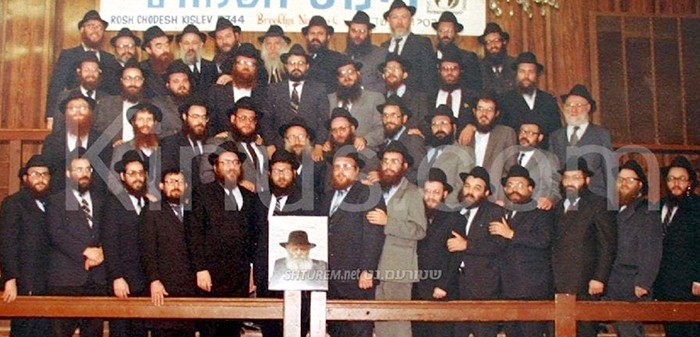
In this picture The Jewish World was sent from 1983 Kinus conference, we are told that Rabbi Israel Rubin, director of Capital Chabad, is shown in the first row.
6,500 Chabad-Lubavitch emissaries and Jewish leaders from around the globe gathered on Friday, Nov. 14, at the Ohel—the resting place of the Lubavitcher Rebbe, Rabbi Menachem Mendel Schneerson—in a display of unity and prayer marking the start of the annual International Conference of Chabad-Lubavitch Emissaries (Kinus Hashluchim).
The visit to the Ohel at Old Montefiore Cemetery in Queens, N.Y., is considered the emotional and spiritual centerpiece of the multiday conference, which brings together shluchim from more than 100 countries for workshops, prayer, strategy sessions and the celebrated Sunday-night gala banquet. Organizers said this year’s gathering came at a pivotal moment, with Jewish engagement rising even as global anti-Semitism intensifies.
For many emissaries, the Ohel visit is the anchor of their yearly return to New York.
“I traveled to New York to visit the Rebbe's grave specifically as part of the annual conference. I do that every year,” Rabbi Yosef Chaim Kantor, chief rabbi and director of Chabad of Bangkok, Thailand, told JNS. “I come to the conference from Thailand, and one of the central parts of the conference is to visit his resting place collectively. We did it on Friday as we do every year.”
Coming Home
Kantor described the atmosphere at the Ohel as one of deep connection, both spiritual and communal.
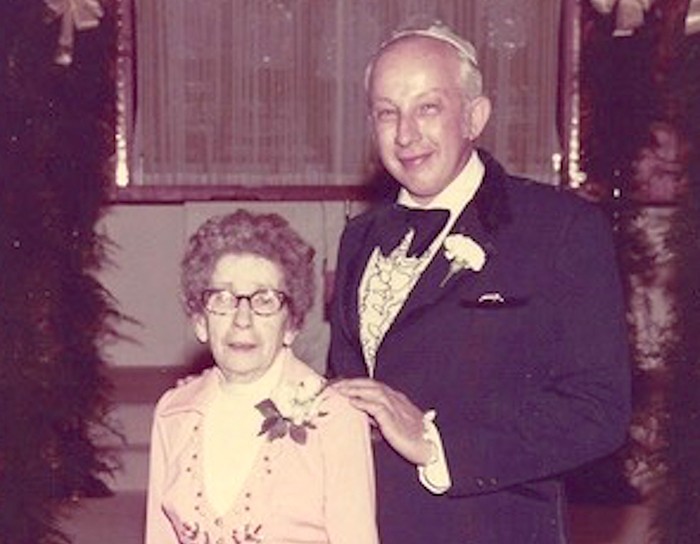
0F53Ecad 8Ab5 4E7B 8Ccc 7005Ed29Aa9A 1 105 C
“During my visit, I met people from all over the world, and God orchestrated things,” he told JNS. “I met all kinds of people that I had things in common with: people we know in common, projects we’re working on in common, without even planning it. So many Divine Providence meetings were taking place.”
Kantor noted the significance of visiting the Ohel with his colleagues, who are “all like-minded, of the same mission, although we all work in different locales and have to adapt our message to be pertinent to the various customs and particulars of the locations that we are individually, respectively, living and working in.”
“Participating is a feeling of coming home, of going to a place that understands you fully, the challenges you’re going through, celebrating with you the successes that you have,” he said.
The Ohel provides grounding at a time when outside influences can feel disorienting, Kantor told JNS.
“It’s reassuring and uplifting and strengthening to come to a place like this resting place that is so pristine, so authentic, so untouched and unfazed by passing fads or ethos and values that are not consistent with the Torah,” he said.
ADVERTISEMENT
Recommit
For Rabbi Raleigh Resnick of Chabad of the Tri-Valley in Northern California, the annual gathering at the Ohel is the “center, the strength, the pillar, the foundation piece” of the entire Kinus.
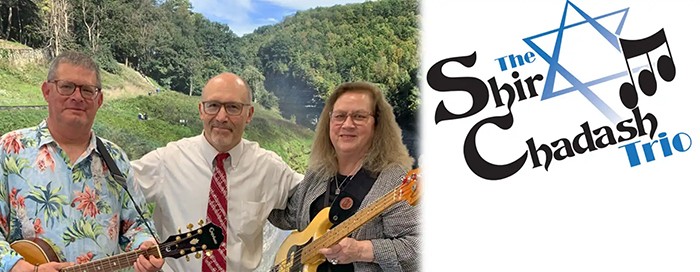
Shir Chadash Trio
“In 1951, when the Rebbe assumed the leadership of the Lubavitch movement, he made an opening statement and he said that there are three loves that are intertwined and inseparable: the love to God, the love to Torah and the love to a fellow Jew—and one cannot have one without the other,” Resnick told JNS. “If you really love God and you really love Torah, then you have to love His children, each and every Jew.”
He added that the Rebbe’s original mandate—to reach every Jew in every part of the world—remains the principal motivator for emissaries.
“My wife and I joined the army of shluchim 21 years ago,” he said. “We are in the Bay Area in Northern California. In addition to having family in New York, we make it a point to, every once in a while, go back to the Ohel, to the Rebbe, and to recommit ourselves to our mission and to our purpose to which we have dedicated our lives.”
Emotional
“It is very moving. It’s emotional. You will see people crying,” Resnick told JNS. “Of course, we ask blessings from God for the success of our mission, to be able to have all the resources, the abilities, that our family should be well, that our community should be well.”
Israel, Resnick said, is always central in the prayers of the shluchim.
“It is certainly mentioned individually by everybody and also on behalf of everybody that God should give the strength and the security to Israel to stand tall, to stand proud and to be able to be the beacon of light for the entire world,” he said.
Throughout the year, approximately 1 million people, both Jews and non-Jews, visit the Ohel, considered one of the holiest Jewish sites outside Israel. During the Kinus, the visit is both symbolic and practical as shluchim place written notes, pray for their communities and renew the sense of mission that drives their work across the globe.
ADVERTISEMENT
Visit to Ohel the anchor for Chabad emissaries at annual Kinus conference in New York
Six thousand five hundred Chabad emissaries gathered at the Ohel, the resting place of the Lubavitcher Rebbe, marking the spiritual opening of an…
The Jewish World Team
5 mins read
Published by
The Jewish World
In this picture The Jewish World was sent from 1983 Kinus conference, we are told that Rabbi Israel Rubin, director of Capital Chabad, is shown in the first row.
6,500 Chabad-Lubavitch emissaries and Jewish leaders from around the globe gathered on Friday, Nov. 14, at the Ohel—the resting place of the Lubavitcher Rebbe, Rabbi Menachem Mendel Schneerson—in a display of unity and prayer marking the start of the annual International Conference of Chabad-Lubavitch Emissaries (Kinus Hashluchim).
The visit to the Ohel at Old Montefiore Cemetery in Queens, N.Y., is considered the emotional and spiritual centerpiece of the multiday conference, which brings together shluchim from more than 100 countries for workshops, prayer, strategy sessions and the celebrated Sunday-night gala banquet. Organizers said this year’s gathering came at a pivotal moment, with Jewish engagement rising even as global anti-Semitism intensifies.
For many emissaries, the Ohel visit is the anchor of their yearly return to New York.
“I traveled to New York to visit the Rebbe's grave specifically as part of the annual conference. I do that every year,” Rabbi Yosef Chaim Kantor, chief rabbi and director of Chabad of Bangkok, Thailand, told JNS. “I come to the conference from Thailand, and one of the central parts of the conference is to visit his resting place collectively. We did it on Friday as we do every year.”
Coming Home
Kantor described the atmosphere at the Ohel as one of deep connection, both spiritual and communal.
0F53Ecad 8Ab5 4E7B 8Ccc 7005Ed29Aa9A 1 105 C
“During my visit, I met people from all over the world, and God orchestrated things,” he told JNS. “I met all kinds of people that I had things in common with: people we know in common, projects we’re working on in common, without even planning it. So many Divine Providence meetings were taking place.”
Kantor noted the significance of visiting the Ohel with his colleagues, who are “all like-minded, of the same mission, although we all work in different locales and have to adapt our message to be pertinent to the various customs and particulars of the locations that we are individually, respectively, living and working in.”
“Participating is a feeling of coming home, of going to a place that understands you fully, the challenges you’re going through, celebrating with you the successes that you have,” he said.
The Ohel provides grounding at a time when outside influences can feel disorienting, Kantor told JNS.
“It’s reassuring and uplifting and strengthening to come to a place like this resting place that is so pristine, so authentic, so untouched and unfazed by passing fads or ethos and values that are not consistent with the Torah,” he said.
ADVERTISEMENT
Recommit
For Rabbi Raleigh Resnick of Chabad of the Tri-Valley in Northern California, the annual gathering at the Ohel is the “center, the strength, the pillar, the foundation piece” of the entire Kinus.
Shir Chadash Trio
“In 1951, when the Rebbe assumed the leadership of the Lubavitch movement, he made an opening statement and he said that there are three loves that are intertwined and inseparable: the love to God, the love to Torah and the love to a fellow Jew—and one cannot have one without the other,” Resnick told JNS. “If you really love God and you really love Torah, then you have to love His children, each and every Jew.”
He added that the Rebbe’s original mandate—to reach every Jew in every part of the world—remains the principal motivator for emissaries.
“My wife and I joined the army of shluchim 21 years ago,” he said. “We are in the Bay Area in Northern California. In addition to having family in New York, we make it a point to, every once in a while, go back to the Ohel, to the Rebbe, and to recommit ourselves to our mission and to our purpose to which we have dedicated our lives.”
Emotional
“It is very moving. It’s emotional. You will see people crying,” Resnick told JNS. “Of course, we ask blessings from God for the success of our mission, to be able to have all the resources, the abilities, that our family should be well, that our community should be well.”
Israel, Resnick said, is always central in the prayers of the shluchim.
“It is certainly mentioned individually by everybody and also on behalf of everybody that God should give the strength and the security to Israel to stand tall, to stand proud and to be able to be the beacon of light for the entire world,” he said.
Throughout the year, approximately 1 million people, both Jews and non-Jews, visit the Ohel, considered one of the holiest Jewish sites outside Israel. During the Kinus, the visit is both symbolic and practical as shluchim place written notes, pray for their communities and renew the sense of mission that drives their work across the globe.
ADVERTISEMENT
Visit to Ohel the anchor for Chabad emissaries at annual Kinus conference in New York
Six thousand five hundred Chabad emissaries gathered at the Ohel, the resting place of the Lubavitcher Rebbe, marking the spiritual opening of an…
The Jewish World Team
5 mins read
Published by
The Jewish World
In this picture The Jewish World was sent from 1983 Kinus conference, we are told that Rabbi Israel Rubin, director of Capital Chabad, is shown in the first row.
6,500 Chabad-Lubavitch emissaries and Jewish leaders from around the globe gathered on Friday, Nov. 14, at the Ohel—the resting place of the Lubavitcher Rebbe, Rabbi Menachem Mendel Schneerson—in a display of unity and prayer marking the start of the annual International Conference of Chabad-Lubavitch Emissaries (Kinus Hashluchim).
The visit to the Ohel at Old Montefiore Cemetery in Queens, N.Y., is considered the emotional and spiritual centerpiece of the multiday conference, which brings together shluchim from more than 100 countries for workshops, prayer, strategy sessions and the celebrated Sunday-night gala banquet. Organizers said this year’s gathering came at a pivotal moment, with Jewish engagement rising even as global anti-Semitism intensifies.
For many emissaries, the Ohel visit is the anchor of their yearly return to New York.
“I traveled to New York to visit the Rebbe's grave specifically as part of the annual conference. I do that every year,” Rabbi Yosef Chaim Kantor, chief rabbi and director of Chabad of Bangkok, Thailand, told JNS. “I come to the conference from Thailand, and one of the central parts of the conference is to visit his resting place collectively. We did it on Friday as we do every year.”
Coming Home
Kantor described the atmosphere at the Ohel as one of deep connection, both spiritual and communal.
0F53Ecad 8Ab5 4E7B 8Ccc 7005Ed29Aa9A 1 105 C
“During my visit, I met people from all over the world, and God orchestrated things,” he told JNS. “I met all kinds of people that I had things in common with: people we know in common, projects we’re working on in common, without even planning it. So many Divine Providence meetings were taking place.”
Kantor noted the significance of visiting the Ohel with his colleagues, who are “all like-minded, of the same mission, although we all work in different locales and have to adapt our message to be pertinent to the various customs and particulars of the locations that we are individually, respectively, living and working in.”
“Participating is a feeling of coming home, of going to a place that understands you fully, the challenges you’re going through, celebrating with you the successes that you have,” he said.
The Ohel provides grounding at a time when outside influences can feel disorienting, Kantor told JNS.
“It’s reassuring and uplifting and strengthening to come to a place like this resting place that is so pristine, so authentic, so untouched and unfazed by passing fads or ethos and values that are not consistent with the Torah,” he said.
ADVERTISEMENT
Recommit
For Rabbi Raleigh Resnick of Chabad of the Tri-Valley in Northern California, the annual gathering at the Ohel is the “center, the strength, the pillar, the foundation piece” of the entire Kinus.
Shir Chadash Trio
“In 1951, when the Rebbe assumed the leadership of the Lubavitch movement, he made an opening statement and he said that there are three loves that are intertwined and inseparable: the love to God, the love to Torah and the love to a fellow Jew—and one cannot have one without the other,” Resnick told JNS. “If you really love God and you really love Torah, then you have to love His children, each and every Jew.”
He added that the Rebbe’s original mandate—to reach every Jew in every part of the world—remains the principal motivator for emissaries.
“My wife and I joined the army of shluchim 21 years ago,” he said. “We are in the Bay Area in Northern California. In addition to having family in New York, we make it a point to, every once in a while, go back to the Ohel, to the Rebbe, and to recommit ourselves to our mission and to our purpose to which we have dedicated our lives.”
Emotional
“It is very moving. It’s emotional. You will see people crying,” Resnick told JNS. “Of course, we ask blessings from God for the success of our mission, to be able to have all the resources, the abilities, that our family should be well, that our community should be well.”
Israel, Resnick said, is always central in the prayers of the shluchim.
“It is certainly mentioned individually by everybody and also on behalf of everybody that God should give the strength and the security to Israel to stand tall, to stand proud and to be able to be the beacon of light for the entire world,” he said.
Throughout the year, approximately 1 million people, both Jews and non-Jews, visit the Ohel, considered one of the holiest Jewish sites outside Israel. During the Kinus, the visit is both symbolic and practical as shluchim place written notes, pray for their communities and renew the sense of mission that drives their work across the globe.
ADVERTISEMENT
Visit to Ohel the anchor for Chabad emissaries at annual Kinus conference in New York
Six thousand five hundred Chabad emissaries gathered at the Ohel, the resting place of the Lubavitcher Rebbe, marking the spiritual opening of an…
The Jewish World Team
5 mins read
Published by
The Jewish World
In this picture The Jewish World was sent from 1983 Kinus conference, we are told that Rabbi Israel Rubin, director of Capital Chabad, is shown in the first row.
6,500 Chabad-Lubavitch emissaries and Jewish leaders from around the globe gathered on Friday, Nov. 14, at the Ohel—the resting place of the Lubavitcher Rebbe, Rabbi Menachem Mendel Schneerson—in a display of unity and prayer marking the start of the annual International Conference of Chabad-Lubavitch Emissaries (Kinus Hashluchim).
The visit to the Ohel at Old Montefiore Cemetery in Queens, N.Y., is considered the emotional and spiritual centerpiece of the multiday conference, which brings together shluchim from more than 100 countries for workshops, prayer, strategy sessions and the celebrated Sunday-night gala banquet. Organizers said this year’s gathering came at a pivotal moment, with Jewish engagement rising even as global anti-Semitism intensifies.
For many emissaries, the Ohel visit is the anchor of their yearly return to New York.
“I traveled to New York to visit the Rebbe's grave specifically as part of the annual conference. I do that every year,” Rabbi Yosef Chaim Kantor, chief rabbi and director of Chabad of Bangkok, Thailand, told JNS. “I come to the conference from Thailand, and one of the central parts of the conference is to visit his resting place collectively. We did it on Friday as we do every year.”
Coming Home
Kantor described the atmosphere at the Ohel as one of deep connection, both spiritual and communal.
0F53Ecad 8Ab5 4E7B 8Ccc 7005Ed29Aa9A 1 105 C
“During my visit, I met people from all over the world, and God orchestrated things,” he told JNS. “I met all kinds of people that I had things in common with: people we know in common, projects we’re working on in common, without even planning it. So many Divine Providence meetings were taking place.”
Kantor noted the significance of visiting the Ohel with his colleagues, who are “all like-minded, of the same mission, although we all work in different locales and have to adapt our message to be pertinent to the various customs and particulars of the locations that we are individually, respectively, living and working in.”
“Participating is a feeling of coming home, of going to a place that understands you fully, the challenges you’re going through, celebrating with you the successes that you have,” he said.
The Ohel provides grounding at a time when outside influences can feel disorienting, Kantor told JNS.
“It’s reassuring and uplifting and strengthening to come to a place like this resting place that is so pristine, so authentic, so untouched and unfazed by passing fads or ethos and values that are not consistent with the Torah,” he said.
ADVERTISEMENT
Recommit
For Rabbi Raleigh Resnick of Chabad of the Tri-Valley in Northern California, the annual gathering at the Ohel is the “center, the strength, the pillar, the foundation piece” of the entire Kinus.
Shir Chadash Trio
“In 1951, when the Rebbe assumed the leadership of the Lubavitch movement, he made an opening statement and he said that there are three loves that are intertwined and inseparable: the love to God, the love to Torah and the love to a fellow Jew—and one cannot have one without the other,” Resnick told JNS. “If you really love God and you really love Torah, then you have to love His children, each and every Jew.”
He added that the Rebbe’s original mandate—to reach every Jew in every part of the world—remains the principal motivator for emissaries.
“My wife and I joined the army of shluchim 21 years ago,” he said. “We are in the Bay Area in Northern California. In addition to having family in New York, we make it a point to, every once in a while, go back to the Ohel, to the Rebbe, and to recommit ourselves to our mission and to our purpose to which we have dedicated our lives.”
Emotional
“It is very moving. It’s emotional. You will see people crying,” Resnick told JNS. “Of course, we ask blessings from God for the success of our mission, to be able to have all the resources, the abilities, that our family should be well, that our community should be well.”
Israel, Resnick said, is always central in the prayers of the shluchim.
“It is certainly mentioned individually by everybody and also on behalf of everybody that God should give the strength and the security to Israel to stand tall, to stand proud and to be able to be the beacon of light for the entire world,” he said.
Throughout the year, approximately 1 million people, both Jews and non-Jews, visit the Ohel, considered one of the holiest Jewish sites outside Israel. During the Kinus, the visit is both symbolic and practical as shluchim place written notes, pray for their communities and renew the sense of mission that drives their work across the globe.
ADVERTISEMENT
Related News
Opinions
Religion & Philosophy
A meditation on Passover, freedom, candles and the Jewish neshamah
As the United States marks 250 years since its founding, we find ourselves reflecting not only on the blessings of liberty, but on the deeper…
Rabbi Mordechai Rubin
March 26, 2026

Opinions
Personal Stories
Love letters to Israel
The last time I went to Carnegie Hall to see something Jewish, it didn’t go well.
Karen Lehrman Bloch
March 19, 2026
Opinions
Personal Stories
From fleeing Iran to saving lives in Israel
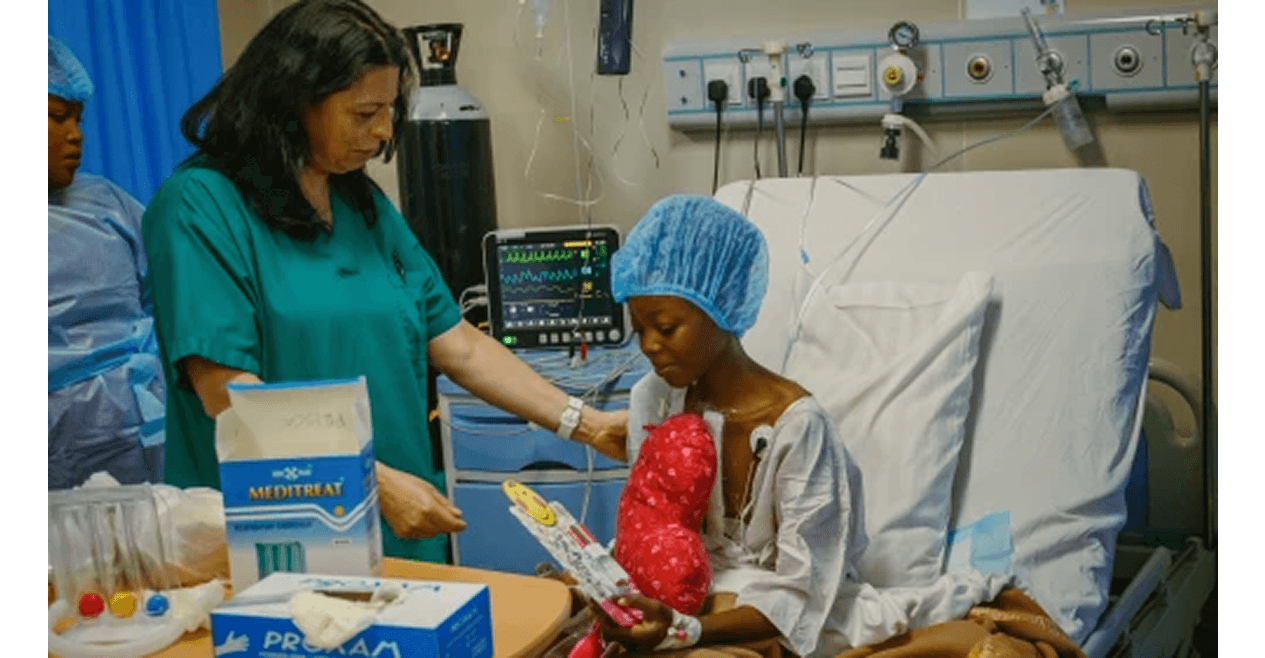
Anat Mastor, who fled post-revolution Iran as a teenager, now plays a critical role in life-saving heart surgeries for children from across the globe.
Tania Shalom Michaelian
March 19, 2026
Opinions
Religion & Philosophy
A meditation on Passover, freedom, candles and the Jewish neshamah
As the United States marks 250 years since its founding, we find ourselves reflecting not only on the blessings of liberty, but on the deeper…
Rabbi Mordechai Rubin
March 26, 2026
Opinions
Personal Stories
Love letters to Israel
The last time I went to Carnegie Hall to see something Jewish, it didn’t go well.
Karen Lehrman Bloch
March 19, 2026
Opinions
Personal Stories
From fleeing Iran to saving lives in Israel
Anat Mastor, who fled post-revolution Iran as a teenager, now plays a critical role in life-saving heart surgeries for children from across the globe.
Tania Shalom Michaelian
March 19, 2026
Opinions
Religion & Philosophy
Rabbi Adam Lautman named Jewish community chaplain
ALBANY — Jewish Family Services (JFS) of Northeastern New York and the Daughters of Sarah (DOS) Community for Seniors (DOS) have hired Rabbi Adam…
The Jewish World Team
March 19, 2026

© 2026 The Jewish World · Since 1965 - The Capital Region's gateway to Jewish life
Designed and Developed by Ta-Da Studios
© 2026 The Jewish World · Since 1965 - The Capital Region's gateway to Jewish life
Designed and Developed by Ta-Da Studios
© 2026 The Jewish World · Since 1965 - The Capital Region's gateway to Jewish life
Designed and Developed by Ta-Da Studios
© 2026 The Jewish World · Since 1965 - The Capital Region's gateway to Jewish life
Designed and Developed by Ta-Da Studios