Hezbollah launches rocket barrages at IDF in latest truce violation
The Iranian-backed group fired rockets at IDF troops in Lebanon June 15, breaching the ceasefire; the Israeli Air Force intercepted the projectiles.
JNS
3
mins read time
Originally published at
JNS
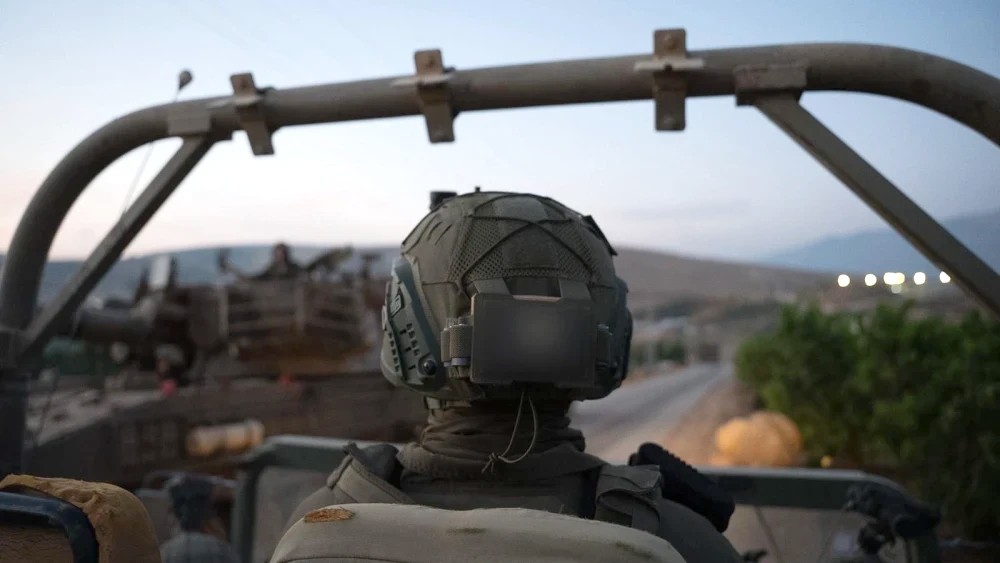
An Israeli soldier in Southern Lebanon, June 2026. Photo courtesy of the IDF.
The Iranian-backed Hezbollah terrorist organization on Monday night, June 15, fired “numerous rockets” toward Israel Defense Forces soldiers in Lebanon, in violation of the ceasefire with Beirut.
The Israeli Air Force intercepted the projectiles and no air-raid sirens were activated in Israeli territory “in accordance with protocol,” the military stated.
Jerusalem’s policy
Earlier on Monday, Hezbollah launched an anti-tank missile and mortar shells at troops operating in Southern Lebanon, according to the IDF. No injuries were reported in the attacks.
IDF soldiers on Monday also “identified a number of terrorists traveling in vehicles who approached IDF soldiers,” posing a direct threat to the troops. The IAF “carried out precise strikes on all of the threats,” it said.
The military vowed to “continue to operate to remove any immediate threat” emanating from Lebanon.
Jerusalem’s policy is for the IDF to remain in security zones across Lebanon, Syria and Gaza “indefinitely” to protect Israeli border communities, Israeli Defense Minister Israel Katz said earlier on Monday, after Tehran sought to tie the U.S.-Iran memorandum of understanding to Hezbollah.
Katz said that Israeli Prime Minister Benjamin Netanyahu and he were “leading a clear policy” under which the military presence would be maintained in Southern Lebanon.
The defense minister said the zones would be “cleared of local residents” and that “all terrorist infrastructure, above and below ground” would be dismantled. He added that this would include the destruction of houses in border villages that had been used as terror outposts.
In a separate address on Monday night, Netanyahu told Israelis that “the struggle is not over,” noting ongoing threats in Lebanon, Yemen, Syria, Judea and Samaria and the Gaza Strip.

The struggle
The IDF destroyed the overwhelming majority of missiles held by Hezbollah and took key positions from which the Iranian-backed terrorist army “threatened northern communities for years,” he went on to say.
“We broke the Iranian axis, the Iranian terror axis, and Hezbollah is a shadow of what it used to be,” Netanyahu declared.
Hezbollah vows to continue
Hezbollah earlier on Monday praised the Islamic Republic for completing the peace agreement with the United States.
In a statement carried by Lebanon’s Al-Akhbar daily, which is affiliated with Hezbollah, the terror group celebrated the deal as a “great achievement,” calling it “the fruit of the legendary steadfastness, exceptional resilience and immense sacrifices offered by the Iranian people and their wise leadership.”
Israel “must understand that there can be no return to the situation that existed before March 2, and that the resistance — which has always been and remains the vigilant guardian protecting the homeland and its people — will not accept any aggression that violates its nation’s sovereignty and the blood of its people,” it stated.
The Iranian terrorist army vowed to continue fighting the IDF “until full withdrawal is achieved and the prisoners are returned.”
Hezbollah renewed its rocket and drone attacks on Israel on March 2, following the targeted killing of Iranian Supreme Leader Ali Khamenei on the first day of “Operation Roaring Lion” on Feb. 28.
In response, Israel launched a broad aerial campaign against Hezbollah targets and expanded military operations in Southern Lebanon aimed at preventing cross-border attacks on Israeli communities.
Following the resumption of hostilities, Lebanese President Joseph Aoun vowed to do “the impossible” to stop cross-border hostilities between Israel and Hezbollah and moved to outlaw the Iranian proxy.
Israeli and Lebanese officials subsequently held four rounds of historic direct talks at the U.S. State Department, resulting in a ceasefire agreement that was renewed earlier this month to allow for further negotiations.
Originally published at
JNS
ADVERTISEMENT
Hezbollah launches rocket barrages at IDF in latest truce violation
The Iranian-backed group fired rockets at IDF troops in Lebanon June 15, breaching the ceasefire; the Israeli Air Force intercepted the projectiles.
JNS
3
mins read time
Originally published at
JNS
An Israeli soldier in Southern Lebanon, June 2026. Photo courtesy of the IDF.
The Iranian-backed Hezbollah terrorist organization on Monday night, June 15, fired “numerous rockets” toward Israel Defense Forces soldiers in Lebanon, in violation of the ceasefire with Beirut.
The Israeli Air Force intercepted the projectiles and no air-raid sirens were activated in Israeli territory “in accordance with protocol,” the military stated.
Jerusalem’s policy
Earlier on Monday, Hezbollah launched an anti-tank missile and mortar shells at troops operating in Southern Lebanon, according to the IDF. No injuries were reported in the attacks.
IDF soldiers on Monday also “identified a number of terrorists traveling in vehicles who approached IDF soldiers,” posing a direct threat to the troops. The IAF “carried out precise strikes on all of the threats,” it said.
The military vowed to “continue to operate to remove any immediate threat” emanating from Lebanon.
Jerusalem’s policy is for the IDF to remain in security zones across Lebanon, Syria and Gaza “indefinitely” to protect Israeli border communities, Israeli Defense Minister Israel Katz said earlier on Monday, after Tehran sought to tie the U.S.-Iran memorandum of understanding to Hezbollah.
Katz said that Israeli Prime Minister Benjamin Netanyahu and he were “leading a clear policy” under which the military presence would be maintained in Southern Lebanon.
The defense minister said the zones would be “cleared of local residents” and that “all terrorist infrastructure, above and below ground” would be dismantled. He added that this would include the destruction of houses in border villages that had been used as terror outposts.
In a separate address on Monday night, Netanyahu told Israelis that “the struggle is not over,” noting ongoing threats in Lebanon, Yemen, Syria, Judea and Samaria and the Gaza Strip.
The struggle
The IDF destroyed the overwhelming majority of missiles held by Hezbollah and took key positions from which the Iranian-backed terrorist army “threatened northern communities for years,” he went on to say.
“We broke the Iranian axis, the Iranian terror axis, and Hezbollah is a shadow of what it used to be,” Netanyahu declared.
Hezbollah vows to continue
Hezbollah earlier on Monday praised the Islamic Republic for completing the peace agreement with the United States.
In a statement carried by Lebanon’s Al-Akhbar daily, which is affiliated with Hezbollah, the terror group celebrated the deal as a “great achievement,” calling it “the fruit of the legendary steadfastness, exceptional resilience and immense sacrifices offered by the Iranian people and their wise leadership.”
Israel “must understand that there can be no return to the situation that existed before March 2, and that the resistance — which has always been and remains the vigilant guardian protecting the homeland and its people — will not accept any aggression that violates its nation’s sovereignty and the blood of its people,” it stated.
The Iranian terrorist army vowed to continue fighting the IDF “until full withdrawal is achieved and the prisoners are returned.”
Hezbollah renewed its rocket and drone attacks on Israel on March 2, following the targeted killing of Iranian Supreme Leader Ali Khamenei on the first day of “Operation Roaring Lion” on Feb. 28.
In response, Israel launched a broad aerial campaign against Hezbollah targets and expanded military operations in Southern Lebanon aimed at preventing cross-border attacks on Israeli communities.
Following the resumption of hostilities, Lebanese President Joseph Aoun vowed to do “the impossible” to stop cross-border hostilities between Israel and Hezbollah and moved to outlaw the Iranian proxy.
Israeli and Lebanese officials subsequently held four rounds of historic direct talks at the U.S. State Department, resulting in a ceasefire agreement that was renewed earlier this month to allow for further negotiations.
Originally published at
JNS
ADVERTISEMENT
Hezbollah launches rocket barrages at IDF in latest truce violation
The Iranian-backed group fired rockets at IDF troops in Lebanon June 15, breaching the ceasefire; the Israeli Air Force intercepted the projectiles.
JNS
3
mins read time
Originally published at
JNS
An Israeli soldier in Southern Lebanon, June 2026. Photo courtesy of the IDF.
The Iranian-backed Hezbollah terrorist organization on Monday night, June 15, fired “numerous rockets” toward Israel Defense Forces soldiers in Lebanon, in violation of the ceasefire with Beirut.
The Israeli Air Force intercepted the projectiles and no air-raid sirens were activated in Israeli territory “in accordance with protocol,” the military stated.
Jerusalem’s policy
Earlier on Monday, Hezbollah launched an anti-tank missile and mortar shells at troops operating in Southern Lebanon, according to the IDF. No injuries were reported in the attacks.
IDF soldiers on Monday also “identified a number of terrorists traveling in vehicles who approached IDF soldiers,” posing a direct threat to the troops. The IAF “carried out precise strikes on all of the threats,” it said.
The military vowed to “continue to operate to remove any immediate threat” emanating from Lebanon.
Jerusalem’s policy is for the IDF to remain in security zones across Lebanon, Syria and Gaza “indefinitely” to protect Israeli border communities, Israeli Defense Minister Israel Katz said earlier on Monday, after Tehran sought to tie the U.S.-Iran memorandum of understanding to Hezbollah.
Katz said that Israeli Prime Minister Benjamin Netanyahu and he were “leading a clear policy” under which the military presence would be maintained in Southern Lebanon.
The defense minister said the zones would be “cleared of local residents” and that “all terrorist infrastructure, above and below ground” would be dismantled. He added that this would include the destruction of houses in border villages that had been used as terror outposts.
In a separate address on Monday night, Netanyahu told Israelis that “the struggle is not over,” noting ongoing threats in Lebanon, Yemen, Syria, Judea and Samaria and the Gaza Strip.
The struggle
The IDF destroyed the overwhelming majority of missiles held by Hezbollah and took key positions from which the Iranian-backed terrorist army “threatened northern communities for years,” he went on to say.
“We broke the Iranian axis, the Iranian terror axis, and Hezbollah is a shadow of what it used to be,” Netanyahu declared.
Hezbollah vows to continue
Hezbollah earlier on Monday praised the Islamic Republic for completing the peace agreement with the United States.
In a statement carried by Lebanon’s Al-Akhbar daily, which is affiliated with Hezbollah, the terror group celebrated the deal as a “great achievement,” calling it “the fruit of the legendary steadfastness, exceptional resilience and immense sacrifices offered by the Iranian people and their wise leadership.”
Israel “must understand that there can be no return to the situation that existed before March 2, and that the resistance — which has always been and remains the vigilant guardian protecting the homeland and its people — will not accept any aggression that violates its nation’s sovereignty and the blood of its people,” it stated.
The Iranian terrorist army vowed to continue fighting the IDF “until full withdrawal is achieved and the prisoners are returned.”
Hezbollah renewed its rocket and drone attacks on Israel on March 2, following the targeted killing of Iranian Supreme Leader Ali Khamenei on the first day of “Operation Roaring Lion” on Feb. 28.
In response, Israel launched a broad aerial campaign against Hezbollah targets and expanded military operations in Southern Lebanon aimed at preventing cross-border attacks on Israeli communities.
Following the resumption of hostilities, Lebanese President Joseph Aoun vowed to do “the impossible” to stop cross-border hostilities between Israel and Hezbollah and moved to outlaw the Iranian proxy.
Israeli and Lebanese officials subsequently held four rounds of historic direct talks at the U.S. State Department, resulting in a ceasefire agreement that was renewed earlier this month to allow for further negotiations.
Originally published at
JNS
ADVERTISEMENT
Hezbollah launches rocket barrages at IDF in latest truce violation
The Iranian-backed group fired rockets at IDF troops in Lebanon June 15, breaching the ceasefire; the Israeli Air Force intercepted the projectiles.
JNS
3
mins read time
Originally published at
JNS
An Israeli soldier in Southern Lebanon, June 2026. Photo courtesy of the IDF.
The Iranian-backed Hezbollah terrorist organization on Monday night, June 15, fired “numerous rockets” toward Israel Defense Forces soldiers in Lebanon, in violation of the ceasefire with Beirut.
The Israeli Air Force intercepted the projectiles and no air-raid sirens were activated in Israeli territory “in accordance with protocol,” the military stated.
Jerusalem’s policy
Earlier on Monday, Hezbollah launched an anti-tank missile and mortar shells at troops operating in Southern Lebanon, according to the IDF. No injuries were reported in the attacks.
IDF soldiers on Monday also “identified a number of terrorists traveling in vehicles who approached IDF soldiers,” posing a direct threat to the troops. The IAF “carried out precise strikes on all of the threats,” it said.
The military vowed to “continue to operate to remove any immediate threat” emanating from Lebanon.
Jerusalem’s policy is for the IDF to remain in security zones across Lebanon, Syria and Gaza “indefinitely” to protect Israeli border communities, Israeli Defense Minister Israel Katz said earlier on Monday, after Tehran sought to tie the U.S.-Iran memorandum of understanding to Hezbollah.
Katz said that Israeli Prime Minister Benjamin Netanyahu and he were “leading a clear policy” under which the military presence would be maintained in Southern Lebanon.
The defense minister said the zones would be “cleared of local residents” and that “all terrorist infrastructure, above and below ground” would be dismantled. He added that this would include the destruction of houses in border villages that had been used as terror outposts.
In a separate address on Monday night, Netanyahu told Israelis that “the struggle is not over,” noting ongoing threats in Lebanon, Yemen, Syria, Judea and Samaria and the Gaza Strip.
The struggle
The IDF destroyed the overwhelming majority of missiles held by Hezbollah and took key positions from which the Iranian-backed terrorist army “threatened northern communities for years,” he went on to say.
“We broke the Iranian axis, the Iranian terror axis, and Hezbollah is a shadow of what it used to be,” Netanyahu declared.
Hezbollah vows to continue
Hezbollah earlier on Monday praised the Islamic Republic for completing the peace agreement with the United States.
In a statement carried by Lebanon’s Al-Akhbar daily, which is affiliated with Hezbollah, the terror group celebrated the deal as a “great achievement,” calling it “the fruit of the legendary steadfastness, exceptional resilience and immense sacrifices offered by the Iranian people and their wise leadership.”
Israel “must understand that there can be no return to the situation that existed before March 2, and that the resistance — which has always been and remains the vigilant guardian protecting the homeland and its people — will not accept any aggression that violates its nation’s sovereignty and the blood of its people,” it stated.
The Iranian terrorist army vowed to continue fighting the IDF “until full withdrawal is achieved and the prisoners are returned.”
Hezbollah renewed its rocket and drone attacks on Israel on March 2, following the targeted killing of Iranian Supreme Leader Ali Khamenei on the first day of “Operation Roaring Lion” on Feb. 28.
In response, Israel launched a broad aerial campaign against Hezbollah targets and expanded military operations in Southern Lebanon aimed at preventing cross-border attacks on Israeli communities.
Following the resumption of hostilities, Lebanese President Joseph Aoun vowed to do “the impossible” to stop cross-border hostilities between Israel and Hezbollah and moved to outlaw the Iranian proxy.
Israeli and Lebanese officials subsequently held four rounds of historic direct talks at the U.S. State Department, resulting in a ceasefire agreement that was renewed earlier this month to allow for further negotiations.
ADVERTISEMENT
Originally published at
JNS
ADVERTISEMENT
Related News

World
U.S. / National
‘Felt like a lynch mob,’ a mom says of NYC-funded fest, in which performer accuses Israel of ‘war crimes’
A Brooklyn mom says a City-funded NYC puppet festival turned into anti-Israel protest theater mid-show, leaving her family shaken.
Debra Nussbaum Cohen
August 27, 2026

World
Israel & Middle East
In a new book, Rabbi Leo Dee makes a ‘business case’ for Israel
Rabbi Leo Dee, a former venture capitalist turned rabbi, makes a data-driven case for investing one’s life in Israel in his new book.
Steve Linde
August 26, 2026

World
Israel & Middle East
New Gaza nutrition data from UNICEF shows ‘truth always prevails,’ Akunis says
Israel’s consul general in New York says a new UNICEF nutrition survey backs up his repeated denials of Gaza starvation claims.
Rebecca Szlechter
Rikki Zagelbaum
August 26, 2026
World
U.S. / National
‘Felt like a lynch mob,’ a mom says of NYC-funded fest, in which performer accuses Israel of ‘war crimes’
A Brooklyn mom says a City-funded NYC puppet festival turned into anti-Israel protest theater mid-show, leaving her family shaken.
Debra Nussbaum Cohen
August 27, 2026
World
Israel & Middle East
In a new book, Rabbi Leo Dee makes a ‘business case’ for Israel
Rabbi Leo Dee, a former venture capitalist turned rabbi, makes a data-driven case for investing one’s life in Israel in his new book.
Steve Linde
August 26, 2026
World
Israel & Middle East
New Gaza nutrition data from UNICEF shows ‘truth always prevails,’ Akunis says
Israel’s consul general in New York says a new UNICEF nutrition survey backs up his repeated denials of Gaza starvation claims.
Rebecca Szlechter
Rikki Zagelbaum
August 26, 2026

World
Israel & Middle East
Palestinian Authority employed Hamas’s Oct. 7 planners, study finds
A new study ties Palestinian Authority salaries for freed prisoners to the planning of Hamas’s Oct. 7 attack, its author tells JNS.
David Isaac
August 19, 2026

© 2026 The Jewish World · Since 1965 - The Capital Region's gateway to Jewish life
Designed and Developed by Ta-Da Studios
© 2026 The Jewish World · Since 1965 - The Capital Region's gateway to Jewish life
Designed and Developed by Ta-Da Studios
© 2026 The Jewish World · Since 1965 - The Capital Region's gateway to Jewish life
Designed and Developed by Ta-Da Studios
© 2026 The Jewish World · Since 1965 - The Capital Region's gateway to Jewish life
Designed and Developed by Ta-Da Studios