Israeli start-up tackles drink spiking
Drink spiking stays underreported at bars and on campuses. Israeli startup WiSP built a reusable scanner and app to catch it before the first sip.
Sharon Altshul
4
mins read time
Originally published at
JNS
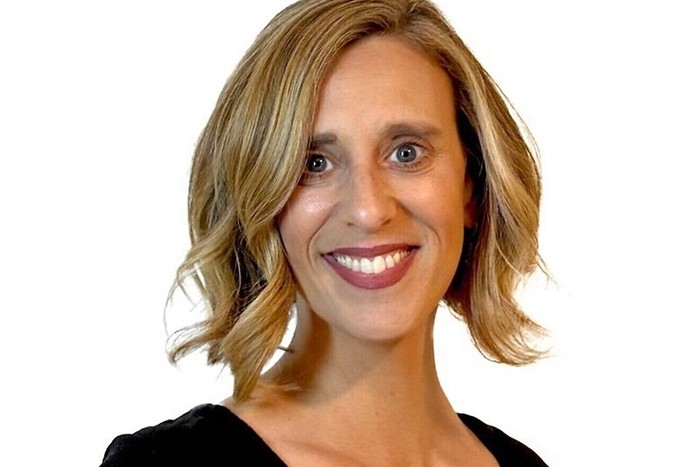
WiSP CEO and co-founder Liat Kaplan. Courtesy.
In bars, clubs and college campuses across the world, a hidden threat lingers at the bottom of the glass. Drug-facilitated assaults remain an underreported but persistent danger—and an Israeli startup believes it has found the answer.
WiSP, founded in 2022, has developed a small, reusable device paired with an app that instantly scans drinks for the presence of drugs and alcohol. Its founders call it “cybersecurity for consumption.”
Safer choices
“We test everything after it’s in us. Why not before?” CEO and co-founder Liat Kaplan asked rhetorically in a recent interview with JNS. “WiSP began with drink spiking detection, but our vision is broader. We want to empower people to make safer choices and to take control of their wellness.”
WiSP was launched by Liat Kaplan, chemical analyst Aviv Kaplan and electro-optical specialist Dr. David Avraham.
At its core is Raman spectroscopy, a proven forensic technique that identifies substances by their molecular “fingerprints.”
Unlike single-use strips that are slow and limited, WiSP’s system works in seconds, providing reliable results without altering the drink.
The current prototype is the size of a small console with a handheld wand (2 by 8 by 10 inches). A pocket-sized version—small enough to slip into a handbag or jacket—is already in development. The device connects to the WiSP app, which delivers real-time alerts, safety insights, and educational tools.
Kaplan calls it a platform, not just a product. “Our vision goes beyond drink spiking detection. We want to empower people to make safer choices and take control of their wellness,” he said.
Tested On Campus
The urgency behind WiSP’s first use case is obvious. In the United States, drug spiking is a recurring threat in nightlife and college Greek life communities.
During a pilot program at several universities, students welcomed the technology.
“For the last several weeks, we’ve brought our WiSP with us everywhere,” said Elise Purcell, an undergraduate at Washington University in St. Louis. “It became part of our normal night out. Once people noticed it, they wanted to learn more. Everyone felt safer knowing it was there.”
More than 80% of participants said the device improved their sense of safety—proof that WiSP is addressing a real problem.
ADVERTISEMENT
Actionable wellness
WiSP’s founders say drink spiking is only the beginning. The company is already working on add-ons for measuring alcohol and sugar content, and has longer-term plans to detect fentanyl, allergens and bacteria such as E. coli.
“WiSP is a platform for actionable wellness,” Kaplan explained. “It’s not just about avoiding danger; it’s about understanding what you put in your body, tracking trends and reaching personal goals.”
Future features could help users monitor nutrition, manage workout regimens and receive personalized wellness insights.
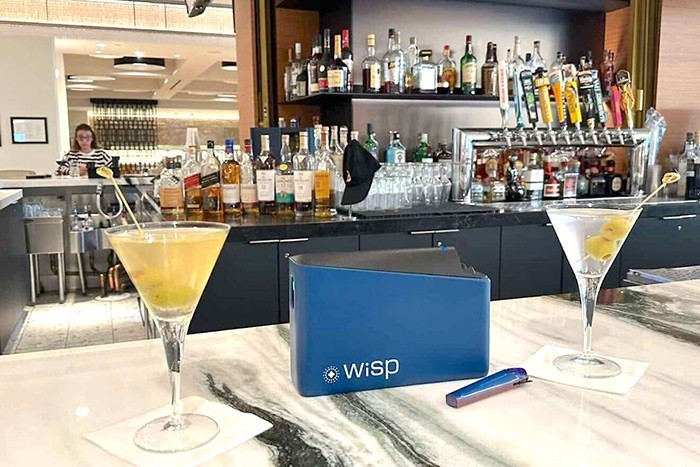
WiSP has developed a small, reusable device paired with an app that instantly scans drinks for drugs and alcohol content. Courtesy.
Market Strategy
WiSP’s go-to-market strategy is ambitious: partnerships with fraternities and sororities, collaborations with city governments and integration into public-safety initiatives. Kaplan confirmed that the company is in discussions with U.S. senators and municipal leaders to bring WiSP into broader safety campaigns.
The first international pilot took place in Nottingham, England, where the city incorporated WiSP into its nightlife safety program.
“As a city committed to creating a vibrant and welcoming nightlife, Nottingham is always exploring innovative ways to enhance the experience for everyone,” said Rich Lane, head of Operations and Business Crime.
“Partnering with WiSP reflects our commitment to confidence and well-being. By embracing solutions like WiSP, we empower individuals to take control of their safety and reinforce Nottingham’s status as a modern, inclusive city.”
Commercial opportunity
For investors, WiSP represents both a social good and a commercial opportunity.
“Investing in a start-up is always a nuanced process,” said venture capitalist Rich Moran, an early backer. “I have full confidence in WiSP as a force in tech and nightlife safety. Drink spiking is just the beginning. WiSP is poised to become a category leader that empowers individuals and changes how we think about personal safety.”
Commercial release is expected in 2026, with WiSP positioning itself at the intersection of safety, science and lifestyle.
With growing awareness of personal security, particularly among students and young adults, the timing may be ideal.
If successful, WiSP won’t just track our steps or heartbeats. It could mark the start of a new frontier, where technology actively protects us from the hidden dangers in what we consume.
Originally published at
JNS
ADVERTISEMENT
Israeli start-up tackles drink spiking
Drink spiking stays underreported at bars and on campuses. Israeli startup WiSP built a reusable scanner and app to catch it before the first sip.
Sharon Altshul
4
mins read time
Originally published at
JNS
WiSP CEO and co-founder Liat Kaplan. Courtesy.
In bars, clubs and college campuses across the world, a hidden threat lingers at the bottom of the glass. Drug-facilitated assaults remain an underreported but persistent danger—and an Israeli startup believes it has found the answer.
WiSP, founded in 2022, has developed a small, reusable device paired with an app that instantly scans drinks for the presence of drugs and alcohol. Its founders call it “cybersecurity for consumption.”
Safer choices
“We test everything after it’s in us. Why not before?” CEO and co-founder Liat Kaplan asked rhetorically in a recent interview with JNS. “WiSP began with drink spiking detection, but our vision is broader. We want to empower people to make safer choices and to take control of their wellness.”
WiSP was launched by Liat Kaplan, chemical analyst Aviv Kaplan and electro-optical specialist Dr. David Avraham.
At its core is Raman spectroscopy, a proven forensic technique that identifies substances by their molecular “fingerprints.”
Unlike single-use strips that are slow and limited, WiSP’s system works in seconds, providing reliable results without altering the drink.
The current prototype is the size of a small console with a handheld wand (2 by 8 by 10 inches). A pocket-sized version—small enough to slip into a handbag or jacket—is already in development. The device connects to the WiSP app, which delivers real-time alerts, safety insights, and educational tools.
Kaplan calls it a platform, not just a product. “Our vision goes beyond drink spiking detection. We want to empower people to make safer choices and take control of their wellness,” he said.
Tested On Campus
The urgency behind WiSP’s first use case is obvious. In the United States, drug spiking is a recurring threat in nightlife and college Greek life communities.
During a pilot program at several universities, students welcomed the technology.
“For the last several weeks, we’ve brought our WiSP with us everywhere,” said Elise Purcell, an undergraduate at Washington University in St. Louis. “It became part of our normal night out. Once people noticed it, they wanted to learn more. Everyone felt safer knowing it was there.”
More than 80% of participants said the device improved their sense of safety—proof that WiSP is addressing a real problem.
ADVERTISEMENT
Actionable wellness
WiSP’s founders say drink spiking is only the beginning. The company is already working on add-ons for measuring alcohol and sugar content, and has longer-term plans to detect fentanyl, allergens and bacteria such as E. coli.
“WiSP is a platform for actionable wellness,” Kaplan explained. “It’s not just about avoiding danger; it’s about understanding what you put in your body, tracking trends and reaching personal goals.”
Future features could help users monitor nutrition, manage workout regimens and receive personalized wellness insights.
WiSP has developed a small, reusable device paired with an app that instantly scans drinks for drugs and alcohol content. Courtesy.
Market Strategy
WiSP’s go-to-market strategy is ambitious: partnerships with fraternities and sororities, collaborations with city governments and integration into public-safety initiatives. Kaplan confirmed that the company is in discussions with U.S. senators and municipal leaders to bring WiSP into broader safety campaigns.
The first international pilot took place in Nottingham, England, where the city incorporated WiSP into its nightlife safety program.
“As a city committed to creating a vibrant and welcoming nightlife, Nottingham is always exploring innovative ways to enhance the experience for everyone,” said Rich Lane, head of Operations and Business Crime.
“Partnering with WiSP reflects our commitment to confidence and well-being. By embracing solutions like WiSP, we empower individuals to take control of their safety and reinforce Nottingham’s status as a modern, inclusive city.”
Commercial opportunity
For investors, WiSP represents both a social good and a commercial opportunity.
“Investing in a start-up is always a nuanced process,” said venture capitalist Rich Moran, an early backer. “I have full confidence in WiSP as a force in tech and nightlife safety. Drink spiking is just the beginning. WiSP is poised to become a category leader that empowers individuals and changes how we think about personal safety.”
Commercial release is expected in 2026, with WiSP positioning itself at the intersection of safety, science and lifestyle.
With growing awareness of personal security, particularly among students and young adults, the timing may be ideal.
If successful, WiSP won’t just track our steps or heartbeats. It could mark the start of a new frontier, where technology actively protects us from the hidden dangers in what we consume.
Originally published at
JNS
ADVERTISEMENT
Israeli start-up tackles drink spiking
Drink spiking stays underreported at bars and on campuses. Israeli startup WiSP built a reusable scanner and app to catch it before the first sip.
Sharon Altshul
4
mins read time
Originally published at
JNS
WiSP CEO and co-founder Liat Kaplan. Courtesy.
In bars, clubs and college campuses across the world, a hidden threat lingers at the bottom of the glass. Drug-facilitated assaults remain an underreported but persistent danger—and an Israeli startup believes it has found the answer.
WiSP, founded in 2022, has developed a small, reusable device paired with an app that instantly scans drinks for the presence of drugs and alcohol. Its founders call it “cybersecurity for consumption.”
Safer choices
“We test everything after it’s in us. Why not before?” CEO and co-founder Liat Kaplan asked rhetorically in a recent interview with JNS. “WiSP began with drink spiking detection, but our vision is broader. We want to empower people to make safer choices and to take control of their wellness.”
WiSP was launched by Liat Kaplan, chemical analyst Aviv Kaplan and electro-optical specialist Dr. David Avraham.
At its core is Raman spectroscopy, a proven forensic technique that identifies substances by their molecular “fingerprints.”
Unlike single-use strips that are slow and limited, WiSP’s system works in seconds, providing reliable results without altering the drink.
The current prototype is the size of a small console with a handheld wand (2 by 8 by 10 inches). A pocket-sized version—small enough to slip into a handbag or jacket—is already in development. The device connects to the WiSP app, which delivers real-time alerts, safety insights, and educational tools.
Kaplan calls it a platform, not just a product. “Our vision goes beyond drink spiking detection. We want to empower people to make safer choices and take control of their wellness,” he said.
Tested On Campus
The urgency behind WiSP’s first use case is obvious. In the United States, drug spiking is a recurring threat in nightlife and college Greek life communities.
During a pilot program at several universities, students welcomed the technology.
“For the last several weeks, we’ve brought our WiSP with us everywhere,” said Elise Purcell, an undergraduate at Washington University in St. Louis. “It became part of our normal night out. Once people noticed it, they wanted to learn more. Everyone felt safer knowing it was there.”
More than 80% of participants said the device improved their sense of safety—proof that WiSP is addressing a real problem.
ADVERTISEMENT
Actionable wellness
WiSP’s founders say drink spiking is only the beginning. The company is already working on add-ons for measuring alcohol and sugar content, and has longer-term plans to detect fentanyl, allergens and bacteria such as E. coli.
“WiSP is a platform for actionable wellness,” Kaplan explained. “It’s not just about avoiding danger; it’s about understanding what you put in your body, tracking trends and reaching personal goals.”
Future features could help users monitor nutrition, manage workout regimens and receive personalized wellness insights.
WiSP has developed a small, reusable device paired with an app that instantly scans drinks for drugs and alcohol content. Courtesy.
Market Strategy
WiSP’s go-to-market strategy is ambitious: partnerships with fraternities and sororities, collaborations with city governments and integration into public-safety initiatives. Kaplan confirmed that the company is in discussions with U.S. senators and municipal leaders to bring WiSP into broader safety campaigns.
The first international pilot took place in Nottingham, England, where the city incorporated WiSP into its nightlife safety program.
“As a city committed to creating a vibrant and welcoming nightlife, Nottingham is always exploring innovative ways to enhance the experience for everyone,” said Rich Lane, head of Operations and Business Crime.
“Partnering with WiSP reflects our commitment to confidence and well-being. By embracing solutions like WiSP, we empower individuals to take control of their safety and reinforce Nottingham’s status as a modern, inclusive city.”
Commercial opportunity
For investors, WiSP represents both a social good and a commercial opportunity.
“Investing in a start-up is always a nuanced process,” said venture capitalist Rich Moran, an early backer. “I have full confidence in WiSP as a force in tech and nightlife safety. Drink spiking is just the beginning. WiSP is poised to become a category leader that empowers individuals and changes how we think about personal safety.”
Commercial release is expected in 2026, with WiSP positioning itself at the intersection of safety, science and lifestyle.
With growing awareness of personal security, particularly among students and young adults, the timing may be ideal.
If successful, WiSP won’t just track our steps or heartbeats. It could mark the start of a new frontier, where technology actively protects us from the hidden dangers in what we consume.
Originally published at
JNS
ADVERTISEMENT
Israeli start-up tackles drink spiking
Drink spiking stays underreported at bars and on campuses. Israeli startup WiSP built a reusable scanner and app to catch it before the first sip.
Sharon Altshul
4
mins read time
Originally published at
JNS
WiSP CEO and co-founder Liat Kaplan. Courtesy.
In bars, clubs and college campuses across the world, a hidden threat lingers at the bottom of the glass. Drug-facilitated assaults remain an underreported but persistent danger—and an Israeli startup believes it has found the answer.
WiSP, founded in 2022, has developed a small, reusable device paired with an app that instantly scans drinks for the presence of drugs and alcohol. Its founders call it “cybersecurity for consumption.”
Safer choices
“We test everything after it’s in us. Why not before?” CEO and co-founder Liat Kaplan asked rhetorically in a recent interview with JNS. “WiSP began with drink spiking detection, but our vision is broader. We want to empower people to make safer choices and to take control of their wellness.”
WiSP was launched by Liat Kaplan, chemical analyst Aviv Kaplan and electro-optical specialist Dr. David Avraham.
At its core is Raman spectroscopy, a proven forensic technique that identifies substances by their molecular “fingerprints.”
Unlike single-use strips that are slow and limited, WiSP’s system works in seconds, providing reliable results without altering the drink.
The current prototype is the size of a small console with a handheld wand (2 by 8 by 10 inches). A pocket-sized version—small enough to slip into a handbag or jacket—is already in development. The device connects to the WiSP app, which delivers real-time alerts, safety insights, and educational tools.
Kaplan calls it a platform, not just a product. “Our vision goes beyond drink spiking detection. We want to empower people to make safer choices and take control of their wellness,” he said.
Tested On Campus
The urgency behind WiSP’s first use case is obvious. In the United States, drug spiking is a recurring threat in nightlife and college Greek life communities.
During a pilot program at several universities, students welcomed the technology.
“For the last several weeks, we’ve brought our WiSP with us everywhere,” said Elise Purcell, an undergraduate at Washington University in St. Louis. “It became part of our normal night out. Once people noticed it, they wanted to learn more. Everyone felt safer knowing it was there.”
More than 80% of participants said the device improved their sense of safety—proof that WiSP is addressing a real problem.
ADVERTISEMENT
Actionable wellness
WiSP’s founders say drink spiking is only the beginning. The company is already working on add-ons for measuring alcohol and sugar content, and has longer-term plans to detect fentanyl, allergens and bacteria such as E. coli.
“WiSP is a platform for actionable wellness,” Kaplan explained. “It’s not just about avoiding danger; it’s about understanding what you put in your body, tracking trends and reaching personal goals.”
Future features could help users monitor nutrition, manage workout regimens and receive personalized wellness insights.
WiSP has developed a small, reusable device paired with an app that instantly scans drinks for drugs and alcohol content. Courtesy.
Market Strategy
WiSP’s go-to-market strategy is ambitious: partnerships with fraternities and sororities, collaborations with city governments and integration into public-safety initiatives. Kaplan confirmed that the company is in discussions with U.S. senators and municipal leaders to bring WiSP into broader safety campaigns.
The first international pilot took place in Nottingham, England, where the city incorporated WiSP into its nightlife safety program.
“As a city committed to creating a vibrant and welcoming nightlife, Nottingham is always exploring innovative ways to enhance the experience for everyone,” said Rich Lane, head of Operations and Business Crime.
“Partnering with WiSP reflects our commitment to confidence and well-being. By embracing solutions like WiSP, we empower individuals to take control of their safety and reinforce Nottingham’s status as a modern, inclusive city.”
Commercial opportunity
For investors, WiSP represents both a social good and a commercial opportunity.
“Investing in a start-up is always a nuanced process,” said venture capitalist Rich Moran, an early backer. “I have full confidence in WiSP as a force in tech and nightlife safety. Drink spiking is just the beginning. WiSP is poised to become a category leader that empowers individuals and changes how we think about personal safety.”
Commercial release is expected in 2026, with WiSP positioning itself at the intersection of safety, science and lifestyle.
With growing awareness of personal security, particularly among students and young adults, the timing may be ideal.
If successful, WiSP won’t just track our steps or heartbeats. It could mark the start of a new frontier, where technology actively protects us from the hidden dangers in what we consume.
ADVERTISEMENT
Originally published at
JNS
ADVERTISEMENT
Related News

World
Israel & Middle East
Overcoming serious challenges, Israeli team conquers Kilimanjaro
Israelis facing disabilities, illness and loss joined dozens more to summit Mount Kilimanjaro in July, showing what resilience can accomplish.
Howard Blas
September 24, 2026

World
Israel & Middle East
Who gets the shekels this new year? Israel’s changing charity map
Jgive and the Central Fund for Israel say holiday giving is shifting toward PTSD care and homegrown Israeli donors since Oct. 7, not drying up.
Judith Segaloff
September 24, 2026

World
Israel & Middle East
Survivor pens open letter to students
A 98-year-old Holocaust survivor’s open letter urges Jewish students returning to campus to stand proudly and never let hatred define them.
JNS
September 1, 2026
World
Israel & Middle East
Overcoming serious challenges, Israeli team conquers Kilimanjaro
Israelis facing disabilities, illness and loss joined dozens more to summit Mount Kilimanjaro in July, showing what resilience can accomplish.
Howard Blas
September 24, 2026
World
Israel & Middle East
Who gets the shekels this new year? Israel’s changing charity map
Jgive and the Central Fund for Israel say holiday giving is shifting toward PTSD care and homegrown Israeli donors since Oct. 7, not drying up.
Judith Segaloff
September 24, 2026
World
Israel & Middle East
Survivor pens open letter to students
A 98-year-old Holocaust survivor’s open letter urges Jewish students returning to campus to stand proudly and never let hatred define them.
JNS
September 1, 2026

World
U.S. / National
JBI Library expands free accessible High Holiday resources
Free High Holy Day prayer books in braille, large print and audio, plus virtual programs, for people who are blind or have low vision.
The Jewish World
August 20, 2026

© 2026 The Jewish World · Since 1965 - The Capital Region's gateway to Jewish life
Designed and Developed by Ta-Da Studios
© 2026 The Jewish World · Since 1965 - The Capital Region's gateway to Jewish life
Designed and Developed by Ta-Da Studios
© 2026 The Jewish World · Since 1965 - The Capital Region's gateway to Jewish life
Designed and Developed by Ta-Da Studios
© 2026 The Jewish World · Since 1965 - The Capital Region's gateway to Jewish life
Designed and Developed by Ta-Da Studios