Sugar in soft drinks triggers genetic shifts in gut microbes, altering immune responses
Researchers from Israel's Technion found that sugar in soft drinks alters gut bacteria DNA and affects immune responses, with reversible effects.
The Jewish World Team
3 mins read
Published by
The Jewish World
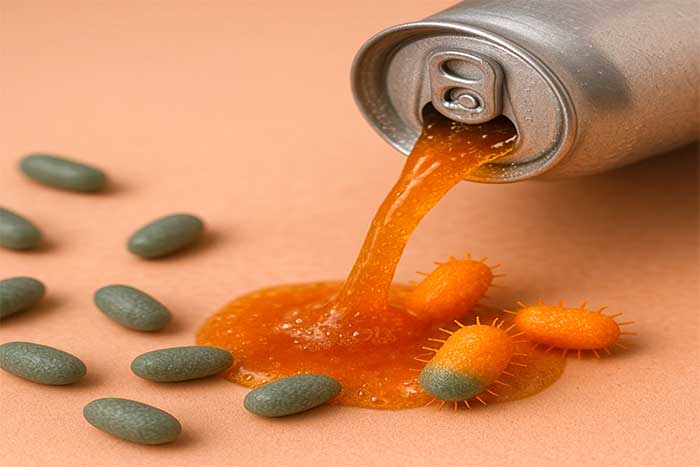
The effect of a sweetened beverage on bacterial function, a demonstration of functional plasticity. Image created by AI and inspired by an illustration by Tom Blum, a student in the research group.
The consumption of soft drinks, supplemented with white sugar, alters the DNA of gut bacteria and affects the host immune system. The good news? These effects are reversible. Findings by researchers from the Ruth and Bruce Rappaport Faculty of Medicine at the Technion-Israel Institute of Technology—Prof. Naama Geva-Zatorsky, Ph.D. student Noa Gal-Mandelbaum and other members of the Geva-Zatorsky team—were recently published in Nature Communications. Tamar Ziv and the Smoler Proteomics Center at the Technion assisted with the research.
Gut bacteria are important members of the microbial community within the human body, i.e., the microbiome. These bacteria, which have co-evolved with humans for generations, are so essential to human health and the development of the immune system that human beings cannot function without them.
ADVERTISEMENT
Rapid Genetic Switches
The human gut is constantly influenced by changes in the environment. To keep up, gut bacteria must adapt quickly. They do this through a process called functional plasticity, which allows them to change their behavior and functions in response to factors like nearby microbes, health status and what individuals eat.
A previous study by the Geva-Zatorsky lab discovered that one way gut bacteria adapt to environmental changes is through DNA inversions—rapid genetic switches that help them respond and defend themselves.
In their current study, published on May 28, the researchers investigated how these DNA inversions occur in response to dietary factors. They found that consuming soft drinks, which contain white sugar, can alter the DNA of gut bacteria and, in turn, impact the host’s immune system.
The study focused on Bacteroides thetaiotaomicron—a prominent gut member that takes part in preventing gut inflammation, preserving the gut mucus layer and protecting the host from pathogen invasion.
The team members examined the effects of consuming different dietary components on the DNA inversion profile of these bacteria—in vitro, in mice and in humans. They discovered that white sugar consumption causes DNA inversions in these bacteria, which led to changes in inflammatory markers of the immune system, including ones in T-cell populations, cytokine secretion and gut permeability.
Effects Are Reversible
The good news is that these effects are reversible; once mice stopped consuming white sugar, the bacterial DNA inversion state reverted, and the immune system’s state returned to normal.
The study stresses the importance of studying complex effects of nutrition on the microbiome, assessing that it will allow tailored dietary recommendations for humans to improve their immune system’s state and health in general.
The research was supported by the Technion President’s Fund; RTICC–The Rappaport Technion Integrated Cancer Research Center; the Alon Fellowship for Outstanding New Faculty; the Seerave Foundation; CIFAR (Canadian Institute for Advanced Research); and the European Research Council.
ADVERTISEMENT
Sugar in soft drinks triggers genetic shifts in gut microbes, altering immune responses
Researchers from Israel's Technion found that sugar in soft drinks alters gut bacteria DNA and affects immune responses, with reversible effects.
The Jewish World Team
3 mins read
Published by
The Jewish World
The effect of a sweetened beverage on bacterial function, a demonstration of functional plasticity. Image created by AI and inspired by an illustration by Tom Blum, a student in the research group.
The consumption of soft drinks, supplemented with white sugar, alters the DNA of gut bacteria and affects the host immune system. The good news? These effects are reversible. Findings by researchers from the Ruth and Bruce Rappaport Faculty of Medicine at the Technion-Israel Institute of Technology—Prof. Naama Geva-Zatorsky, Ph.D. student Noa Gal-Mandelbaum and other members of the Geva-Zatorsky team—were recently published in Nature Communications. Tamar Ziv and the Smoler Proteomics Center at the Technion assisted with the research.
Gut bacteria are important members of the microbial community within the human body, i.e., the microbiome. These bacteria, which have co-evolved with humans for generations, are so essential to human health and the development of the immune system that human beings cannot function without them.
ADVERTISEMENT
Rapid Genetic Switches
The human gut is constantly influenced by changes in the environment. To keep up, gut bacteria must adapt quickly. They do this through a process called functional plasticity, which allows them to change their behavior and functions in response to factors like nearby microbes, health status and what individuals eat.
A previous study by the Geva-Zatorsky lab discovered that one way gut bacteria adapt to environmental changes is through DNA inversions—rapid genetic switches that help them respond and defend themselves.
In their current study, published on May 28, the researchers investigated how these DNA inversions occur in response to dietary factors. They found that consuming soft drinks, which contain white sugar, can alter the DNA of gut bacteria and, in turn, impact the host’s immune system.
The study focused on Bacteroides thetaiotaomicron—a prominent gut member that takes part in preventing gut inflammation, preserving the gut mucus layer and protecting the host from pathogen invasion.
The team members examined the effects of consuming different dietary components on the DNA inversion profile of these bacteria—in vitro, in mice and in humans. They discovered that white sugar consumption causes DNA inversions in these bacteria, which led to changes in inflammatory markers of the immune system, including ones in T-cell populations, cytokine secretion and gut permeability.
Effects Are Reversible
The good news is that these effects are reversible; once mice stopped consuming white sugar, the bacterial DNA inversion state reverted, and the immune system’s state returned to normal.
The study stresses the importance of studying complex effects of nutrition on the microbiome, assessing that it will allow tailored dietary recommendations for humans to improve their immune system’s state and health in general.
The research was supported by the Technion President’s Fund; RTICC–The Rappaport Technion Integrated Cancer Research Center; the Alon Fellowship for Outstanding New Faculty; the Seerave Foundation; CIFAR (Canadian Institute for Advanced Research); and the European Research Council.
ADVERTISEMENT
Sugar in soft drinks triggers genetic shifts in gut microbes, altering immune responses
Researchers from Israel's Technion found that sugar in soft drinks alters gut bacteria DNA and affects immune responses, with reversible effects.
The Jewish World Team
3 mins read
Published by
The Jewish World
The effect of a sweetened beverage on bacterial function, a demonstration of functional plasticity. Image created by AI and inspired by an illustration by Tom Blum, a student in the research group.
The consumption of soft drinks, supplemented with white sugar, alters the DNA of gut bacteria and affects the host immune system. The good news? These effects are reversible. Findings by researchers from the Ruth and Bruce Rappaport Faculty of Medicine at the Technion-Israel Institute of Technology—Prof. Naama Geva-Zatorsky, Ph.D. student Noa Gal-Mandelbaum and other members of the Geva-Zatorsky team—were recently published in Nature Communications. Tamar Ziv and the Smoler Proteomics Center at the Technion assisted with the research.
Gut bacteria are important members of the microbial community within the human body, i.e., the microbiome. These bacteria, which have co-evolved with humans for generations, are so essential to human health and the development of the immune system that human beings cannot function without them.
ADVERTISEMENT
Rapid Genetic Switches
The human gut is constantly influenced by changes in the environment. To keep up, gut bacteria must adapt quickly. They do this through a process called functional plasticity, which allows them to change their behavior and functions in response to factors like nearby microbes, health status and what individuals eat.
A previous study by the Geva-Zatorsky lab discovered that one way gut bacteria adapt to environmental changes is through DNA inversions—rapid genetic switches that help them respond and defend themselves.
In their current study, published on May 28, the researchers investigated how these DNA inversions occur in response to dietary factors. They found that consuming soft drinks, which contain white sugar, can alter the DNA of gut bacteria and, in turn, impact the host’s immune system.
The study focused on Bacteroides thetaiotaomicron—a prominent gut member that takes part in preventing gut inflammation, preserving the gut mucus layer and protecting the host from pathogen invasion.
The team members examined the effects of consuming different dietary components on the DNA inversion profile of these bacteria—in vitro, in mice and in humans. They discovered that white sugar consumption causes DNA inversions in these bacteria, which led to changes in inflammatory markers of the immune system, including ones in T-cell populations, cytokine secretion and gut permeability.
Effects Are Reversible
The good news is that these effects are reversible; once mice stopped consuming white sugar, the bacterial DNA inversion state reverted, and the immune system’s state returned to normal.
The study stresses the importance of studying complex effects of nutrition on the microbiome, assessing that it will allow tailored dietary recommendations for humans to improve their immune system’s state and health in general.
The research was supported by the Technion President’s Fund; RTICC–The Rappaport Technion Integrated Cancer Research Center; the Alon Fellowship for Outstanding New Faculty; the Seerave Foundation; CIFAR (Canadian Institute for Advanced Research); and the European Research Council.
ADVERTISEMENT
Sugar in soft drinks triggers genetic shifts in gut microbes, altering immune responses
Researchers from Israel's Technion found that sugar in soft drinks alters gut bacteria DNA and affects immune responses, with reversible effects.
The Jewish World Team
3 mins read
Published by
The Jewish World
The effect of a sweetened beverage on bacterial function, a demonstration of functional plasticity. Image created by AI and inspired by an illustration by Tom Blum, a student in the research group.
The consumption of soft drinks, supplemented with white sugar, alters the DNA of gut bacteria and affects the host immune system. The good news? These effects are reversible. Findings by researchers from the Ruth and Bruce Rappaport Faculty of Medicine at the Technion-Israel Institute of Technology—Prof. Naama Geva-Zatorsky, Ph.D. student Noa Gal-Mandelbaum and other members of the Geva-Zatorsky team—were recently published in Nature Communications. Tamar Ziv and the Smoler Proteomics Center at the Technion assisted with the research.
Gut bacteria are important members of the microbial community within the human body, i.e., the microbiome. These bacteria, which have co-evolved with humans for generations, are so essential to human health and the development of the immune system that human beings cannot function without them.
ADVERTISEMENT
Rapid Genetic Switches
The human gut is constantly influenced by changes in the environment. To keep up, gut bacteria must adapt quickly. They do this through a process called functional plasticity, which allows them to change their behavior and functions in response to factors like nearby microbes, health status and what individuals eat.
A previous study by the Geva-Zatorsky lab discovered that one way gut bacteria adapt to environmental changes is through DNA inversions—rapid genetic switches that help them respond and defend themselves.
In their current study, published on May 28, the researchers investigated how these DNA inversions occur in response to dietary factors. They found that consuming soft drinks, which contain white sugar, can alter the DNA of gut bacteria and, in turn, impact the host’s immune system.
The study focused on Bacteroides thetaiotaomicron—a prominent gut member that takes part in preventing gut inflammation, preserving the gut mucus layer and protecting the host from pathogen invasion.
The team members examined the effects of consuming different dietary components on the DNA inversion profile of these bacteria—in vitro, in mice and in humans. They discovered that white sugar consumption causes DNA inversions in these bacteria, which led to changes in inflammatory markers of the immune system, including ones in T-cell populations, cytokine secretion and gut permeability.
Effects Are Reversible
The good news is that these effects are reversible; once mice stopped consuming white sugar, the bacterial DNA inversion state reverted, and the immune system’s state returned to normal.
The study stresses the importance of studying complex effects of nutrition on the microbiome, assessing that it will allow tailored dietary recommendations for humans to improve their immune system’s state and health in general.
The research was supported by the Technion President’s Fund; RTICC–The Rappaport Technion Integrated Cancer Research Center; the Alon Fellowship for Outstanding New Faculty; the Seerave Foundation; CIFAR (Canadian Institute for Advanced Research); and the European Research Council.
ADVERTISEMENT
Related News
World
U.S. / National
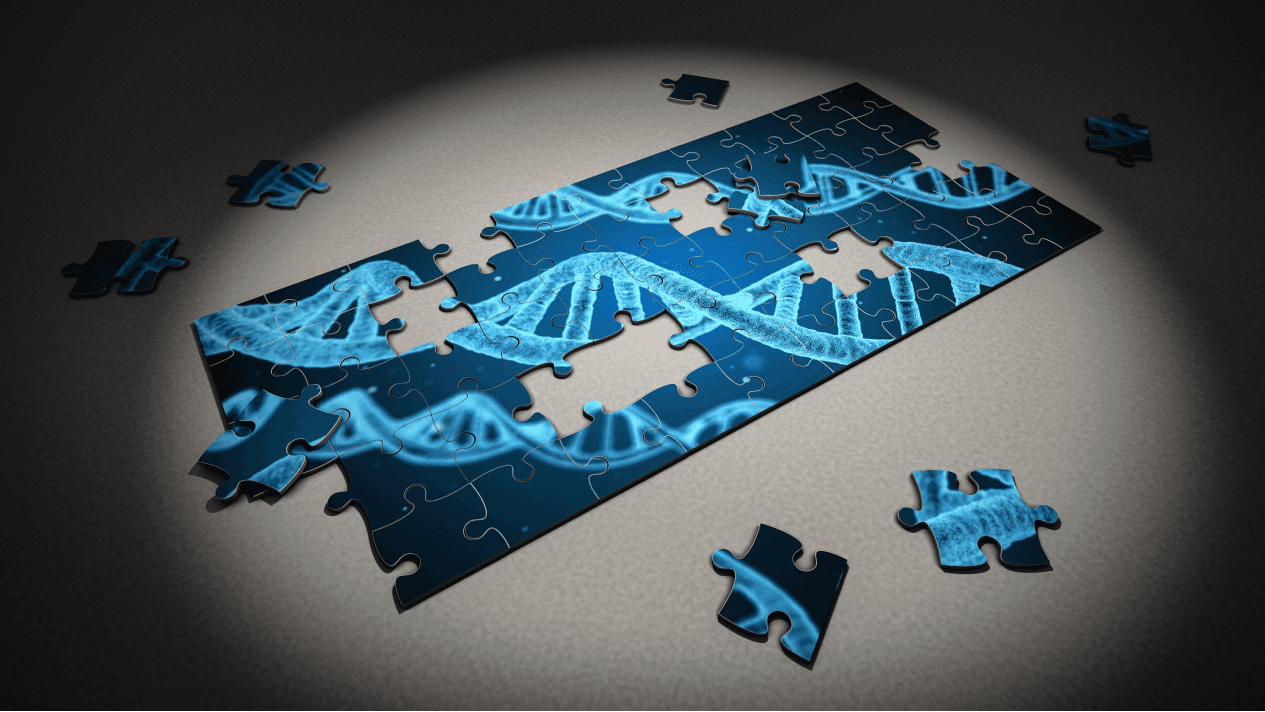
jscreen marks Jewish American Heritage Month
ATLANTA, Ga. – In recognition of Jewish American Heritage Month, the national public health initiative jscreen is celebrating the enduring legacy,…
The Jewish World Team
May 14, 2026
World
Israel & Middle East
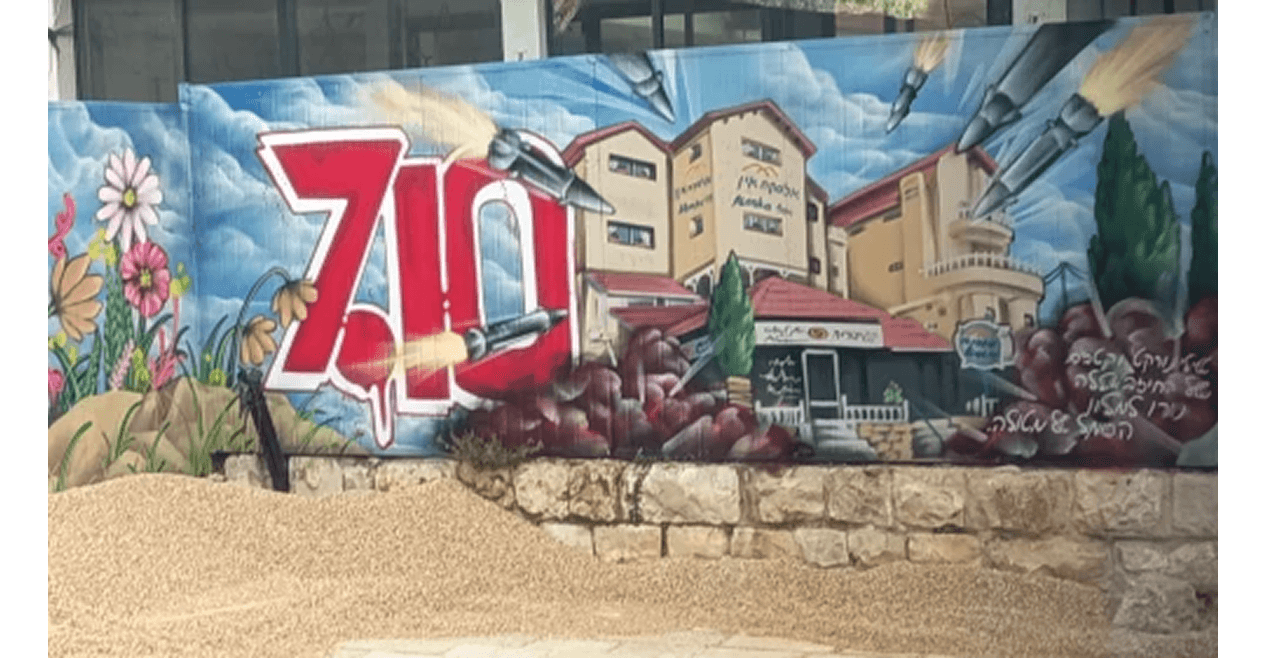
Hospital on Israel’s north border moves underground to escape Hezbollah rockets
Eighteen-year-old S. lies in an underground hospital bed at Galilee Medical Center in Nahariya.
Linda Gradstein
April 9, 2026

World
Israel & Middle East
Bar-Ilan U to create center to study PTSD
Bar-Ilan University plans to create an interdisciplinary research center to study the long-term psychological and biological effects of the…
The Jewish World Team
March 12, 2026
World
U.S. / National
jscreen marks Jewish American Heritage Month
ATLANTA, Ga. – In recognition of Jewish American Heritage Month, the national public health initiative jscreen is celebrating the enduring legacy,…
The Jewish World Team
May 14, 2026
World
Israel & Middle East
Hospital on Israel’s north border moves underground to escape Hezbollah rockets
Eighteen-year-old S. lies in an underground hospital bed at Galilee Medical Center in Nahariya.
Linda Gradstein
April 9, 2026
World
Israel & Middle East
Bar-Ilan U to create center to study PTSD
Bar-Ilan University plans to create an interdisciplinary research center to study the long-term psychological and biological effects of the…
The Jewish World Team
March 12, 2026

World
Israel & Middle East
Israeli survivors are learning to surf their way back to normal life
ZIKIM, Israel—For nearly a year and a half, Michal Reichter stared at the Mediterranean Sea from her first-line beach home in her southern Israeli…
Etgar Lefkovits
February 19, 2026

© 2026 The Jewish World · Since 1965 - The Capital Region's gateway to Jewish life
Designed and Developed by Ta-Da Studios
© 2026 The Jewish World · Since 1965 - The Capital Region's gateway to Jewish life
Designed and Developed by Ta-Da Studios
© 2026 The Jewish World · Since 1965 - The Capital Region's gateway to Jewish life
Designed and Developed by Ta-Da Studios
© 2026 The Jewish World · Since 1965 - The Capital Region's gateway to Jewish life
Designed and Developed by Ta-Da Studios