Tu B’Shevat: ‘New Year for Trees’ is Feb. 2
Tu B’Shevat, the “Jewish New Year for Trees,” gained a new meaning in the early 20th century.
The Jewish World Team
3 mins read
Published by
The Jewish World
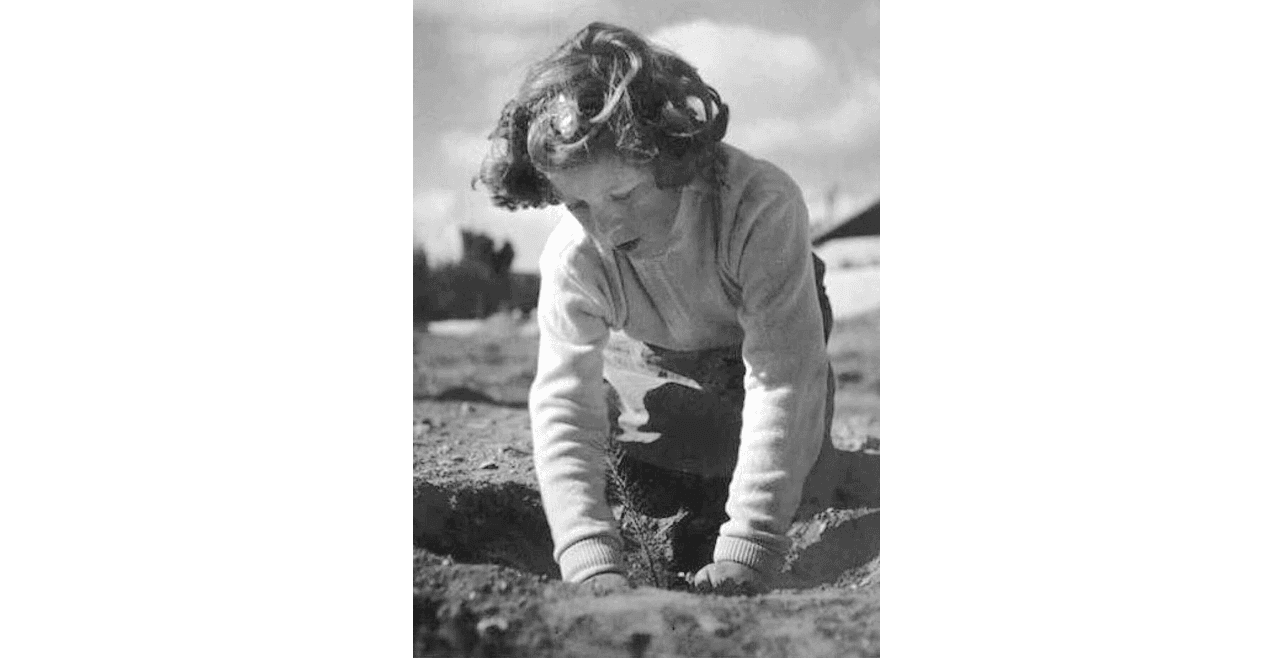
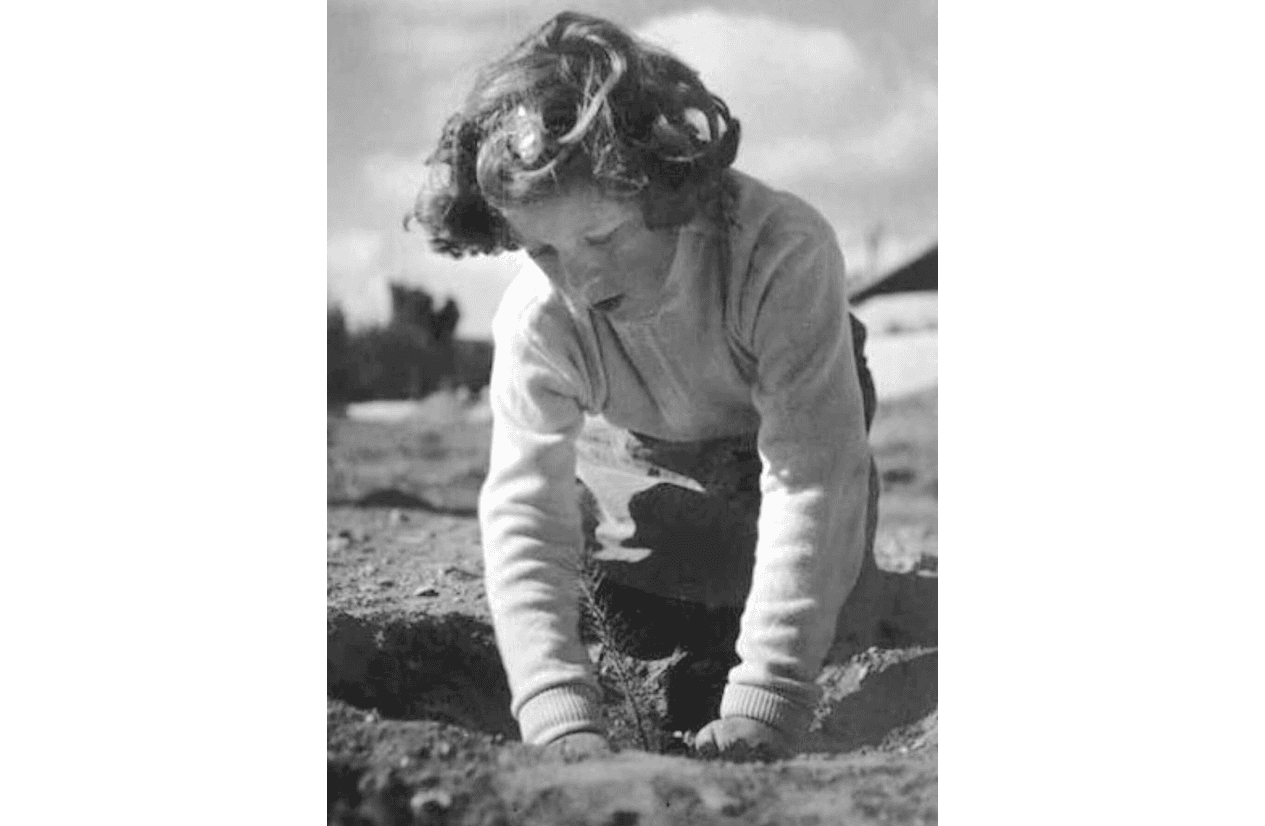
Planting a sapling during Tu B’Shevat in Jerusalem, 1951. Photo courtesy of Werner Braun, KKL-JNF Photo Archive.
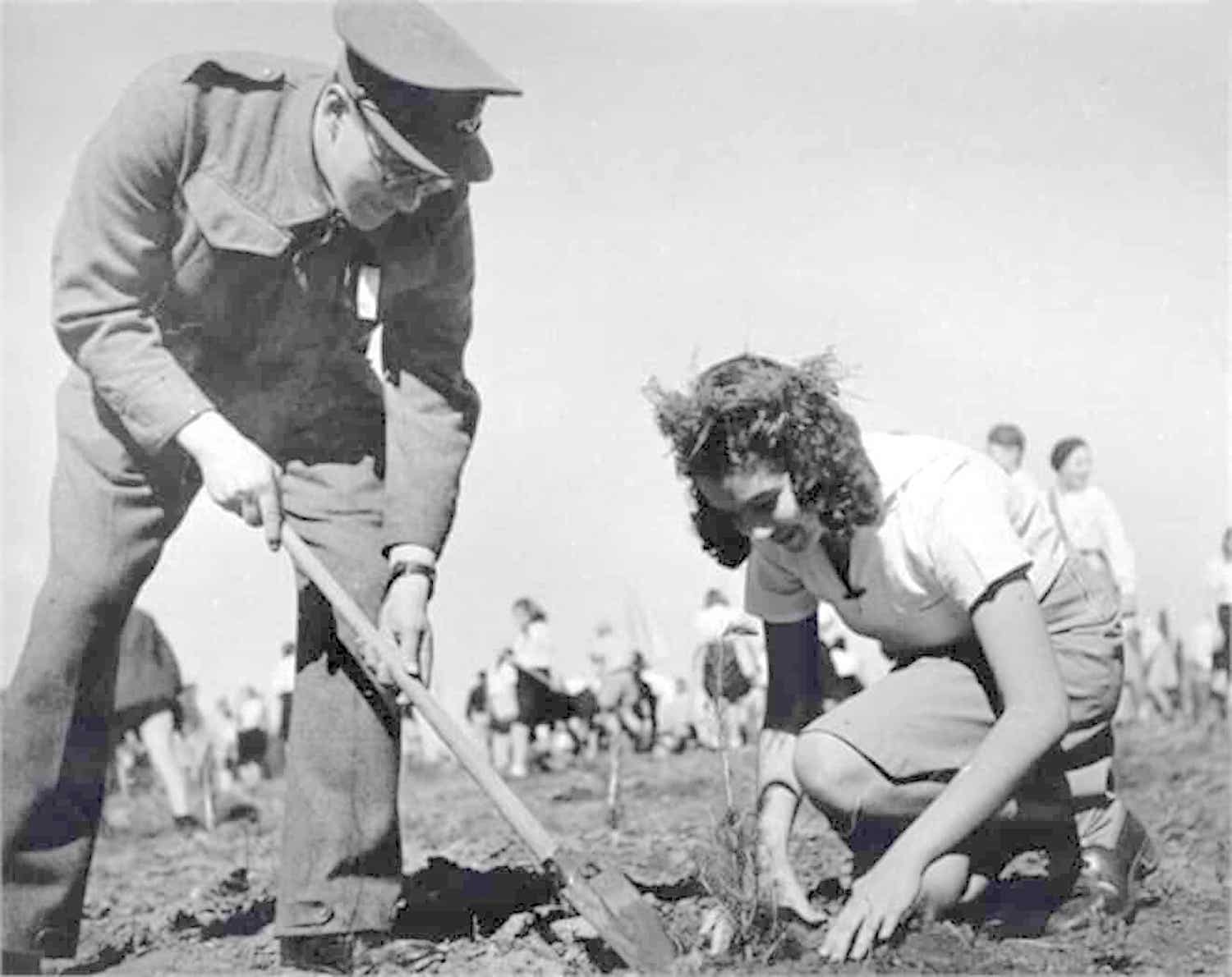
Tu B’Shevat, the “Jewish New Year for Trees,” gained a new meaning in the early 20th century. The tree-planting tradition that was renewed and adopted by the Zionist movement became a symbol of connection to the Land of Israel. Keren Kayemeth LeIsrael-Jewish National Fund (KKL-JNF) played a central role in embedding this late-winter celebration as a tradition in Israel through mass tree plantings, environmental education and the promotion of nature conservation values.
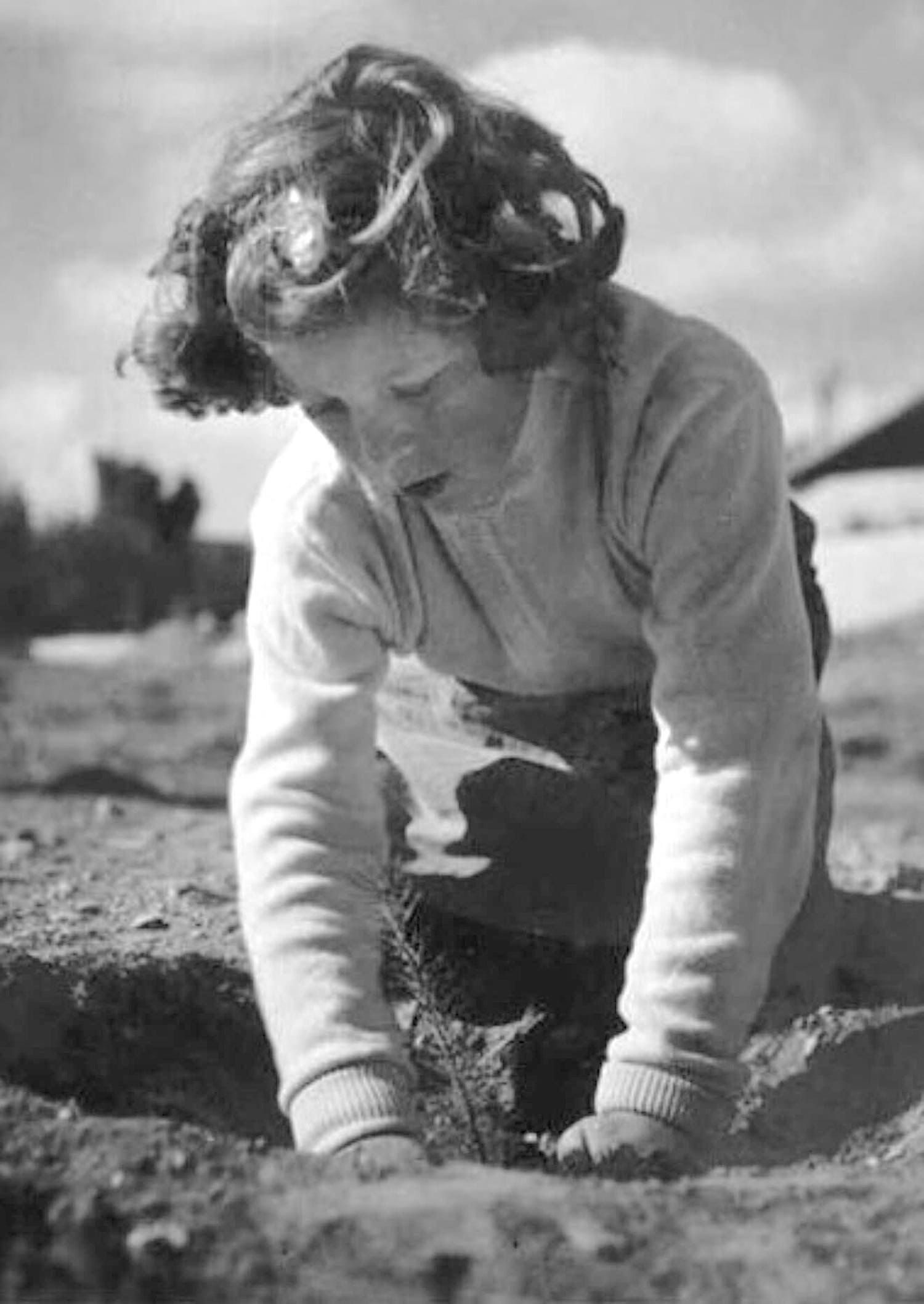
Planting a sapling during Tu B’Shevat in Jerusalem, 1951. Photo courtesy of Werner Braun, KKL-JNF Photo Archive.
This year the holiday is Monday, Feb. 2.
The holiday became a large-scale national event, as students, youth movements, and families ventured out to Israel’s forests and hills to plant trees together. Each person was driven by the belief that each sapling was a building block contributing to the growth of the country.
At the same time, in Jewish communities around the world, Tu B’Shevat developed into an educational and social occasion. Children held ceremonies in schools and synagogues, donated to JNF for trees, and commemorated the deep connection to the Land of Israel.
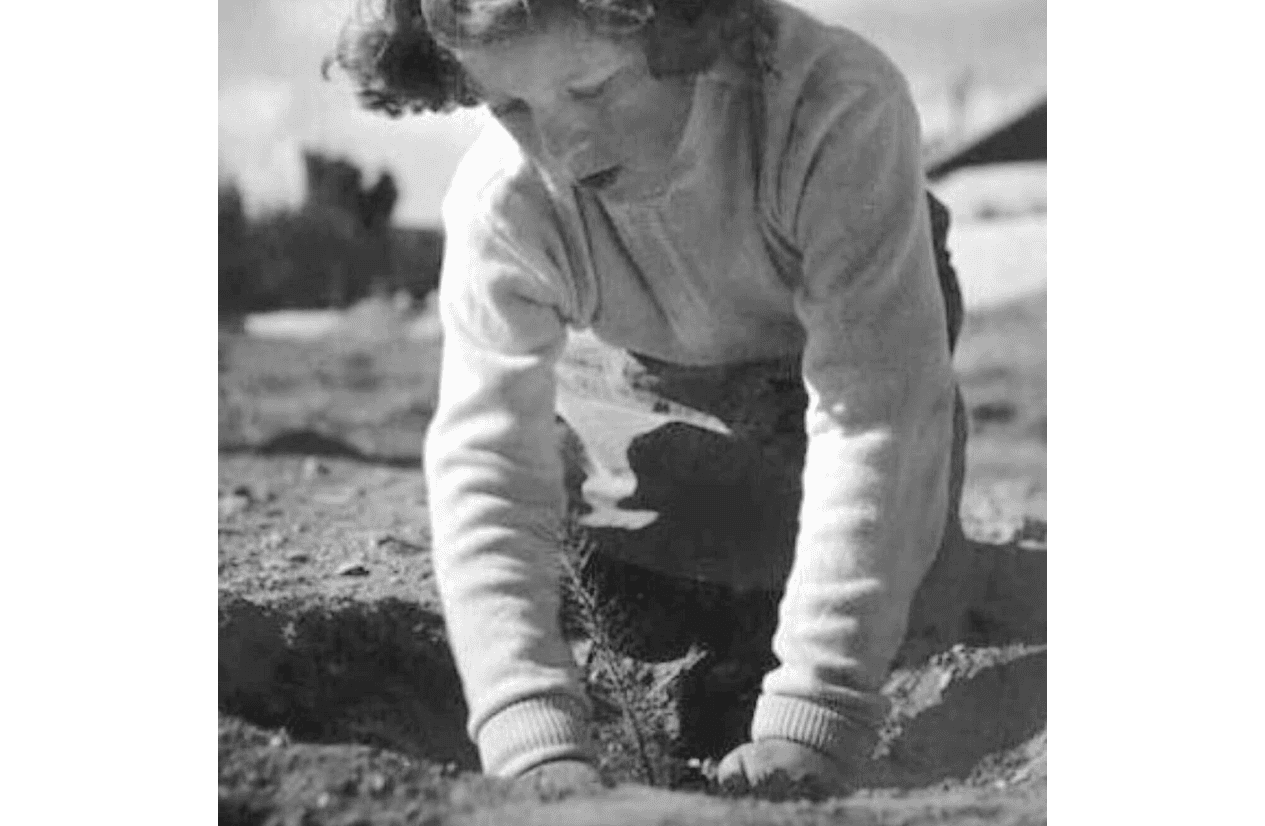
Girl Planting
“The historical photographs from the years 1942 to 1959, document moving moments of tree plantings across the country, ceremonies in the courtyard of the National Institutions building, and community celebrations abroad,” says Efrat Sinai, director of KKL-JNF's archives. “These are vivid testimonies of a tradition that continues to flourish to this day, connecting generations and Jewish communities around the world.” The photographs include images from Tel Aviv in 1942 by photographer Zoltan Kluger, kindergarten celebrations in Jerusalem in 1944, a girl planting in Jerusalem in 1951, and celebrations held in Germany and Sweden in the 1950s.
ADVERTISEMENT
KKL-JNF’s photo archive documents scenes from Israel from the early 20th century until today. In light of the holiday’s importance, Tu B’Shevat celebrations were extensively documented by KKL-JNF photographers throughout the country, in moshavim, cities, kibbutzim, and in Jewish communities in the diaspora.
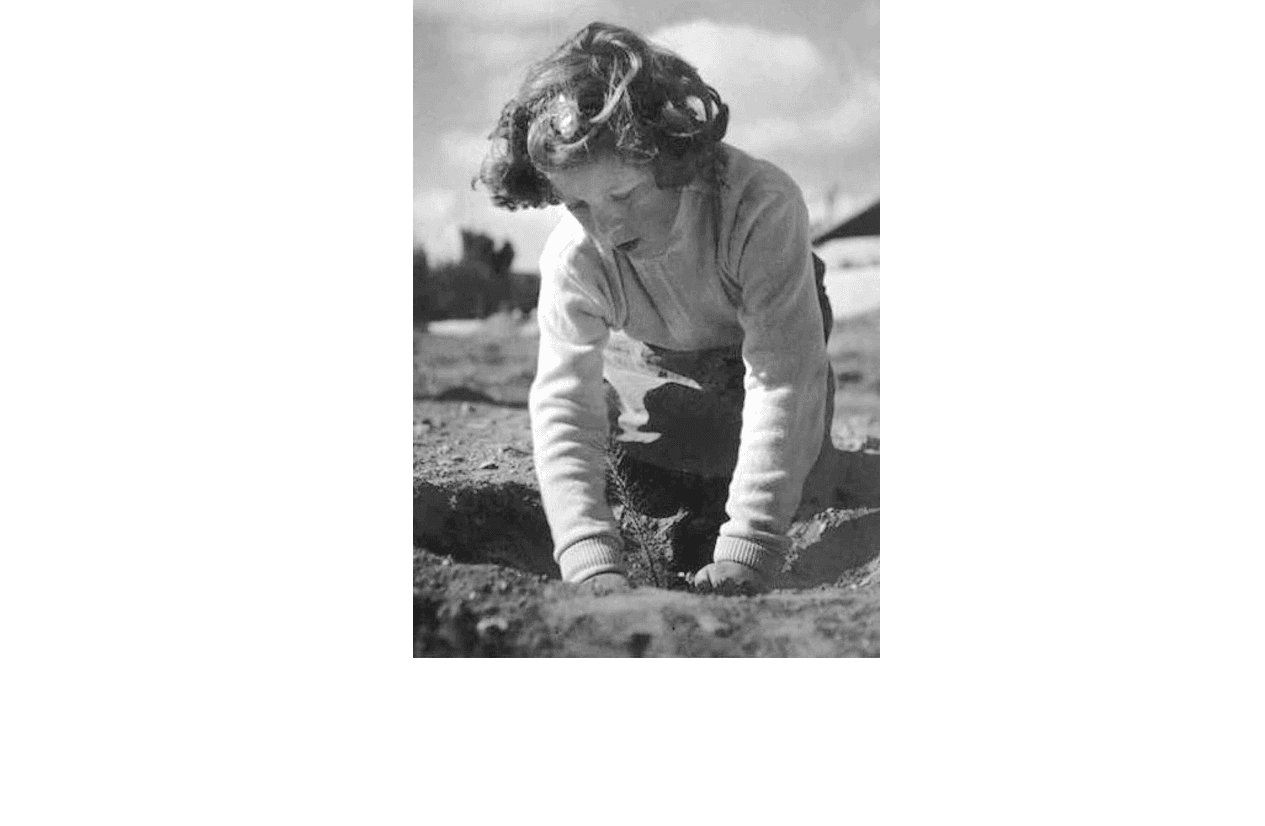
Planting a sapling during Tu B’Shevat in Jerusalem, 1951. Credit: Werner Braun, KKL-JNF Photo Archive.
Girl Planting
The holiday became a large-scale national event, as students, youth movements and families ventured out to Israel’s forests and hills to plant trees together—driven by the belief that each sapling was a building block contributing to the growth of the country.
At the same time, in Jewish communities around the world, Tu B’Shevat developed into an educational and social occasion.
Children held ceremonies in schools and synagogues, donated coins in “Blue Boxes” and commemorated the deep connection to the Land of Israel.
Girl Planting
“The historical photographs from the years 1942 to 1959 document moving moments of tree plantings across the country, ceremonies in the courtyard of the National Institutions building and community celebrations abroad,” says Efrat Sinai, director of KKL-JNF’s archives. “These are vivid testimonies of a tradition that continues to flourish, connecting generations and Jewish communities around the world.”
The photos include images from Tel Aviv in 1942 by photographer Zoltan Kluger, kindergarten celebrations in Jerusalem in 1944, a girl planting in Jerusalem in 1951, and celebrations held in Germany and Sweden in the 1950s.
The archives document scenes in Israel from the early 20th century through today. In light of the holiday’s importance, Tu B’Shevat celebrations were documented by KKL-JNF photographers throughout the country—in cities, moshavim, kibbutzim and Jewish communities in the Diaspora.
ADVERTISEMENT
Tu B’Shevat: ‘New Year for Trees’ is Feb. 2
Tu B’Shevat, the “Jewish New Year for Trees,” gained a new meaning in the early 20th century.
The Jewish World Team
3 mins read
Published by
The Jewish World
Planting a sapling during Tu B’Shevat in Jerusalem, 1951. Photo courtesy of Werner Braun, KKL-JNF Photo Archive.
Tu B’Shevat, the “Jewish New Year for Trees,” gained a new meaning in the early 20th century. The tree-planting tradition that was renewed and adopted by the Zionist movement became a symbol of connection to the Land of Israel. Keren Kayemeth LeIsrael-Jewish National Fund (KKL-JNF) played a central role in embedding this late-winter celebration as a tradition in Israel through mass tree plantings, environmental education and the promotion of nature conservation values.
Planting a sapling during Tu B’Shevat in Jerusalem, 1951. Photo courtesy of Werner Braun, KKL-JNF Photo Archive.
This year the holiday is Monday, Feb. 2.
The holiday became a large-scale national event, as students, youth movements, and families ventured out to Israel’s forests and hills to plant trees together. Each person was driven by the belief that each sapling was a building block contributing to the growth of the country.
At the same time, in Jewish communities around the world, Tu B’Shevat developed into an educational and social occasion. Children held ceremonies in schools and synagogues, donated to JNF for trees, and commemorated the deep connection to the Land of Israel.
Girl Planting
“The historical photographs from the years 1942 to 1959, document moving moments of tree plantings across the country, ceremonies in the courtyard of the National Institutions building, and community celebrations abroad,” says Efrat Sinai, director of KKL-JNF's archives. “These are vivid testimonies of a tradition that continues to flourish to this day, connecting generations and Jewish communities around the world.” The photographs include images from Tel Aviv in 1942 by photographer Zoltan Kluger, kindergarten celebrations in Jerusalem in 1944, a girl planting in Jerusalem in 1951, and celebrations held in Germany and Sweden in the 1950s.
ADVERTISEMENT
KKL-JNF’s photo archive documents scenes from Israel from the early 20th century until today. In light of the holiday’s importance, Tu B’Shevat celebrations were extensively documented by KKL-JNF photographers throughout the country, in moshavim, cities, kibbutzim, and in Jewish communities in the diaspora.
Planting a sapling during Tu B’Shevat in Jerusalem, 1951. Credit: Werner Braun, KKL-JNF Photo Archive.
Girl Planting
The holiday became a large-scale national event, as students, youth movements and families ventured out to Israel’s forests and hills to plant trees together—driven by the belief that each sapling was a building block contributing to the growth of the country.
At the same time, in Jewish communities around the world, Tu B’Shevat developed into an educational and social occasion.
Children held ceremonies in schools and synagogues, donated coins in “Blue Boxes” and commemorated the deep connection to the Land of Israel.
Girl Planting
“The historical photographs from the years 1942 to 1959 document moving moments of tree plantings across the country, ceremonies in the courtyard of the National Institutions building and community celebrations abroad,” says Efrat Sinai, director of KKL-JNF’s archives. “These are vivid testimonies of a tradition that continues to flourish, connecting generations and Jewish communities around the world.”
The photos include images from Tel Aviv in 1942 by photographer Zoltan Kluger, kindergarten celebrations in Jerusalem in 1944, a girl planting in Jerusalem in 1951, and celebrations held in Germany and Sweden in the 1950s.
The archives document scenes in Israel from the early 20th century through today. In light of the holiday’s importance, Tu B’Shevat celebrations were documented by KKL-JNF photographers throughout the country—in cities, moshavim, kibbutzim and Jewish communities in the Diaspora.
ADVERTISEMENT
Tu B’Shevat: ‘New Year for Trees’ is Feb. 2
Tu B’Shevat, the “Jewish New Year for Trees,” gained a new meaning in the early 20th century.
The Jewish World Team
3 mins read
Published by
The Jewish World
Planting a sapling during Tu B’Shevat in Jerusalem, 1951. Photo courtesy of Werner Braun, KKL-JNF Photo Archive.
Tu B’Shevat, the “Jewish New Year for Trees,” gained a new meaning in the early 20th century. The tree-planting tradition that was renewed and adopted by the Zionist movement became a symbol of connection to the Land of Israel. Keren Kayemeth LeIsrael-Jewish National Fund (KKL-JNF) played a central role in embedding this late-winter celebration as a tradition in Israel through mass tree plantings, environmental education and the promotion of nature conservation values.
Planting a sapling during Tu B’Shevat in Jerusalem, 1951. Photo courtesy of Werner Braun, KKL-JNF Photo Archive.
This year the holiday is Monday, Feb. 2.
The holiday became a large-scale national event, as students, youth movements, and families ventured out to Israel’s forests and hills to plant trees together. Each person was driven by the belief that each sapling was a building block contributing to the growth of the country.
At the same time, in Jewish communities around the world, Tu B’Shevat developed into an educational and social occasion. Children held ceremonies in schools and synagogues, donated to JNF for trees, and commemorated the deep connection to the Land of Israel.
Girl Planting
“The historical photographs from the years 1942 to 1959, document moving moments of tree plantings across the country, ceremonies in the courtyard of the National Institutions building, and community celebrations abroad,” says Efrat Sinai, director of KKL-JNF's archives. “These are vivid testimonies of a tradition that continues to flourish to this day, connecting generations and Jewish communities around the world.” The photographs include images from Tel Aviv in 1942 by photographer Zoltan Kluger, kindergarten celebrations in Jerusalem in 1944, a girl planting in Jerusalem in 1951, and celebrations held in Germany and Sweden in the 1950s.
ADVERTISEMENT
KKL-JNF’s photo archive documents scenes from Israel from the early 20th century until today. In light of the holiday’s importance, Tu B’Shevat celebrations were extensively documented by KKL-JNF photographers throughout the country, in moshavim, cities, kibbutzim, and in Jewish communities in the diaspora.
Planting a sapling during Tu B’Shevat in Jerusalem, 1951. Credit: Werner Braun, KKL-JNF Photo Archive.
Girl Planting
The holiday became a large-scale national event, as students, youth movements and families ventured out to Israel’s forests and hills to plant trees together—driven by the belief that each sapling was a building block contributing to the growth of the country.
At the same time, in Jewish communities around the world, Tu B’Shevat developed into an educational and social occasion.
Children held ceremonies in schools and synagogues, donated coins in “Blue Boxes” and commemorated the deep connection to the Land of Israel.
Girl Planting
“The historical photographs from the years 1942 to 1959 document moving moments of tree plantings across the country, ceremonies in the courtyard of the National Institutions building and community celebrations abroad,” says Efrat Sinai, director of KKL-JNF’s archives. “These are vivid testimonies of a tradition that continues to flourish, connecting generations and Jewish communities around the world.”
The photos include images from Tel Aviv in 1942 by photographer Zoltan Kluger, kindergarten celebrations in Jerusalem in 1944, a girl planting in Jerusalem in 1951, and celebrations held in Germany and Sweden in the 1950s.
The archives document scenes in Israel from the early 20th century through today. In light of the holiday’s importance, Tu B’Shevat celebrations were documented by KKL-JNF photographers throughout the country—in cities, moshavim, kibbutzim and Jewish communities in the Diaspora.
ADVERTISEMENT
Tu B’Shevat: ‘New Year for Trees’ is Feb. 2
Tu B’Shevat, the “Jewish New Year for Trees,” gained a new meaning in the early 20th century.
The Jewish World Team
3 mins read
Published by
The Jewish World
Planting a sapling during Tu B’Shevat in Jerusalem, 1951. Photo courtesy of Werner Braun, KKL-JNF Photo Archive.
Tu B’Shevat, the “Jewish New Year for Trees,” gained a new meaning in the early 20th century. The tree-planting tradition that was renewed and adopted by the Zionist movement became a symbol of connection to the Land of Israel. Keren Kayemeth LeIsrael-Jewish National Fund (KKL-JNF) played a central role in embedding this late-winter celebration as a tradition in Israel through mass tree plantings, environmental education and the promotion of nature conservation values.
Planting a sapling during Tu B’Shevat in Jerusalem, 1951. Photo courtesy of Werner Braun, KKL-JNF Photo Archive.
This year the holiday is Monday, Feb. 2.
The holiday became a large-scale national event, as students, youth movements, and families ventured out to Israel’s forests and hills to plant trees together. Each person was driven by the belief that each sapling was a building block contributing to the growth of the country.
At the same time, in Jewish communities around the world, Tu B’Shevat developed into an educational and social occasion. Children held ceremonies in schools and synagogues, donated to JNF for trees, and commemorated the deep connection to the Land of Israel.
Girl Planting
“The historical photographs from the years 1942 to 1959, document moving moments of tree plantings across the country, ceremonies in the courtyard of the National Institutions building, and community celebrations abroad,” says Efrat Sinai, director of KKL-JNF's archives. “These are vivid testimonies of a tradition that continues to flourish to this day, connecting generations and Jewish communities around the world.” The photographs include images from Tel Aviv in 1942 by photographer Zoltan Kluger, kindergarten celebrations in Jerusalem in 1944, a girl planting in Jerusalem in 1951, and celebrations held in Germany and Sweden in the 1950s.
ADVERTISEMENT
KKL-JNF’s photo archive documents scenes from Israel from the early 20th century until today. In light of the holiday’s importance, Tu B’Shevat celebrations were extensively documented by KKL-JNF photographers throughout the country, in moshavim, cities, kibbutzim, and in Jewish communities in the diaspora.
Planting a sapling during Tu B’Shevat in Jerusalem, 1951. Credit: Werner Braun, KKL-JNF Photo Archive.
Girl Planting
The holiday became a large-scale national event, as students, youth movements and families ventured out to Israel’s forests and hills to plant trees together—driven by the belief that each sapling was a building block contributing to the growth of the country.
At the same time, in Jewish communities around the world, Tu B’Shevat developed into an educational and social occasion.
Children held ceremonies in schools and synagogues, donated coins in “Blue Boxes” and commemorated the deep connection to the Land of Israel.
Girl Planting
“The historical photographs from the years 1942 to 1959 document moving moments of tree plantings across the country, ceremonies in the courtyard of the National Institutions building and community celebrations abroad,” says Efrat Sinai, director of KKL-JNF’s archives. “These are vivid testimonies of a tradition that continues to flourish, connecting generations and Jewish communities around the world.”
The photos include images from Tel Aviv in 1942 by photographer Zoltan Kluger, kindergarten celebrations in Jerusalem in 1944, a girl planting in Jerusalem in 1951, and celebrations held in Germany and Sweden in the 1950s.
The archives document scenes in Israel from the early 20th century through today. In light of the holiday’s importance, Tu B’Shevat celebrations were documented by KKL-JNF photographers throughout the country—in cities, moshavim, kibbutzim and Jewish communities in the Diaspora.
ADVERTISEMENT
Related News
Culture
Arts & Entertainment
Diaries of maverick Rabbi Mordecai Kaplan, founder of Reconstructionist Judaism reviewed in new book
Jenna Weissman Joselit was looking for a project that wasn’t so “heavily freighted” after her book on the American “embrace” of the Ten Commandments…
Menachem Wecker
April 30, 2026

Culture
Arts & Entertainment
The Prague Haggadah, ‘created mold from which Haggadot would be illustrated for years to come’
Lewith emigrated to Charleston, S.C., from Europe in the late 19th century, he brought with him a copy of the Prague Haggadah , printed by Gershom…
Menachem Wecker
March 26, 2026

Culture
Arts & Entertainment
Modern Sephardic diaspora to be theme for Skidmore College talk on Feb. 10
Skidmore College has scheduled a public conversation, “Modernity and Jewish Life at the End of the Ottoman Empire: A Conversation,” for Tuesday,…
The Jewish World Team
February 5, 2026
Culture
Arts & Entertainment
Diaries of maverick Rabbi Mordecai Kaplan, founder of Reconstructionist Judaism reviewed in new book
Jenna Weissman Joselit was looking for a project that wasn’t so “heavily freighted” after her book on the American “embrace” of the Ten Commandments…
Menachem Wecker
April 30, 2026
Culture
Arts & Entertainment
The Prague Haggadah, ‘created mold from which Haggadot would be illustrated for years to come’
Lewith emigrated to Charleston, S.C., from Europe in the late 19th century, he brought with him a copy of the Prague Haggadah , printed by Gershom…
Menachem Wecker
March 26, 2026
Culture
Arts & Entertainment
Modern Sephardic diaspora to be theme for Skidmore College talk on Feb. 10
Skidmore College has scheduled a public conversation, “Modernity and Jewish Life at the End of the Ottoman Empire: A Conversation,” for Tuesday,…
The Jewish World Team
February 5, 2026
Culture
Arts & Entertainment
Tu B’Shevat: ‘New Year for Trees’ is Feb. 2
Tu B’Shevat, the “Jewish New Year for Trees,” gained a new meaning in the early 20th century.
The Jewish World Team
January 29, 2026

© 2026 The Jewish World · Since 1965 - The Capital Region's gateway to Jewish life
Designed and Developed by Ta-Da Studios
© 2026 The Jewish World · Since 1965 - The Capital Region's gateway to Jewish life
Designed and Developed by Ta-Da Studios
© 2026 The Jewish World · Since 1965 - The Capital Region's gateway to Jewish life
Designed and Developed by Ta-Da Studios
© 2026 The Jewish World · Since 1965 - The Capital Region's gateway to Jewish life
Designed and Developed by Ta-Da Studios